Prioritizing High-Impact Spaces: The Smart Way to Maximize Interior Design Value

Prioritizing High-Impact Spaces
When planning a home or commercial interior project, many people assume that every room deserves equal attention and budget. However, experienced designers know that the secret to achieving a stunning and functional space lies in prioritizing high-impact spaces. Instead of spreading your budget thin across every corner, focusing on the areas that create the strongest visual and functional impression can significantly improve the overall experience while maximizing your investment.
Whether you’re renovating a home, designing a luxury apartment, or upgrading an office, prioritizing high-impact spaces ensures that your resources are used effectively to create lasting value and aesthetics.
What Are High-Impact Spaces?
High-impact spaces are the areas that people notice first or use most frequently. These spaces often define the overall perception of your property and influence comfort, functionality, and style.
Examples include:
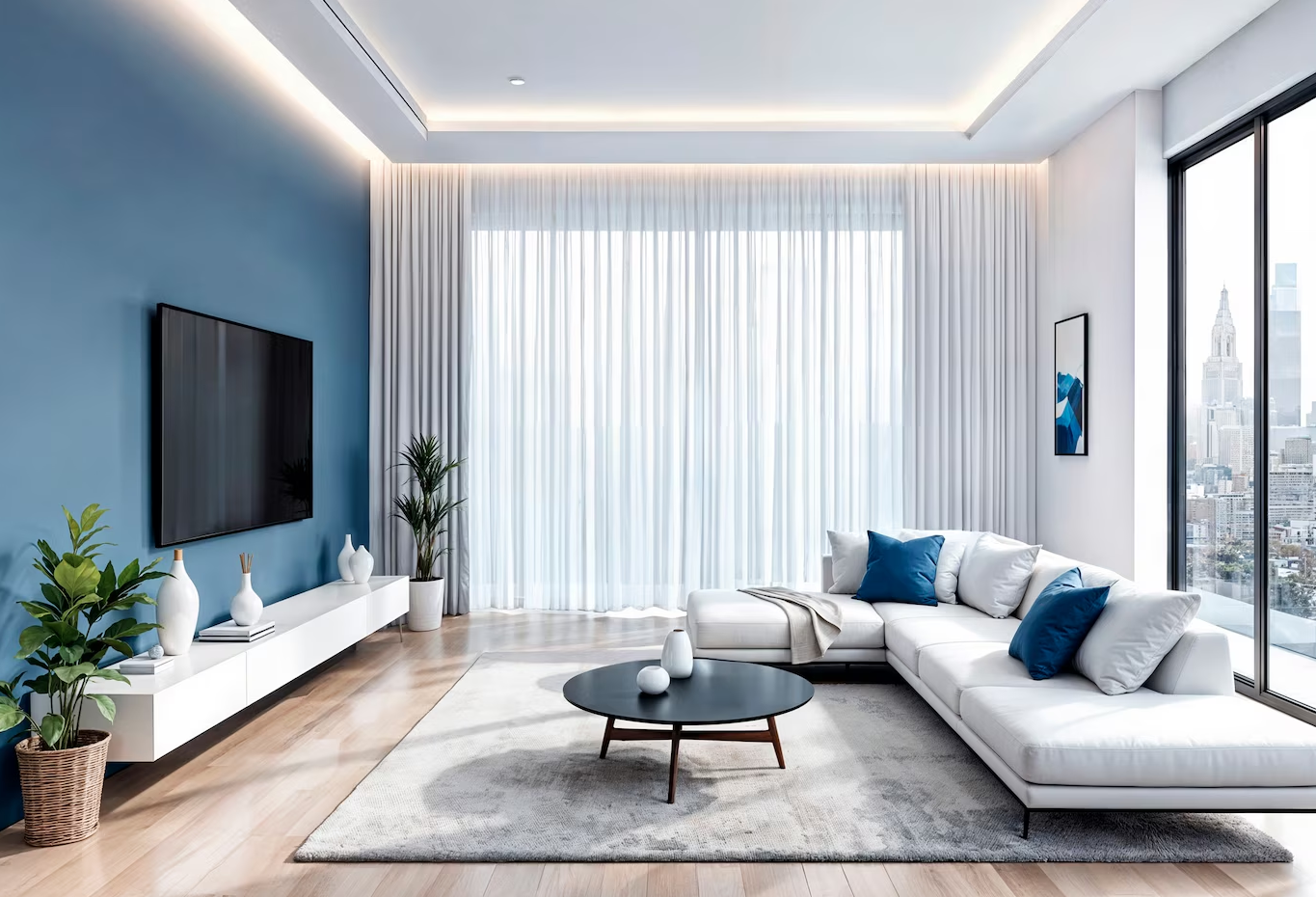
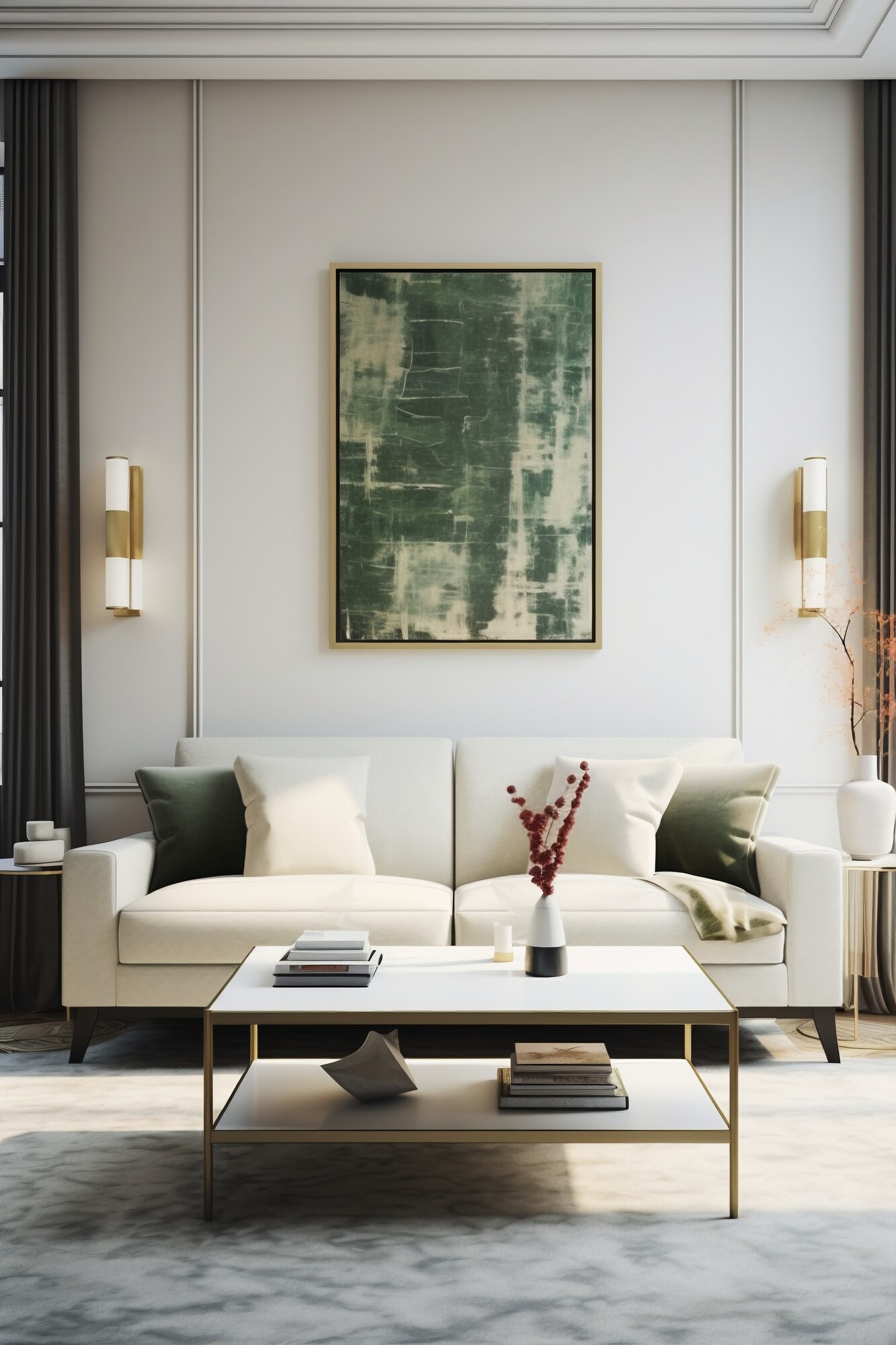
- Living rooms
- Entrance foyers
- Kitchens
- Dining areas
- Master bedrooms
- Reception areas in commercial spaces
- Conference rooms and client-facing spaces
These locations naturally receive more attention than storage rooms, utility areas, or secondary bedrooms.
Why Prioritizing High-Impact Spaces Matters
Interior design budgets are rarely unlimited. Every project has financial constraints, making strategic decision-making essential. Prioritizing high-impact spaces allows homeowners and business owners to invest where it matters most while delaying less critical upgrades for future phases.
Some key benefits include:
1. Creates a Strong First Impression
The entrance, foyer, or reception area sets expectations for the rest of the property. Guests immediately develop an opinion based on these spaces, making them ideal candidates for premium finishes and thoughtful design.
A beautifully designed entrance can elevate the perceived value of the entire property.
2. Maximizes Daily Comfort
The living room, kitchen, and master bedroom are used every day. Investing in these areas improves daily living quality and enhances functionality for years to come.
High-quality lighting, furniture, flooring, and storage solutions deliver long-term benefits that justify the investment.
3. Increases Property Value
Potential buyers often make purchasing decisions based on kitchens, living spaces, and bathrooms. Well-designed focal areas can improve resale value and market appeal.
Rather than renovating every room equally, concentrating on key spaces often delivers a better return on investment.
How to Identify High-Impact Spaces
Every property is unique, but several factors can help determine where to allocate your design budget.
Frequency of Use
Spaces that are occupied daily deserve greater attention than rooms used occasionally.
For example:
- Kitchen: Daily use
- Living room: Daily family gathering
- Guest bedroom: Occasional use
- Storage room: Rare use
Naturally, the first two should receive higher priority.
Visibility
Rooms visible immediately upon entering the home create the strongest impression.
Open-plan layouts often make the living room, dining room, and kitchen visually connected, making cohesive design especially important.
Functionality
Some spaces directly affect lifestyle efficiency.
Well-designed kitchens improve cooking experiences, while organized home offices increase productivity and comfort.
Budget Allocation Strategies
One of the smartest ways of prioritizing high-impact spaces is through strategic budget allocation.
Consider dividing your budget into categories:
- 40% for primary living spaces
- 25% for kitchen and dining
- 15% for bedrooms
- 10% for bathrooms
- 10% for decorative elements and accessories
This allocation ensures that the most visible and frequently used areas receive premium attention without overspending.
Design Elements That Make the Biggest Difference
When focusing on high-impact spaces, certain design elements create immediate visual appeal.
Statement Lighting
Pendant lights, chandeliers, and architectural lighting instantly transform interiors and create focal points.
Premium Flooring
Flooring occupies a large visual area and significantly influences the overall feel of a room.
Materials like vitrified tiles, engineered wood, or natural stone provide both durability and elegance.
Feature Walls
Accent walls using textures, wood panels, marble finishes, or decorative paints create visual interest without requiring major renovations.
Quality Furniture
Investing in one premium sofa or dining table often creates a stronger impression than filling multiple rooms with lower-quality furniture.
Storage Solutions
Beautiful interiors should also be practical. Built-in storage keeps spaces organized while maintaining a clean and luxurious appearance.
Common Mistakes to Avoid
Many homeowners make costly mistakes by distributing their budget evenly across every room.
Some common errors include:
- Spending equally on rarely used spaces
- Ignoring lighting quality
- Choosing low-quality materials for high-traffic areas
- Overspending on decorative accessories before completing functional upgrades
- Neglecting entrance areas that create first impressions
Avoiding these mistakes helps maximize both aesthetics and long-term satisfaction.
High-Impact Spaces in Commercial Interiors
The concept extends beyond residential projects.
For offices, hotels, retail stores, and healthcare facilities, high-impact spaces include:
- Reception areas
- Waiting lounges
- Meeting rooms
- Customer interaction zones
- Executive offices
These areas influence customer perception, employee satisfaction, and brand image. Investing in premium finishes and thoughtful layouts in these spaces often provides measurable business benefits.
Long-Term Planning
Another advantage of prioritizing high-impact spaces is the ability to complete projects in phases.
Instead of delaying the entire renovation until sufficient funds become available, homeowners can first complete:
- Living room
- Kitchen
- Dining area
- Master bedroom
- Remaining rooms later
This phased approach allows immediate enjoyment of improved spaces while spreading expenses over time.
Conclusion
Prioritizing high-impact spaces is one of the most effective strategies for achieving beautiful interiors while staying within budget. By identifying the rooms that receive the most attention and daily use, homeowners and businesses can allocate resources more intelligently and create interiors that feel luxurious, functional, and timeless.
Rather than trying to transform every room simultaneously, focusing on the spaces that deliver the greatest visual and practical impact ensures better design outcomes, stronger property value, and greater long-term satisfaction. Whether you’re building a new home or renovating an existing one, prioritizing high-impact spaces is a smart investment that pays dividends in style, comfort, and functionality.