Why False Ceilings Are Popular in Modern Interiors
Modern interiors are all about creating spaces that look elegant while remaining practical, comfortable, and personalised. Among the many design elements used to achieve this balance, false ceilings have become increasingly popular. They can transform an ordinary room into a sophisticated and visually appealing space while also providing functional benefits such as better lighting, concealed wiring, and improved proportions.
A well-designed false ceiling is more than just a decorative feature. It can help define different areas within a home, enhance the impact of lighting, conceal structural elements, and create a refined finish. With the right planning and material selection, an Interior designer can integrate a false ceiling seamlessly with the overall design theme of a home.
What Is a False Ceiling?
A false ceiling, also known as a suspended or dropped ceiling, is an additional ceiling installed below the original structural ceiling. It is usually made using materials such as gypsum boards, plasterboard, metal frames, or other ceiling systems.
False ceilings can be designed in different shapes, levels, patterns, and finishes depending on the room and the desired aesthetic. From simple single-level ceilings to layered designs with concealed lighting, there are numerous possibilities for modern homes.
The design does not have to be elaborate. In fact, minimalist false ceilings with clean lines and subtle lighting are increasingly preferred in contemporary interiors. The objective is to create a ceiling that complements the room instead of overpowering it.
Enhances the Overall Look of the Room
One of the main reasons false ceilings are popular is their ability to improve the visual appearance of a space. A plain ceiling can sometimes make a room feel incomplete, whereas a carefully designed ceiling adds depth and character.
An Interior designer can create ceiling designs that complement furniture, wall colours, flooring, curtains, and other elements. For example, a simple rectangular false ceiling can work well in a minimalist living room, while layered designs can add a more luxurious appearance to larger spaces.
The ceiling can also become an important part of the room’s visual composition. When its design is coordinated with other interior elements, the entire space can feel more balanced and cohesive.
Creates Better Lighting Options
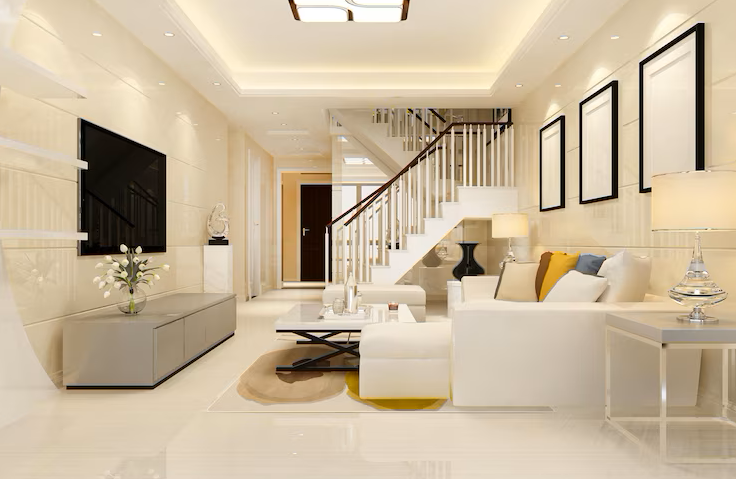
Lighting is an important part of modern interior design, and false ceilings provide greater flexibility for integrating different lighting solutions. Recessed lights, spotlights, LED strips, and cove lighting can be incorporated into the ceiling design.
Cove lighting can create a soft and indirect glow, making living rooms and bedrooms feel warm and relaxing. Recessed lights can provide focused illumination without making the ceiling look crowded.
Instead of depending entirely on one central light fixture, homeowners can use multiple layers of lighting for different purposes. An Interior designer can plan the placement of these lights according to the function and size of each room.
Conceals Wires and Services
Modern homes often require electrical wiring, air-conditioning connections, internet cables, and other services. Leaving these elements exposed can affect the appearance of a room.
False ceilings provide a practical way to conceal many of these services while maintaining a clean finish. This is particularly useful in contemporary interiors where homeowners prefer uncluttered surfaces.
By planning the ceiling and services together, an Interior designer can ensure that necessary wiring and fixtures are integrated without compromising the visual appeal of the room.
Helps Define Different Areas
Open-plan homes are becoming increasingly common, particularly in apartments. In such layouts, the living room, dining area, and kitchen may share one large space.
A false ceiling can help visually distinguish these areas without requiring physical partitions. For example, a different ceiling treatment above the dining table can subtly define the dining zone, while a separate lighting arrangement can highlight the living area.
This approach maintains the openness of the space while giving each section its own identity.
Adds Depth and Dimension
A completely flat ceiling may sometimes make a room appear visually plain. Different ceiling levels can introduce depth and dimension.
Layered false ceilings, recessed sections, geometric details, and cove lighting can create visual interest. However, the design should be proportionate to the room. An overly complicated ceiling in a small space can make it feel crowded.
This is where professional planning becomes important. An Interior designer can consider ceiling height, room dimensions, furniture placement, and lighting requirements before finalising the design.
Works Well With Different Interior Styles
Another advantage of false ceilings is their versatility. They can be adapted to different interior styles, including modern, contemporary, minimalist, classic, and luxury designs.
For a minimalist home, a simple ceiling with recessed lighting may be sufficient. A contemporary living room may benefit from geometric forms and concealed LED lighting. In a more luxurious interior, layered ceiling elements can be combined with decorative lighting to create a statement feature.
The key is to make the ceiling part of the overall design rather than treating it as an isolated element.
Can Improve the Perception of Space
The right ceiling design can influence how a room is perceived. Strategic lighting and ceiling details can make certain areas feel more spacious or visually structured.
For example, recessed lighting around the edges of a ceiling can create a sense of depth, while a simple design with fewer visual interruptions can work well in compact rooms.
An experienced Interior designer considers these visual effects while developing the ceiling layout, ensuring that the design suits the actual dimensions of the room.
False Ceilings in Bedrooms
Bedrooms require a different approach because the atmosphere should generally feel calm and relaxing. Instead of using excessive decorative elements, homeowners can choose a simple false ceiling combined with warm cove lighting or subtle recessed lights.
The ceiling can also be coordinated with the bed backdrop, wardrobes, bedside lighting, and other bedroom elements. A personalised ceiling design can make the bedroom feel more cohesive and comfortable.
For homeowners creating a personalised bedroom, working with an Interior designer can help ensure that lighting, colours, furniture, storage, and ceiling details work together.
False Ceilings in Living Rooms
The living room is often the focal point of a home, making it an ideal space for a thoughtfully designed false ceiling. A combination of ambient lighting, accent lighting, and a clean ceiling profile can create a welcoming atmosphere.
The ceiling can also be used to highlight specific features such as a television wall, sofa area, artwork, or dining space. Instead of using decorative elements everywhere, a well-planned ceiling can direct attention toward important parts of the room.
Choosing the Right False Ceiling Design
While false ceilings offer many possibilities, the design should be selected based on practical requirements as well as appearance. Ceiling height, room size, maintenance, lighting requirements, ventilation, and overall interior style should all be considered.
A professional Interior designer can assess these factors before recommending a suitable design. This helps homeowners avoid choosing a ceiling simply because it looks attractive in another space.
The goal should be to create a ceiling that remains visually appealing while supporting the everyday functionality of the room.
Why Professional Interior Planning Matters
False ceilings may appear simple, but successful execution requires coordination between design, electrical work, lighting, furniture placement, and other interior elements. Poor planning can result in unnecessary ceiling height reduction, inconvenient light placement, or a design that does not suit the room.
An Interior designer can bring these elements together during the planning stage. From selecting the ceiling style to coordinating lighting and ensuring that it complements the rest of the interior, professional guidance can make the process more organised.
Conclusion
False ceilings have become a popular feature in modern interiors because they combine aesthetics with functionality. They can enhance the appearance of a room, provide flexible lighting options, conceal services, define spaces, and introduce depth to otherwise plain ceilings.