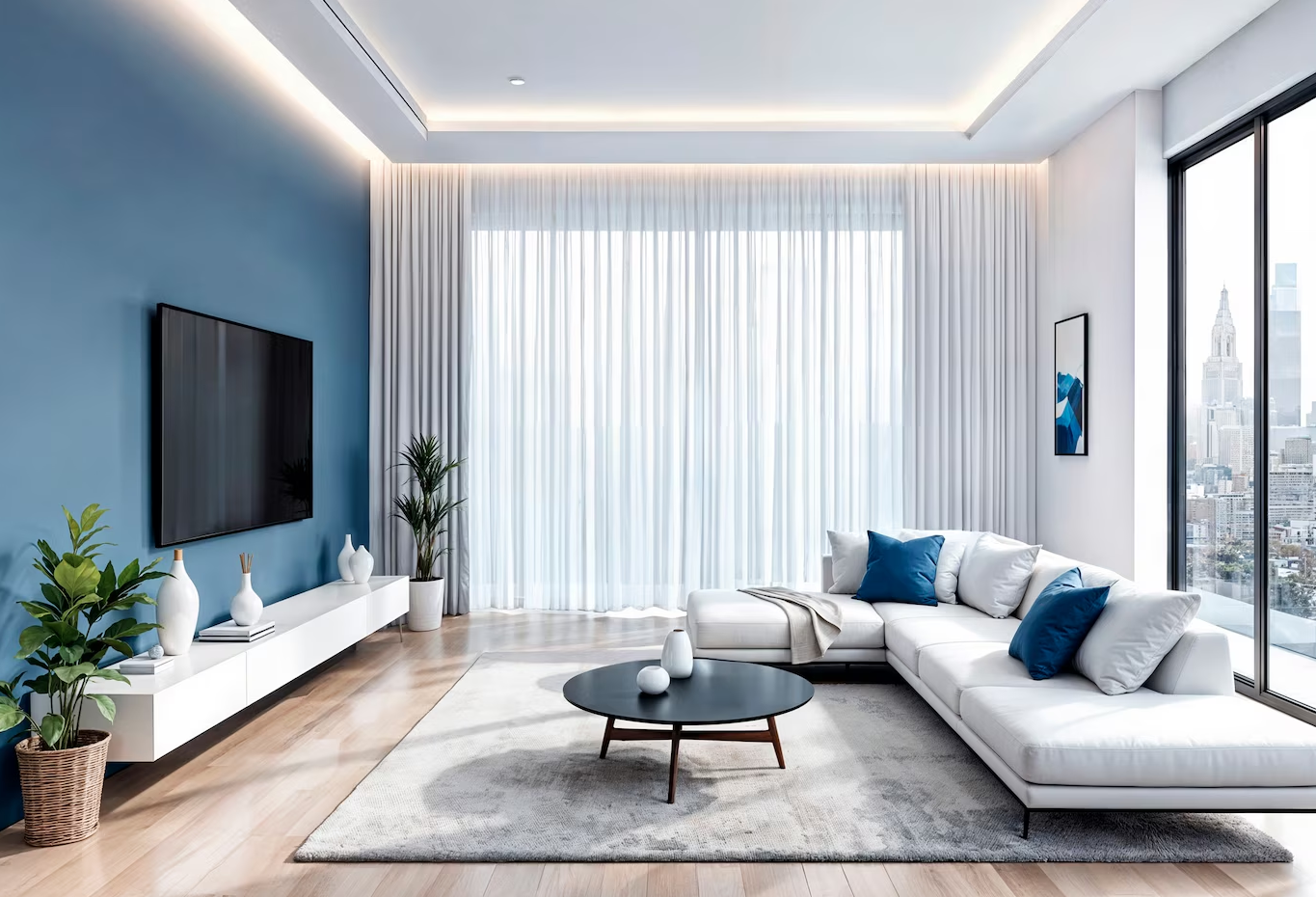
Material selection for humid climate
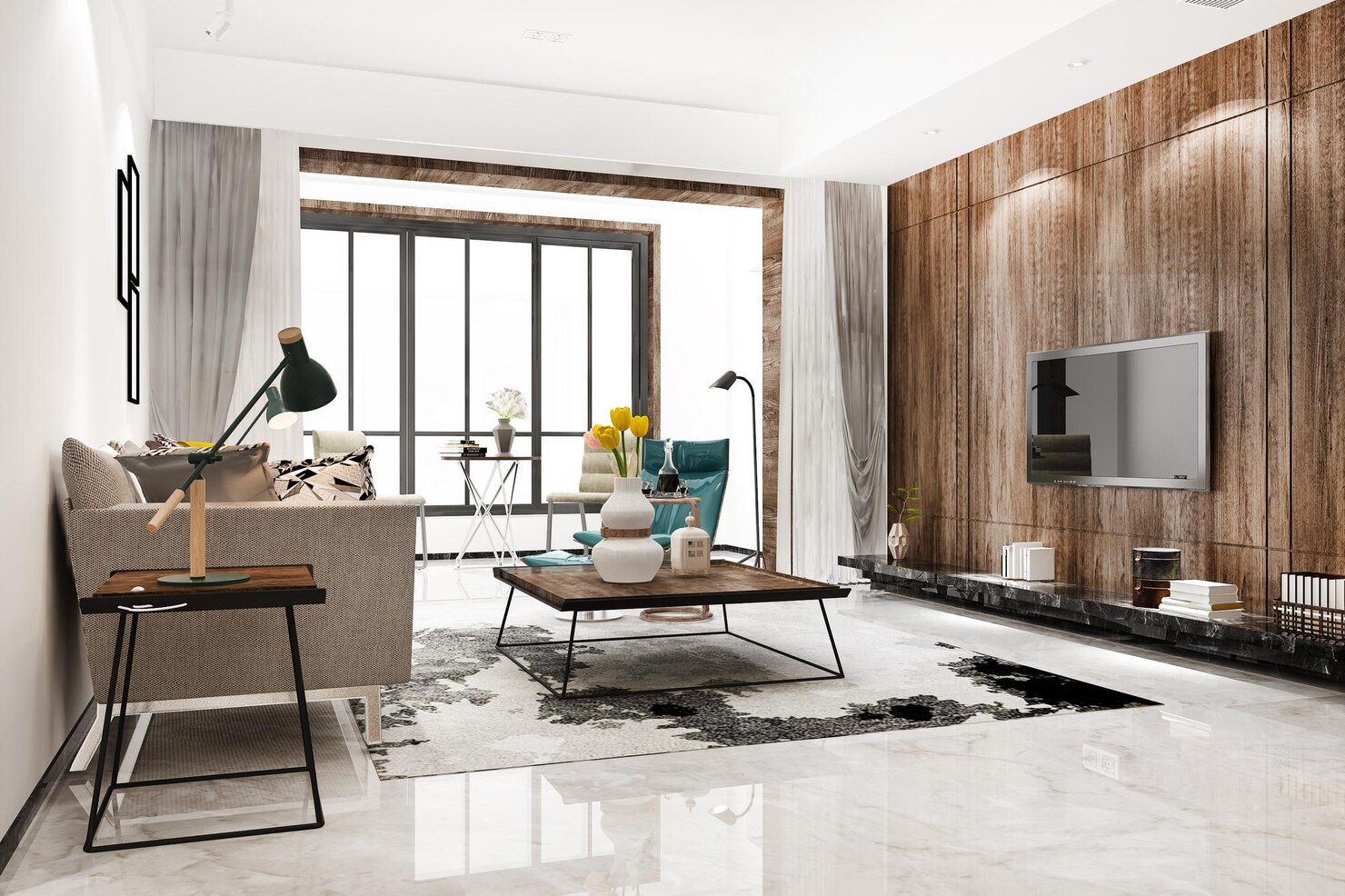
Material Selection for Humid Climate
Choosing the right building materials is one of the most important decisions in construction, especially in regions with high humidity. Material selection for humid climate plays a crucial role in ensuring the longevity, safety, and performance of residential, commercial, and industrial structures. Excess moisture in the atmosphere can lead to mold growth, corrosion, swelling, structural damage, and reduced lifespan of building components if unsuitable materials are used.
Whether constructing a home near coastal areas or designing a commercial building in tropical regions, selecting moisture-resistant materials helps reduce maintenance costs while improving indoor comfort and structural integrity. This guide explains why Material selection for humid climate matters and highlights the best materials and practices for successful construction.
Why Material Selection Matters in Humid Climates
Humid climates experience high moisture levels throughout the year, making buildings more vulnerable to water absorption and condensation. Continuous exposure to humidity can weaken construction materials and encourage fungal growth, termites, and corrosion.
Proper Material selection for humid climate helps builders achieve:
- Improved structural durability
- Better moisture resistance
- Reduced maintenance costs
- Enhanced indoor air quality
- Increased energy efficiency
- Longer building lifespan
Using moisture-resistant materials also minimizes repair expenses and protects property value over time.
Challenges of Building in Humid Regions
Before choosing materials, it is important to understand the common challenges associated with humid environments.
Moisture Absorption
Porous materials absorb water from the air, leading to expansion, cracks, and deterioration.
Mold and Mildew Growth
Humidity creates ideal conditions for mold formation, affecting both building interiors and occupant health.
Corrosion
Metal components can rust quickly in humid conditions, reducing their structural strength.
Termite and Pest Damage
Wooden materials exposed to moisture become attractive to termites and insects.
Reduced Thermal Efficiency
Wet insulation materials lose their effectiveness, increasing cooling costs.
These challenges highlight why Material selection for humid climate should always be a priority during design and construction.
Best Materials for Humid Climate Construction
1. Vitrified Tiles
Vitrified tiles are among the best flooring materials for humid regions because they have extremely low water absorption rates. Their dense composition prevents moisture penetration, making them ideal for kitchens, bathrooms, balconies, and living spaces.
Benefits include:
- Water resistance
- Easy maintenance
- Stain resistance
- Long lifespan
- Mold prevention
High-quality vitrified tiles maintain their appearance even after years of exposure to moisture.
2. Quartz-Based Building Materials
Quartz is widely used in engineered stone and vitrified tile manufacturing due to its hardness and low porosity. Quartz-rich products resist moisture penetration while providing excellent durability.
Quartz contributes to:
- Scratch resistance
- Low water absorption
- Dimensional stability
- Superior strength
- Long-lasting finishes
Its performance makes it an excellent choice for humid environments.
3. Ceramic and Porcelain Tiles
Ceramic and porcelain tiles are excellent alternatives for wet areas because they resist moisture and are easy to clean. Their glazed surfaces prevent water absorption and inhibit mold growth.
These tiles are commonly used for:
- Bathrooms
- Kitchens
- Swimming pool areas
- Outdoor patios
- Commercial flooring
4. Fiber Cement Boards
Fiber cement boards combine cement with reinforcing fibers, creating a highly durable material resistant to moisture, termites, and fungal attack.
Applications include:
- Exterior wall cladding
- False ceilings
- Partition walls
- Exterior facades
Their stability makes them ideal for tropical climates.
5. Moisture-Resistant Concrete
Modern concrete mixes include waterproofing additives that reduce permeability and improve durability.
Benefits include:
- Crack resistance
- Reduced water penetration
- Improved structural strength
- Longer service life
Proper curing further enhances moisture resistance.
Best Wood Options for Humid Climates
Wood remains a popular construction material but requires careful selection in humid environments.
Suitable choices include:
- Teak wood
- Cedar wood
- Pressure-treated timber
- Engineered wood with moisture-resistant coatings
These options offer greater resistance against swelling, termites, and decay compared to untreated wood.
Corrosion-Resistant Metals
Humidity accelerates rust formation on metal surfaces. Therefore, corrosion-resistant metals should be selected for structural and decorative applications.
Recommended options include:
- Stainless steel
- Galvanized steel
- Aluminum
- Powder-coated metal finishes
These materials provide excellent durability with minimal maintenance.
Importance of Waterproof Coatings
Even the best materials benefit from additional protective coatings.
Waterproof coatings help:
- Prevent seepage
- Reduce mold growth
- Improve surface durability
- Protect against UV exposure
- Extend building life
Exterior walls, roofs, and terraces especially benefit from quality waterproofing systems.
Ventilation and Material Performance
Good ventilation complements Material selection for humid climate by reducing indoor moisture accumulation.
Proper ventilation helps:
- Control condensation
- Improve indoor air quality
- Prevent mold formation
- Extend material lifespan
- Increase occupant comfort
Natural airflow combined with moisture-resistant materials creates healthier buildings.
Sustainable Material Selection
Sustainable construction emphasizes environmentally responsible materials that also perform well in humid conditions.
Examples include:
- Recycled ceramic products
- Fly ash concrete
- Engineered quartz surfaces
- Bamboo composites with protective treatments
- Energy-efficient insulated panels
These materials reduce environmental impact while offering excellent durability.
Maintenance Tips for Humid Climate Buildings
Even with excellent Material selection for humid climate, regular maintenance is essential.
Best practices include:
- Inspect waterproofing annually
- Repair cracks immediately
- Maintain roof drainage systems
- Keep ventilation systems clean
- Seal grout joints periodically
- Remove mold at early stages
- Check wooden structures for termite activity
Preventive maintenance significantly extends building lifespan.
Conclusion
Successful construction in tropical and coastal regions depends heavily on Material selection for humid climate. Moisture-resistant materials such as vitrified tiles, quartz-based products, fiber cement boards, corrosion-resistant metals, and waterproof concrete provide long-term durability while minimizing maintenance costs.
By combining smart material choices with proper ventilation and waterproofing techniques, builders can create structures that remain attractive, safe, and efficient despite challenging environmental conditions. Investing in the right materials today ensures stronger, healthier, and longer-lasting buildings for years to come.