False ceiling and wall design ideas

False Ceiling and Wall Design Ideas for Stylish Modern Interiors
Modern interiors are no longer defined only by furniture, flooring, and colour schemes. Ceilings and walls have become important design elements that can completely transform the look and feel of a space. Well-planned False ceiling and wall design ideas can add depth, character, lighting effects, and visual balance to homes, offices, hotels, and commercial spaces.
A professionally planned ceiling and wall design can make a compact room appear more spacious, create a luxurious atmosphere, or introduce a contemporary personality to an otherwise simple interior. Working with an experienced Interior designer can help homeowners select designs that complement the architecture, room dimensions, lighting requirements, and overall lifestyle.
Understanding False Ceilings and Wall Designs
A false ceiling is a secondary ceiling installed below the original structural ceiling. It can be created using materials such as gypsum board, POP, wood, metal, or other specialised panels. Apart from improving aesthetics, a false ceiling can help conceal electrical wiring, lighting fixtures, ducts, and other services.
Wall design, meanwhile, involves using colours, textures, panels, mouldings, wallpapers, stone, wood finishes, or decorative elements to create an attractive focal point. When the ceiling and walls are designed together, they can establish a cohesive visual language throughout the room.
An Interior designer considers these elements as part of the overall interior rather than treating them as separate features.
Minimalist False Ceiling Designs
Minimalist ceilings are ideal for homeowners who prefer clean and uncluttered interiors. A simple gypsum ceiling with recessed lights can create a sophisticated appearance without making the room feel visually heavy.
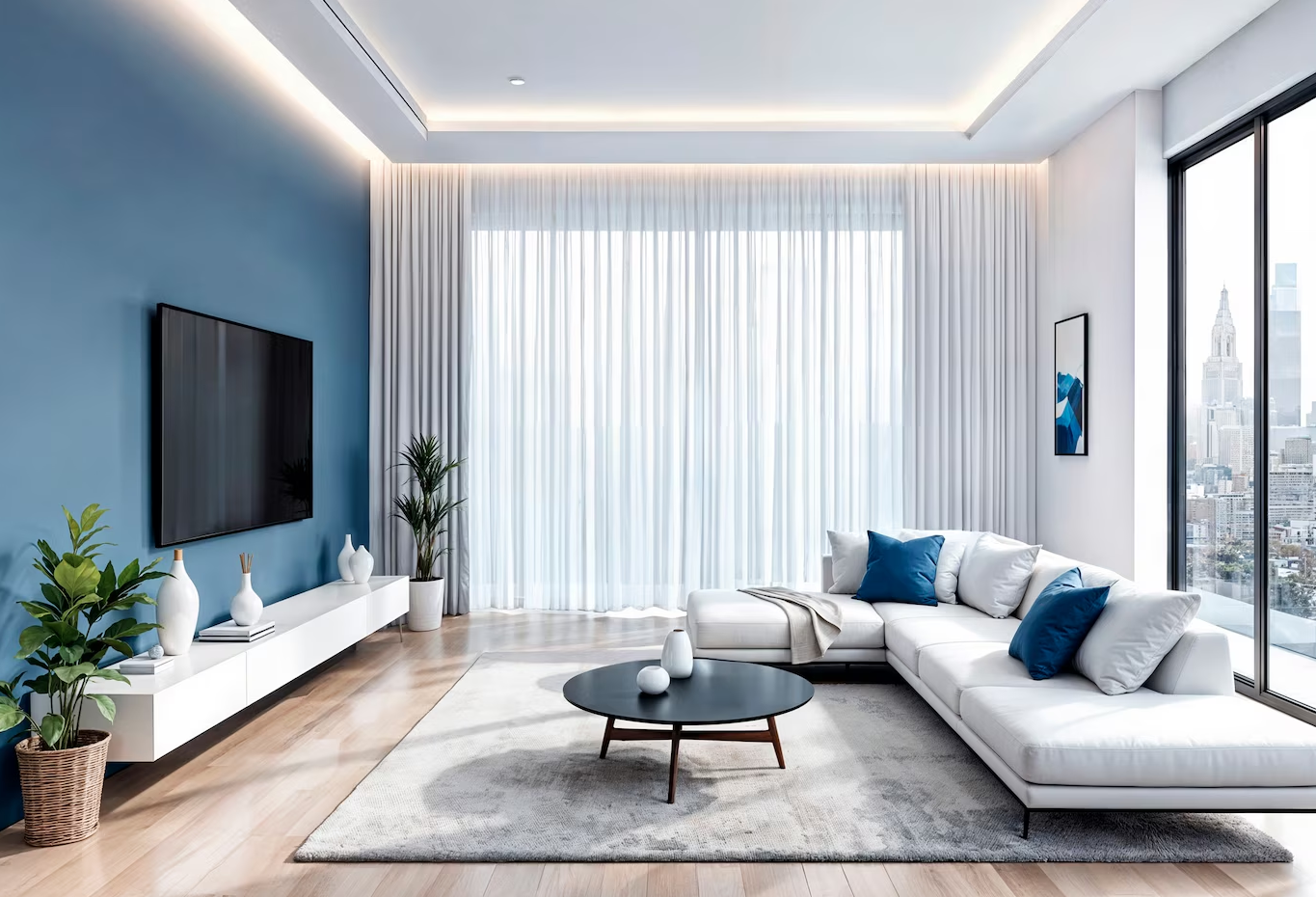
One popular approach is a plain false ceiling with a narrow perimeter recess. LED strip lighting can be placed within the recess to create a soft indirect glow. This design works particularly well in living rooms, bedrooms, and modern apartments.
Another option is a simple geometric ceiling featuring rectangular or square sections. These patterns can introduce subtle visual interest while maintaining a contemporary aesthetic.
Cove Lighting for a Warm Ambience
Cove lighting is one of the most effective ways to enhance a false ceiling. Instead of exposing the light source directly, LED lights are concealed within recessed sections of the ceiling, allowing light to reflect softly onto the surrounding surfaces.
This creates a warm and relaxing atmosphere, particularly in bedrooms and living rooms. An Interior designer can position cove lighting strategically according to the room’s size, furniture arrangement, and natural light levels.
Combining cove lighting with spotlights or pendant fixtures can provide both ambient and functional illumination.
Wooden False Ceiling Ideas
Wooden ceiling elements can bring warmth and natural character into an interior. Full wooden ceilings may work well in large spaces, while wooden beams, slats, or accent panels can be used in smaller rooms.
Wood-look finishes can also provide a similar appearance while offering greater flexibility in terms of maintenance and installation. Wooden ceiling details are particularly suitable for living rooms, dining areas, home offices, and luxury bedrooms.
The colour and grain of the wood should complement the furniture, flooring, and wall finishes to maintain a balanced appearance.
Geometric and Layered Ceilings
For homeowners who want a more distinctive interior, geometric false ceilings can create a strong visual statement. Circular, rectangular, linear, or asymmetrical patterns can be incorporated depending on the architectural style of the room.
Layered ceilings can also introduce different levels and depths. When combined with concealed lighting, these layers create shadows and highlights that add dimension to the space.
However, complicated designs should be selected carefully. An experienced Interior designer can determine whether a particular pattern is appropriate for the room’s ceiling height and overall proportions.
Accent Wall Designs
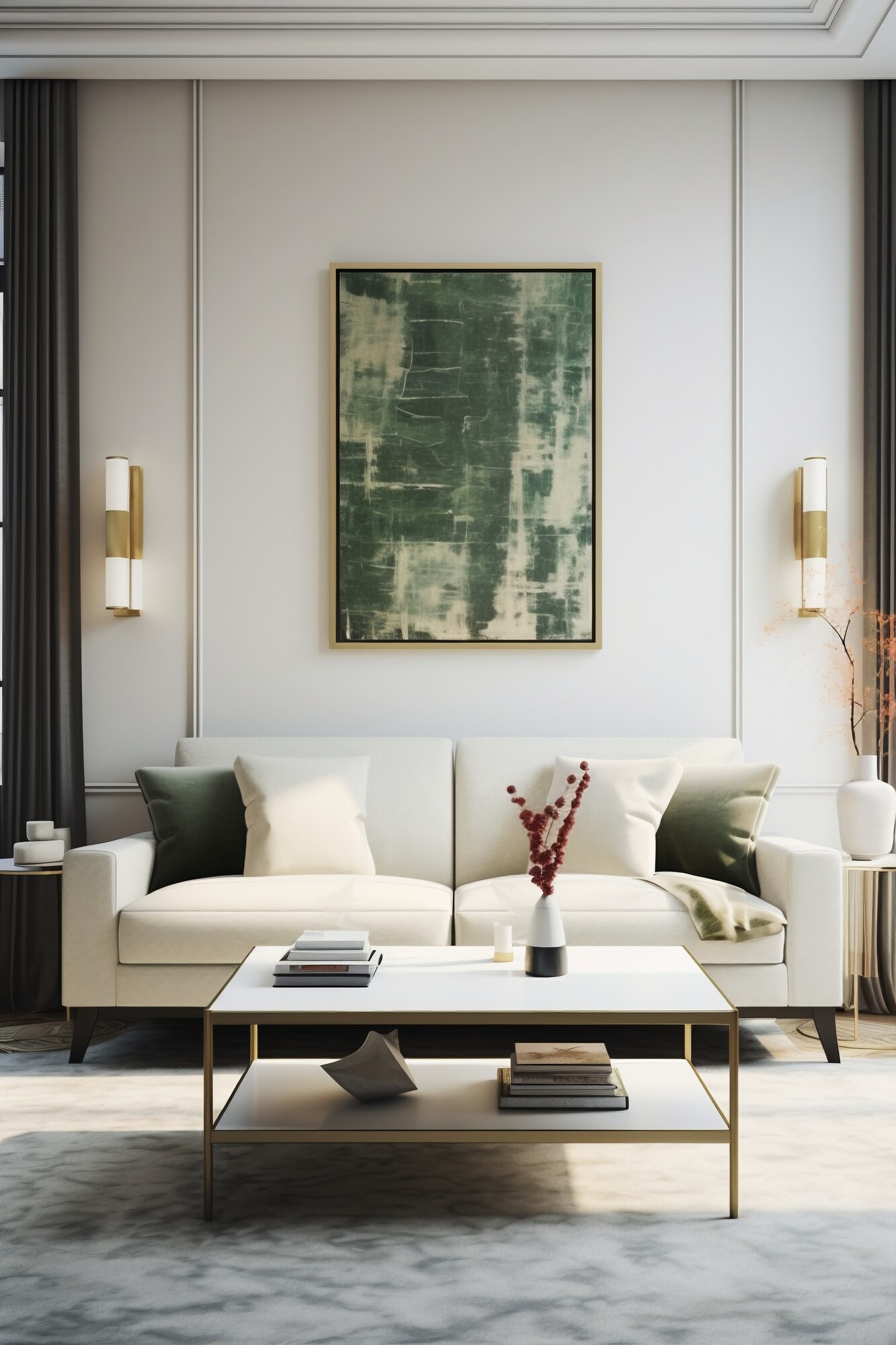
An accent wall can instantly become the focal point of a room. Instead of decorating every wall equally, one wall can receive a distinctive treatment using colour, texture, panels, wallpaper, stone, or wood.
In a living room, the TV wall is often used as an accent feature. Fluted panels, wooden finishes, marble-look surfaces, textured paint, or backlit panels can create an elegant backdrop.
For bedrooms, the wall behind the bed can serve as the primary feature wall. Upholstered panels, wallpaper, wooden slats, or textured finishes can create a comfortable and sophisticated appearance.
Fluted and Wooden Wall Panels
Fluted wall panels have become increasingly popular in contemporary interiors because they add texture without overwhelming the room. Their vertical lines can also create an impression of greater wall height.
Wooden slat walls can be used as complete feature walls or as partial partitions between spaces. They work particularly well in living rooms, dining areas, entrance spaces, and home offices.
An Interior designer can combine these panels with lighting to create depth and highlight specific architectural features.
Marble and Stone-Inspired Wall Designs
For a luxurious interior, marble and stone-inspired wall surfaces can provide a sophisticated appearance. These finishes are especially effective for TV walls, entrance areas, dining spaces, and feature walls.
Large-format surfaces can create a seamless appearance with fewer visible joints. When combined with warm lighting and understated furniture, stone-inspired walls can create a premium ambience.
Natural materials should be selected based on maintenance requirements, budget, and the overall design concept.
Bedroom False Ceiling and Wall Ideas
Bedrooms benefit from designs that create a calm and relaxing atmosphere. A simple layered false ceiling with concealed warm lighting can provide soft illumination without being visually distracting.
The wall behind the bed can be enhanced using upholstered panels, wallpaper, wooden textures, or a combination of materials. Matching elements between the ceiling and headboard wall can create a cohesive design.
An Interior designer can also incorporate bedside lighting, ceiling lights, and accent lighting into the design to improve both functionality and ambience.
Living Room Ceiling and Wall Combinations
The living room is often the centre of a home, making it an ideal space for creative ceiling and wall treatments. A combination of a recessed false ceiling, pendant light, accent wall, and concealed LED lighting can create an impressive visual effect.
For a modern appearance, neutral wall colours can be paired with wooden or textured elements. For a more luxurious look, marble-inspired panels, metallic accents, or decorative lighting can be introduced.
The key is to maintain balance. Too many patterns, materials, or lighting elements can make the space feel crowded.
False Ceiling Ideas for Small Rooms
Small rooms require careful planning. Heavy ceiling designs can make a room appear smaller, while a simple ceiling with recessed lighting can create a more open feeling.
Light colours, slim ceiling profiles, vertical wall panels, and strategically positioned lighting can help enhance the perception of space. Mirrors and reflective surfaces can also be incorporated into selected wall areas.
A skilled Interior designer can use proportions, lighting, and material selection to maximise the visual spaciousness of a compact room.
Choosing the Right Materials
Material selection plays an important role in the performance and appearance of ceiling and wall designs. Gypsum is commonly used for false ceilings because it allows flexibility in creating different shapes and recessed lighting arrangements.
For walls, materials can include paint, wallpaper, wood, laminate, stone, marble, textured finishes, and decorative panels. Each option has different maintenance, durability, and cost considerations.
The right material should be selected according to the room’s purpose, moisture exposure, maintenance expectations, and desired aesthetic.
How an Interior Designer Can Help
Designing a ceiling and wall independently can sometimes result in mismatched colours, proportions, or materials. An experienced Interior designer looks at the entire space and develops a coordinated design concept.
From selecting the appropriate ceiling profile to deciding the location of accent walls and lighting, professional planning can help achieve a more polished result. Designers can also consider furniture placement, natural lighting, electrical requirements, room dimensions, and budget before finalising the design.
Conclusion
The right False ceiling and wall design ideas can transform an ordinary room into a stylish, functional, and visually appealing space. From minimalist gypsum ceilings and concealed lighting to wooden panels, textured walls, marble-inspired finishes, and geometric designs, there are numerous possibilities for creating a personalised interior.
The most successful designs are not necessarily the most complicated. They are the ones that maintain a balance between aesthetics, functionality, proportions, lighting, and comfort. With the guidance of a professional Interior designer, homeowners can create ceiling and wall combinations that complement their lifestyle while adding lasting value and character to their interiors.