Open Layouts vs Partitioned Spaces: Which One Works Best for Your Home?

When planning a home or workspace, one of the biggest decisions you’ll face is choosing between Open Layouts vs Partitioned Spaces. Both design styles offer distinct advantages and can dramatically impact the way a space looks, feels, and functions. Understanding their differences can help you make the right choice based on your lifestyle, preferences, and practical needs.
What Are Open Layouts?
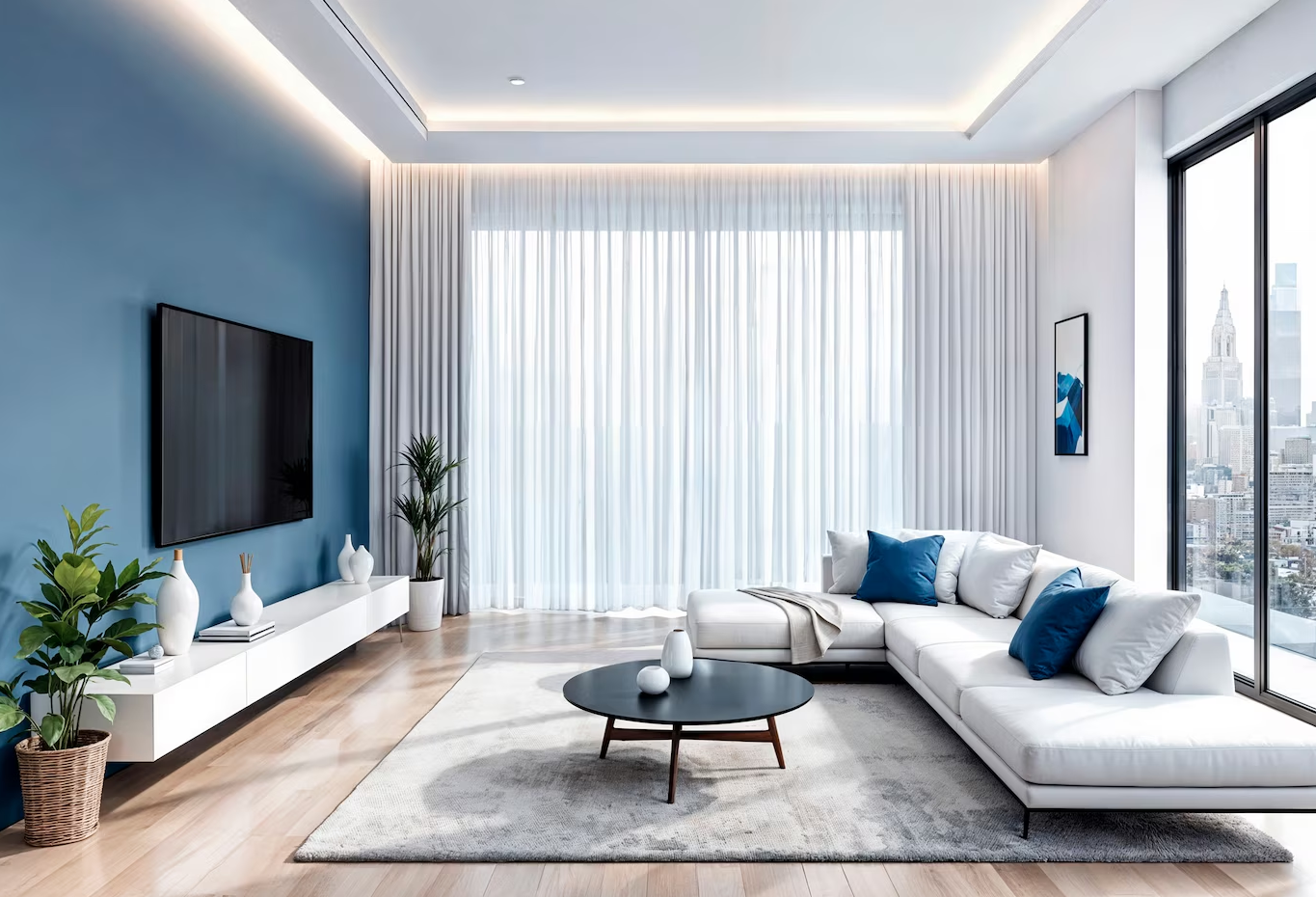
Open layouts refer to spaces where multiple functional areas—such as the living room, dining area, and kitchen—are combined into a single, large, uninterrupted space. This design eliminates walls and barriers, creating a seamless flow between different zones.
One of the biggest advantages of open layouts is the sense of spaciousness. Even smaller homes can feel larger and more airy when walls are removed. Natural light flows freely throughout the space, reducing the need for artificial lighting and creating a bright, welcoming atmosphere.
Open layouts also encourage social interaction. Whether you’re entertaining guests or spending time with family, everyone can stay connected without being separated by walls. This makes it especially popular in modern homes and apartments.
However, open layouts do come with some challenges. Noise can travel easily across the space, making it harder to find quiet areas. There is also less privacy, which might not suit households with multiple occupants needing separate work or relaxation zones.
What Are Partitioned Spaces?
Partitioned spaces, on the other hand, divide a home into distinct rooms using walls, doors, or partitions. Each room is designed for a specific purpose, such as a bedroom, office, or dining room.
The primary advantage of partitioned spaces is privacy. Each room can be used independently without interruptions from other activities happening in the house. This is especially beneficial for families, remote workers, or individuals who value quiet and personal space.
Another benefit is better organization. With defined rooms, it’s easier to maintain a structured layout and keep clutter contained within specific areas. It also allows for more personalized interior design in each room, as different themes and styles can be used without clashing.
However, partitioned spaces can sometimes feel smaller and more confined, especially in compact homes. They may also limit the flow of natural light, making interiors appear darker unless carefully designed.
Key Differences: Open Layouts vs Partitioned Spaces
When comparing Open Layouts vs Partitioned Spaces, the decision often comes down the lifestyle and functionality.
Open layouts are ideal for:
- Modern, minimalist lifestyles
- Families who enjoy shared spaces
- Homes that rely the natural light
- Entertaining guests frequently
Partitioned spaces are better suited for:
- Individuals who need privacy and quiet
- Work-from-home setups
- Traditional home designs
- Large families with different schedules
Finding the Right Balance
Many homeowners today are opting for a hybrid approach—combining elements of both styles. For example, you can have an open living and dining area while keeping bedrooms and workspaces partitioned. Sliding doors, glass partitions, or modular dividers can offer flexibility, allowing you to switch between open and closed spaces as needed.
This balanced approach ensures you get the best of both worlds: openness where you want it and privacy where you need it.
Final Thoughts
Choosing between Open Layouts vs Partitioned Spaces is not about which design is better—it’s about what works best for your lifestyle. Open layouts offer freedom, light, and connectivity, while partitioned spaces provide structure, privacy, and functionality.
Before making a decision, consider how you use your space daily, the number of people in your household, and your long-term needs. Consulting with professionals can also help you make the most of your available space and design a home that truly reflects your personality.