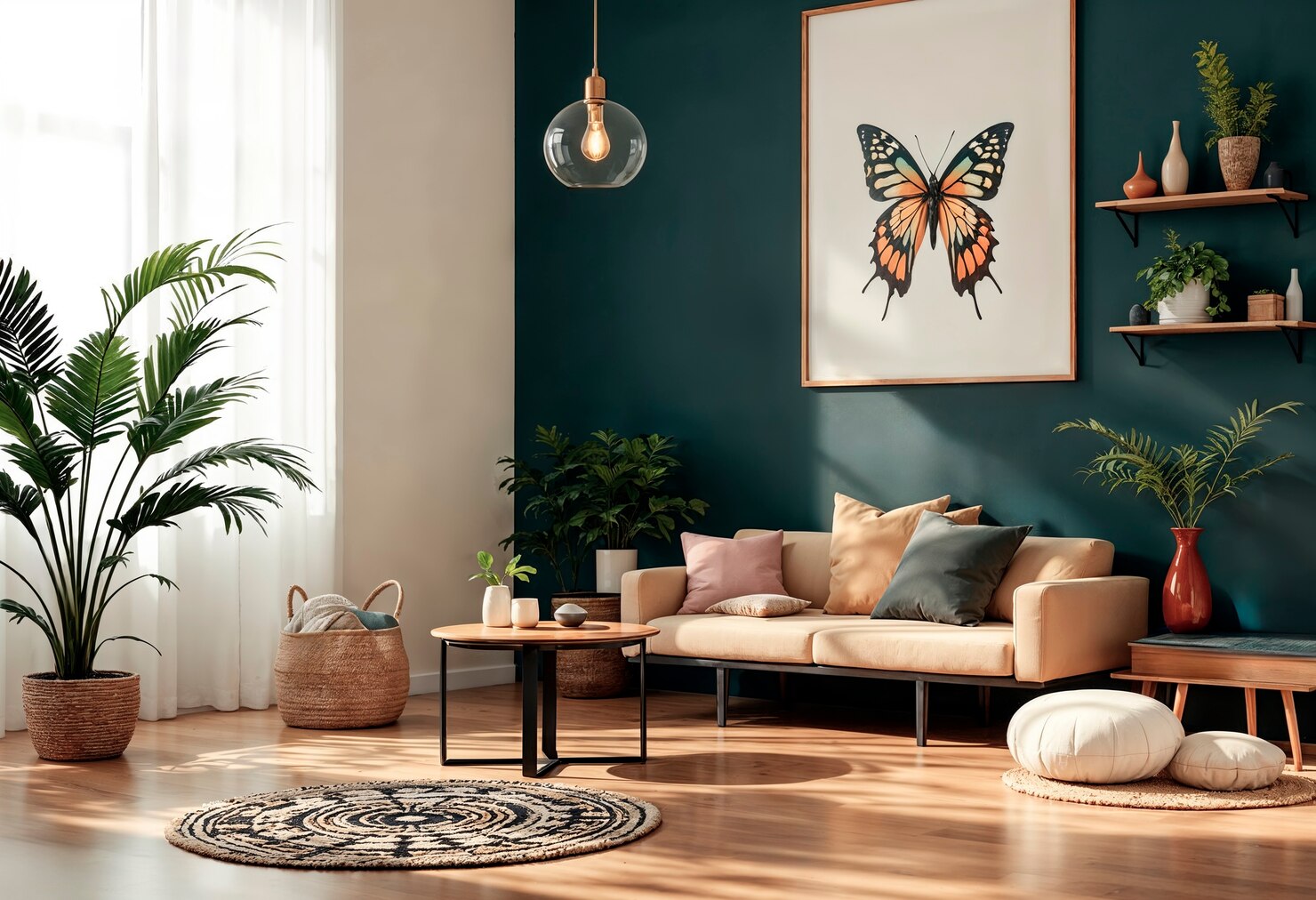
Lighting integration and LED placement
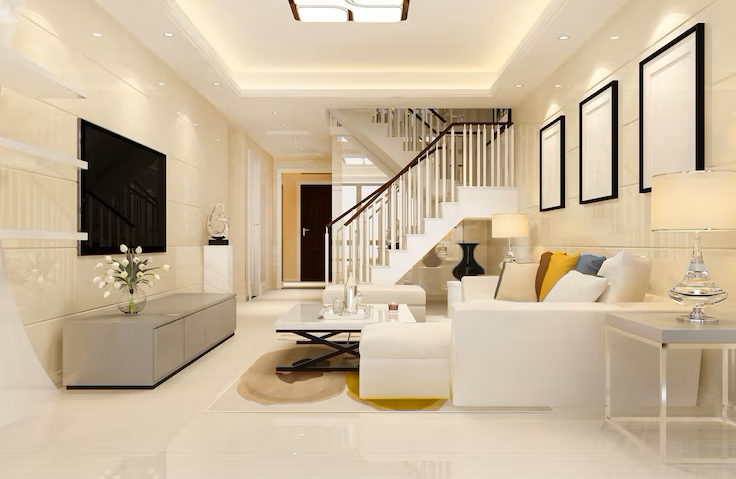
Lighting is one of the most important elements in interior design. The right lighting can transform the mood, appearance, and functionality of a space, while poor lighting can make even a well-designed room feel dull or uncomfortable. From ambient lighting to accent lights and strategically placed LEDs, every lighting element should work together with the overall design. A skilled Interior designer considers lighting from the early planning stages to create spaces that are visually appealing, practical, and comfortable.
Understanding Lighting Integration in Interior Design
Lighting integration means incorporating lighting fixtures and systems seamlessly into the interior design rather than treating them as an afterthought. It involves deciding where lights should be placed, how bright they should be, what type of fixtures should be used, and how they interact with furniture, colours, textures, and architectural features.
Modern homes often use a combination of ceiling lights, pendant fixtures, wall lights, spotlights, strip LEDs, and concealed lighting. Each serves a different purpose. An experienced Interior designer can combine these lighting layers to create a balanced environment where every area receives the appropriate amount of illumination.
Integrated lighting can also help highlight important design features. For example, LED strips can be installed inside display units, beneath kitchen cabinets, behind TV panels, or along false ceilings to create a subtle glow without making the light source visually dominant.
The Importance of LED Placement
LED lighting has become a popular choice for modern interiors because it offers flexibility in design and can be used in a wide range of applications. However, simply adding LED lights does not guarantee an attractive result. Their placement plays a major role in determining how the space looks and functions.
LEDs should be positioned according to the purpose of the area. In a kitchen, under-cabinet LED lighting can illuminate work surfaces and reduce shadows. In a bedroom, concealed LEDs around the headboard or ceiling can create a relaxing atmosphere. In a living room, carefully positioned accent LEDs can draw attention to artwork, shelving, wall textures, or architectural details.
An Interior designer studies the room layout, furniture arrangement, ceiling height, and natural light before deciding where LEDs should be installed. This approach ensures that lighting supports the overall design instead of competing with it.
Layering Different Types of Lighting
A well-designed interior usually benefits from three main lighting layers: ambient, task, and accent lighting.
Ambient lighting provides general illumination throughout the room. Recessed ceiling lights, cove lighting, and ceiling fixtures are commonly used for this purpose.
Task lighting provides focused illumination for specific activities. Examples include kitchen counter lights, study lamps, dressing-area lights, and bathroom mirror lighting.
Accent lighting is used to highlight particular features. Spotlights, wall washers, and LED strips can be used to emphasise artwork, decorative walls, shelves, niches, or architectural elements.
Combining these layers allows homeowners to adjust the atmosphere according to different activities and times of day. A professional Interior designer can plan these layers so they complement one another without creating excessive brightness or unwanted shadows.
LED Lighting for False Ceilings
False ceilings provide several opportunities for creative LED integration. Cove lighting can be installed within recessed sections of the ceiling to produce a soft, indirect glow. Spotlights can be positioned to provide focused illumination, while linear LED fixtures can add a contemporary appearance.
The placement of ceiling LEDs should also consider furniture positioning. Lights placed directly above seating areas, dining tables, or workspaces can provide functional illumination, while indirect lighting can create a softer background effect.
Instead of installing too many lights, an Interior designer can use a combination of concealed and visible fixtures to create depth and visual balance.
Lighting Integration in the Living Room
The living room is often the central space of a home, so lighting should be both functional and decorative. General ceiling lighting can provide overall illumination, while accent lights can highlight feature walls, artwork, plants, or display units.
LED strips can also be incorporated into TV units and shelving systems. When installed correctly, they can create a subtle visual layer and make the furniture appear more refined.
Pendant lights or decorative fixtures can be used above coffee tables or other focal areas. The goal is to create multiple lighting options rather than relying on a single bright ceiling fixture.
LED Placement in the Kitchen
Kitchen lighting needs special attention because it combines general illumination with task lighting. Dark or poorly illuminated work surfaces can make food preparation inconvenient.
Under-cabinet LEDs are particularly useful because they provide direct light onto countertops. Ceiling lights can provide general illumination, while pendant fixtures can be positioned above kitchen islands or breakfast counters.
An Interior designer can coordinate the lighting layout with cabinet dimensions, appliance locations, and work zones to minimise shadows and improve usability.
Bedroom Lighting for a Relaxing Atmosphere
Bedrooms require a softer and more comfortable lighting approach. Harsh overhead lighting may not always be suitable, particularly during the evening.
Warm-toned LEDs can be incorporated into false ceilings, wardrobes, headboards, and bedside areas. Wardrobe lighting can make it easier to find clothing, while concealed headboard lighting can provide a gentle glow without overpowering the room.
Bedside reading lights or wall-mounted fixtures can provide focused illumination when needed. By combining different lighting levels, the bedroom can become more adaptable throughout the day.
Smart Lighting and Modern Interiors
Lighting integration is increasingly connected with smart-home technology. Smart LED systems can allow homeowners to adjust brightness, colour temperature, and lighting scenes according to their preferences.
For example, brighter lighting can be used during work or study, while softer lighting can create a relaxed environment in the evening. Motion sensors can also be used in wardrobes, passages, and utility areas.
An Interior designer can consider smart lighting requirements during the planning stage so that switches, wiring, fixtures, and control systems are incorporated neatly into the overall design.
Avoiding Common LED Placement Mistakes
One common mistake is using too many LEDs simply because they are easy to install. Excessive lighting can make a room look cluttered and uncomfortable. Another issue is placing lights without considering shadows. A poorly positioned spotlight can create unwanted shadows on work surfaces or walls.
Using the wrong colour temperature can also affect the appearance of the space. Cool lighting may work well for certain task-oriented areas, while warmer lighting can be more suitable for bedrooms and relaxation zones.
The quality of the LED fixture also matters. Consistent brightness, suitable colour rendering, and appropriate installation can contribute to a more refined lighting experience.
Creating a Balanced Lighting Design
Good lighting is not simply about making a room brighter. It is about creating the right balance between illumination, atmosphere, functionality, and aesthetics. Every light source should have a purpose and contribute to the overall design.
With thoughtful Lighting integration and LED placement, homeowners can make better use of architectural features, enhance furniture, create visual depth, and improve everyday comfort. From concealed ceiling lighting to under-cabinet LEDs and wardrobe illumination, small lighting details can make a significant difference to the final appearance of a home.
A professional Interior designer can coordinate lighting with the layout, materials, colours, furniture, and lifestyle requirements of the homeowner. When planned correctly, lighting becomes more than a functional requirement—it becomes an integral part of the interior design, helping create spaces that are comfortable, practical, and visually inviting.