How Interior Designers in Chennai Use Colors and Textures to Transform Spaces
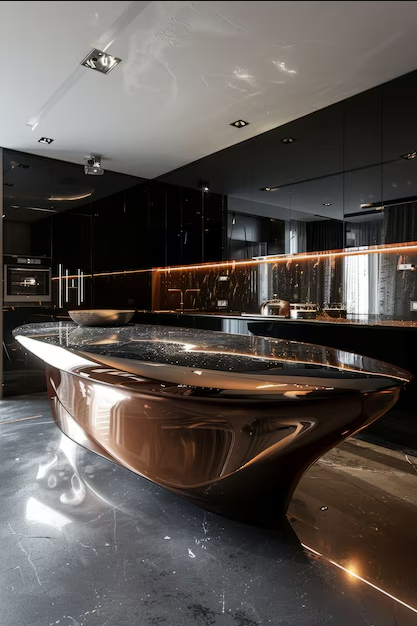
Interior designers in Chennai have a special knack for turning ordinary rooms into soulful, comfortable places — and a huge part of that magic comes from two deceptively simple tools: color and texture. Whether it’s a compact apartment in Adyar, a heritage bungalow near Mylapore, or a high-rise flat overlooking the marina, Chennai’s designers use palettes and materials that respond to climate, culture, light, and lifestyle. Here’s how they do it — and how you can steal the best ideas for your own home.
1. Starting with context: light, climate and culture
Design decisions don’t happen in a vacuum. Chennai’s bright, tropical light and warm climate affect how colors read during the day. Interior designers in Chennai favor palettes that harmonize with strong natural light — either by using warm, sun-friendly neutrals that reflect heat and light, or by choosing saturated accents that stay vivid under intense sunshine. Designers also lean into local cultural cues — traditional saree colors, temple stone greys, and coastal blues — to create spaces that feel familiar and grounded.
2. Color as structure: zoning, flow, and mood
Color is a fast, inexpensive way to change how we move through a home.
-
Zoning without walls: Designers use different tones to define functional zones in open-plan homes. A soft terracotta behind a dining area, a muted teal for the work corner — each color signals a purpose without blocking sightlines.
-
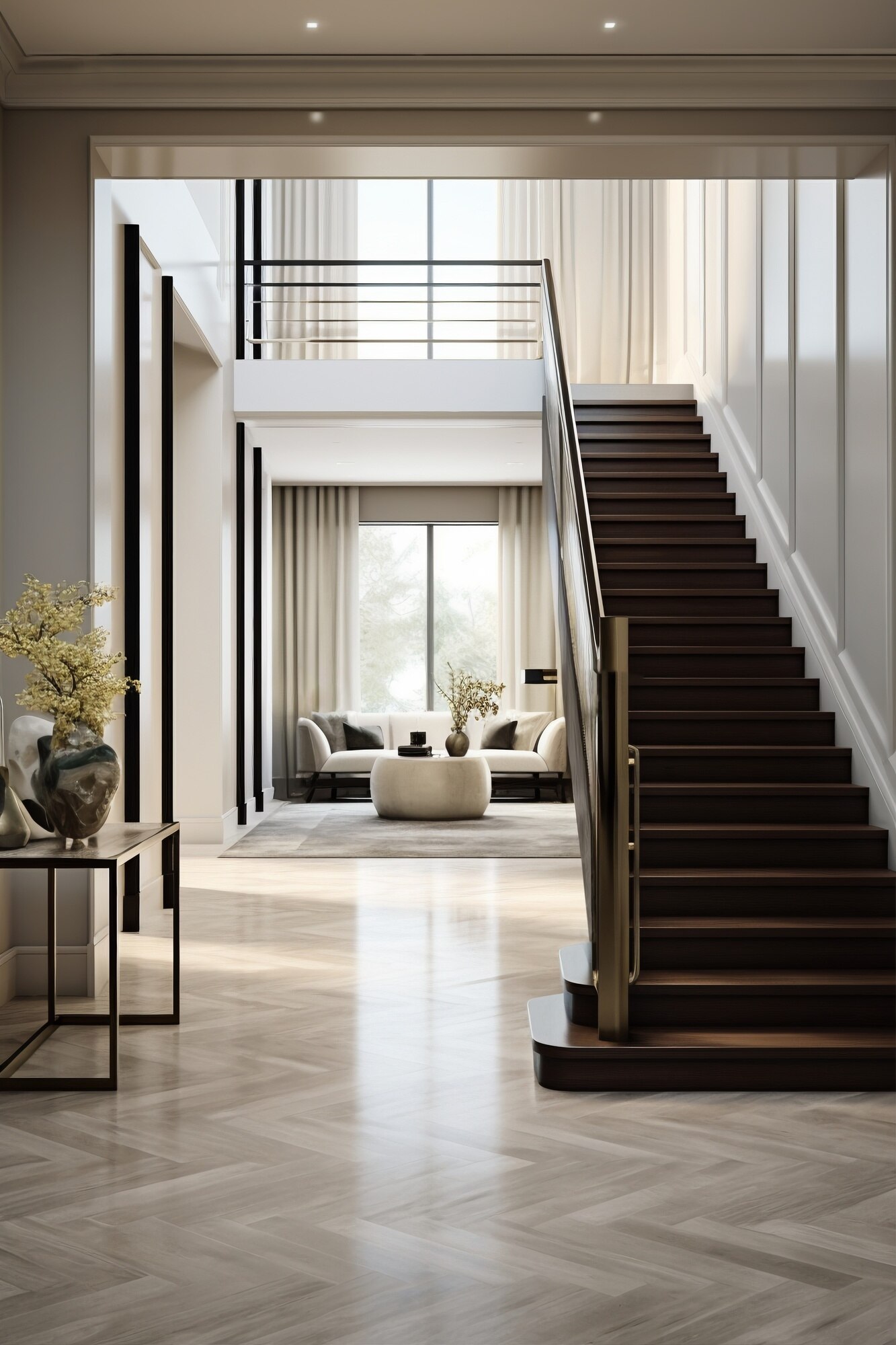
Flow and continuity: A consistent neutral base (creams, warm greys, soft beiges) across hallways and living spaces creates visual continuity. Accent colors are then repeated in small doses — a cushion here, a lamp there — to tie rooms together.
-
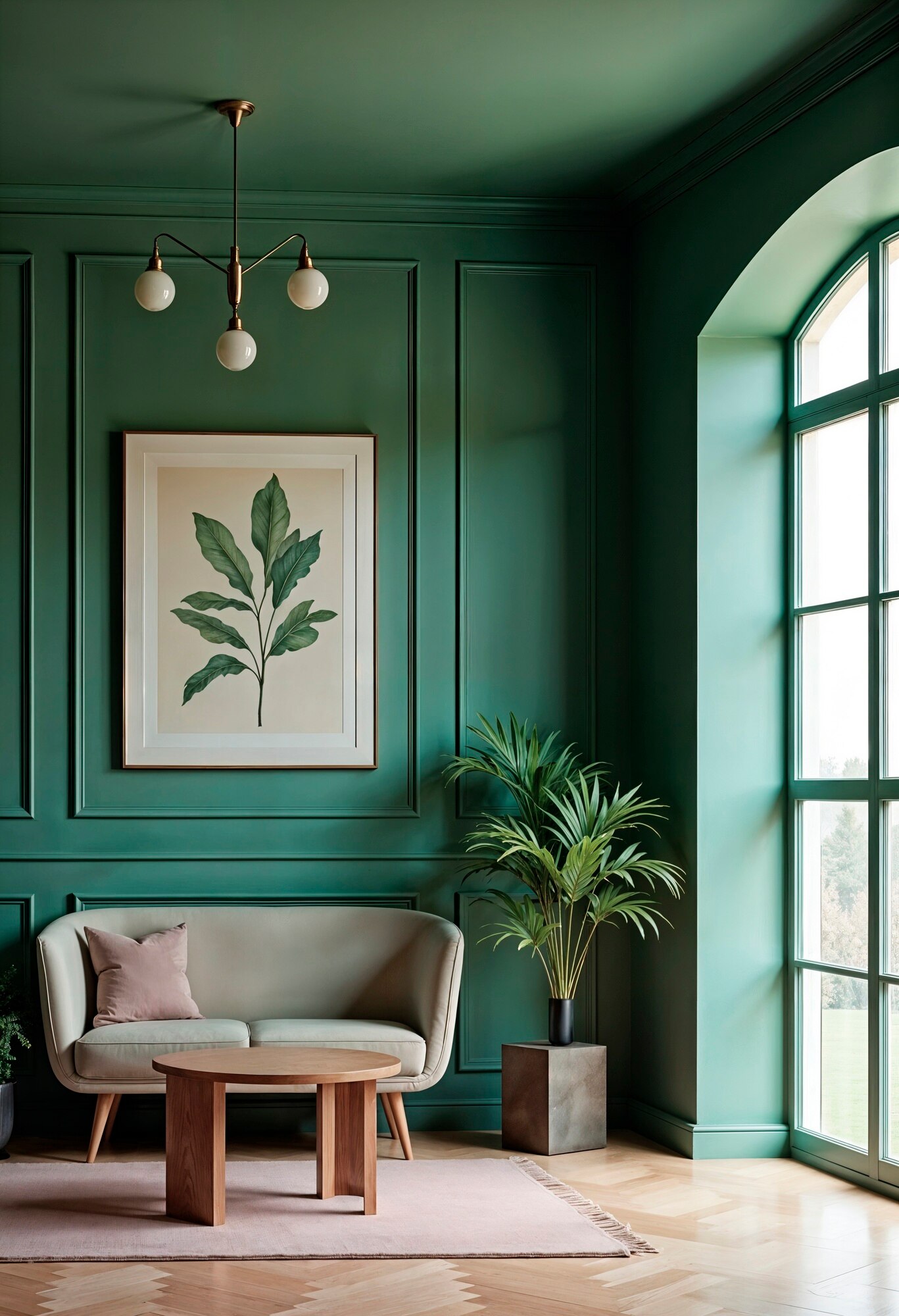
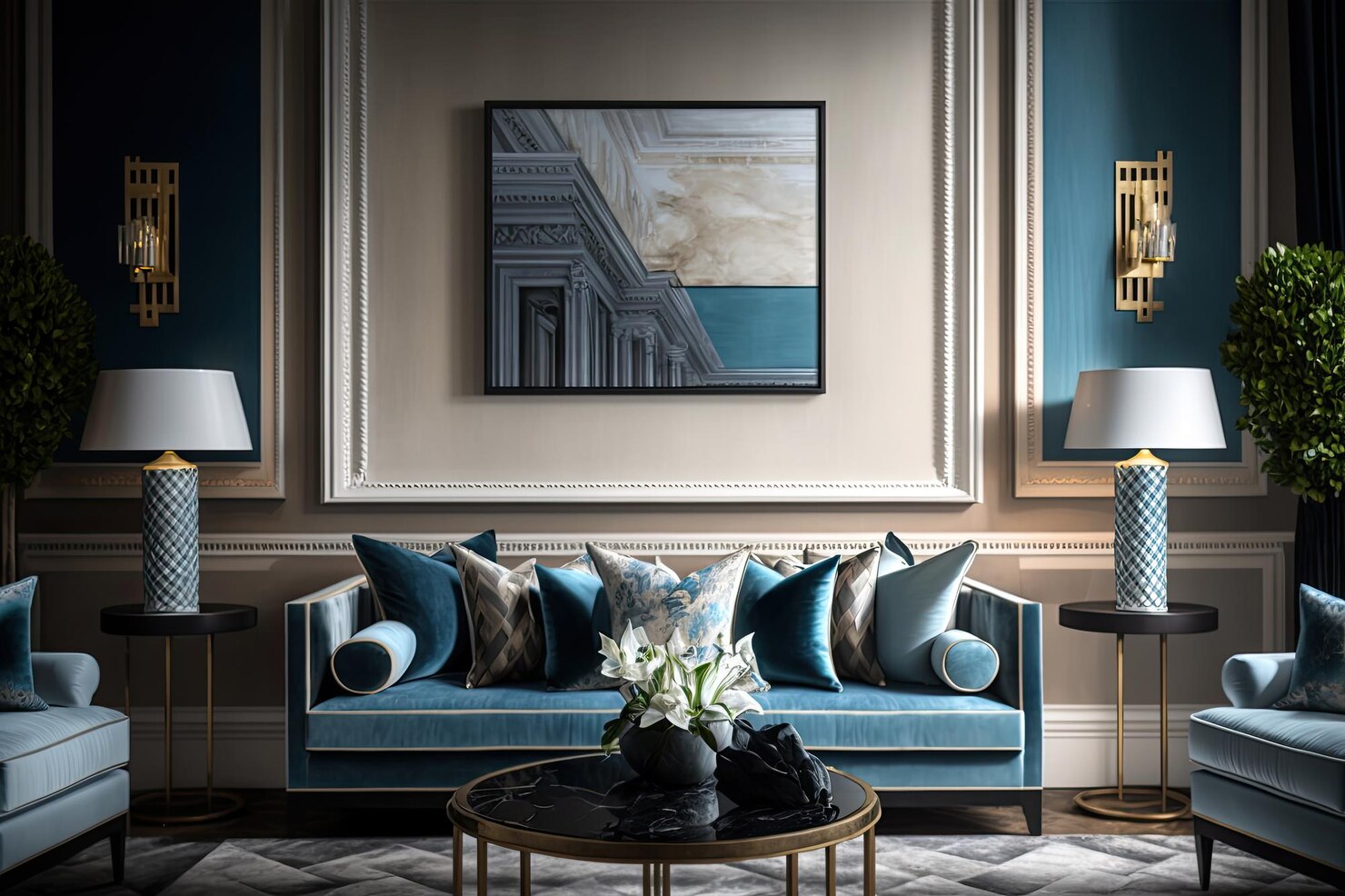
Mood setting: Cool blues and greens calm a bedroom; rich jewel tones add drama to a living room; sun-washed yellows and corals bring cheer to kitchens and kids’ rooms. Interior designers in Chennai are savvy about mapping color to mood while considering how coastal humidity and light will shift perception.
3. Texture: the tactile second skin
If color is the language, texture is the accent — it’s what you feel and see up close.
-
Natural fibers: Cotton, linen, jute and khadi are common in Chennai projects. These materials breathe in humid weather and give a relaxed, tactile warmth to lounges and bedrooms.
-
Stone and wood: Exposed granite, sandstone tiles, and warm teak or rosewood finishes draw from South Indian architecture and lend permanence. Rough-cut stone walls or wooden slat panels add depth without competing with color.
-
Metals and glass: Brass hardware, copper light fittings and smoked glass surfaces bring contrast and a refined edge. Designers balance shiny, reflective elements with matte textiles to avoid visual overload.
-
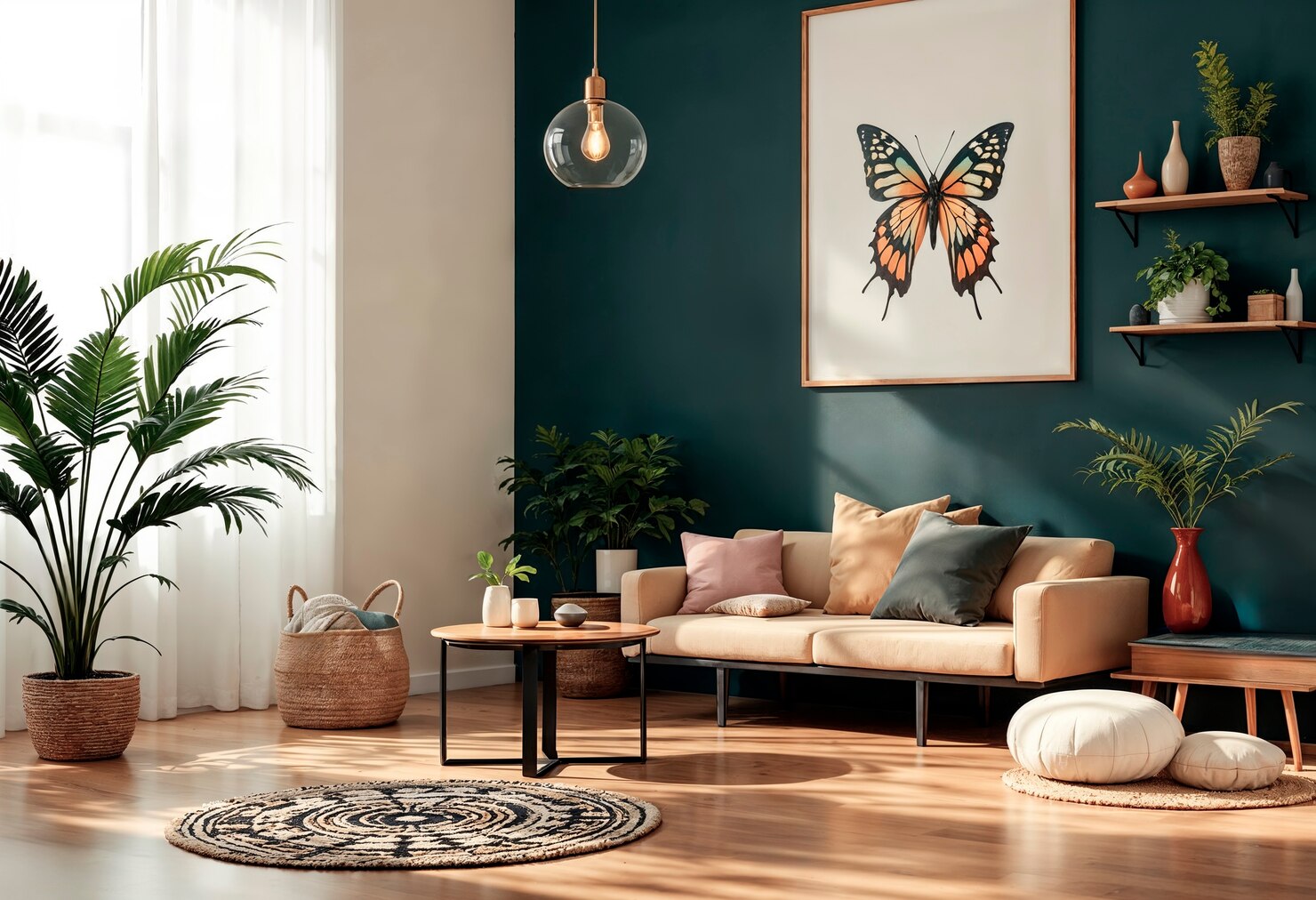
Layering: A single room often mixes smooth plaster walls, a woven rug, linen curtains, and a glossy ceramic vase. That layering of textures is what makes a room feel lived-in and three-dimensional.
4. Accent techniques that Chennai designers favor
A few practical, repeatable techniques turn good schemes into memorable ones:
-
The 60-30-10 rule, adapted: 60% dominant neutral, 30% secondary color (larger furnishings), 10% bold accent. In Chennai, the palette often shifts warmer to suit the light.
-
Feature walls with restraint: Instead of painting an entire room a bold color, a single wall — often with texture (terracotta plaster, cane panels, patterned tiles) — becomes the focal point.
-
Local crafts as texture: Handwoven cushions, block-printed fabrics, and terracotta planters add both texture and cultural resonance. Designers source locally-made pieces to support artisans and introduce authentic details.
-
Contrast for lifespan: Lighter wall colors with darker, washable upholstery choices in high-traffic zones help manage wear while keeping spaces airy.
5. Practical concerns: maintenance and climate
Chennai’s humidity and dust affect material choices. Interior designers in Chennai often:
-
Use washable or quick-dry fabrics in seating and curtains.
-
Choose finishes and paints with anti-fungal properties for bathrooms and kitchens.
-
Prefer ventilated cabinetry and breathable textiles to reduce mildew risk.
6. Small spaces, smart palettes
For compact Chennai flats, designers use crisp whites or warm neutrals to expand visual space, then add texture and color in moveable elements — rugs, throws, and art — so the look can evolve without costly renovations.
7. Bringing it all together: the emotional payoff
When color and texture are combined thoughtfully, rooms stop being collections of furniture and become environments that support daily life, celebrate local identity, and respond to weather and light. That’s the core skill interior designers in Chennai bring: a sensitivity to place plus practical know-how.