How Interior Designers in Chennai Incorporate Tamil Culture in Modern Homes
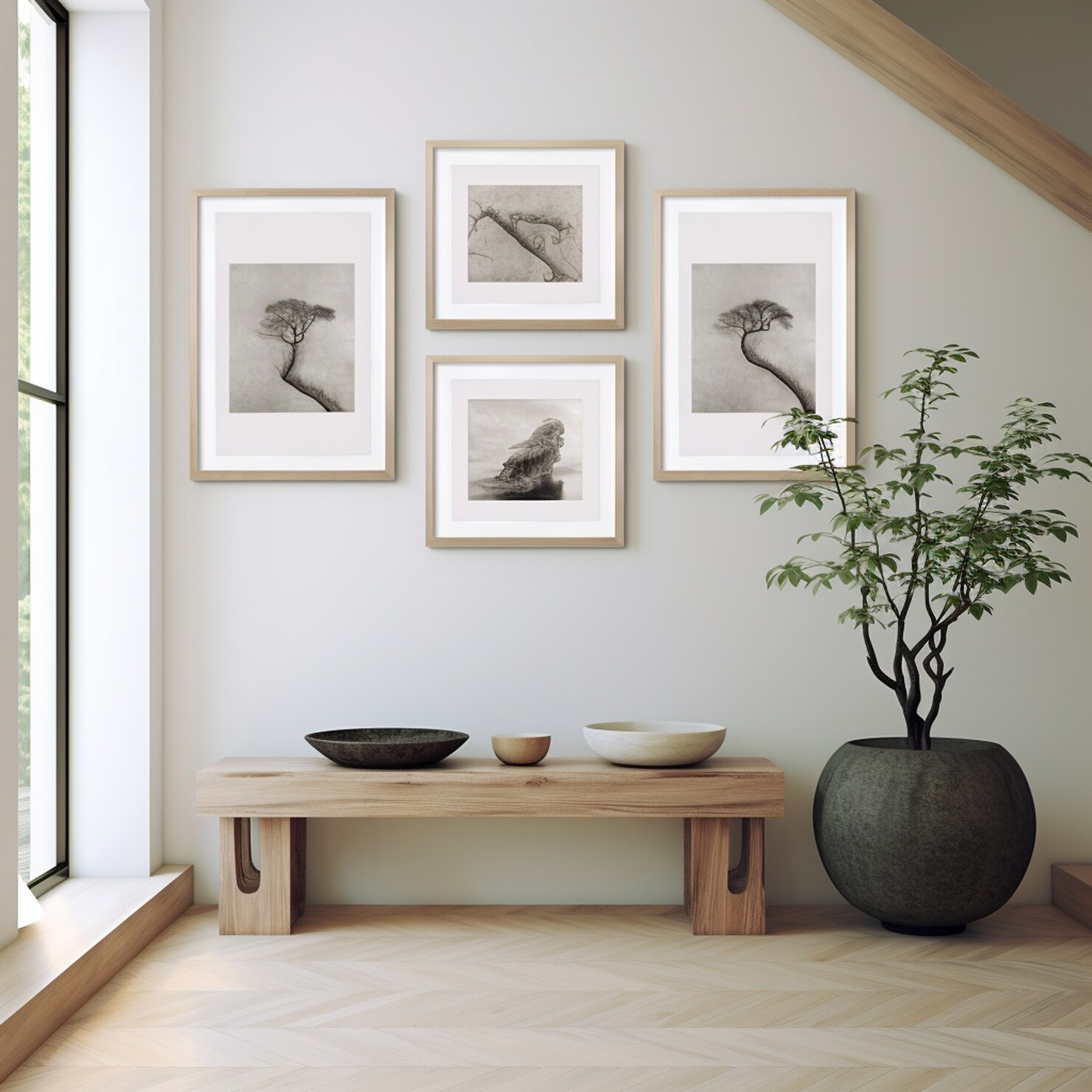
Chennai is not just a modern metropolis — it’s a city steeped in centuries of history, art, temple architecture, and Tamil‑Nadu heritage. For many homeowners, owning a home in Chennai isn’t just about modern comfort; it’s also about preserving a sense of identity. That’s where interior designers in Chennai play a meaningful role.
Today’s design projects in Chennai try to strike a balance: offering the convenience and aesthetics of modern living, while anchoring the home in Tamil culture. The result is “heritage‑inspired modernity” — where minimal layouts meet classical woodwork, where smart lighting coexists with temple‑style niches, and where a modular apartment still feels deeply rooted.
Key Cultural Elements Interior Designers in Chennai Often Use
Here are some of the recurring motifs, materials, and ideas that designers draw on when blending Tamil cultural heritage into contemporary homes:
• Traditional Materials — Wood, Stone, Terracotta
Many homes in Chennai draw from the material palette of traditional Tamil‑Nadu architecture. Designers often use teak or rosewood for furniture, door frames, or wall paneling — a nod to age-old craftsmanship.
Stone or terracotta tiles, or natural stone accents, add earthy texture and help moderate the climate — a practical heritage inspiration in a tropical city.
• Architectural & Spatial Influences: Courtyards, Pillars, Jaali Work
Traditional Tamil homes (and especially heritage homes in regions like Chettinad) feature open courtyards (mutram), high ceilings, verandahs or “thinnai” — designs meant for ventilation, natural light, and community living.
Interior designers in Chennai often reinterpret these features: they might create small indoor courtyards or light‑well spaces, use wooden pillars to demarcate living/dining zones, or even incorporate jaali/lattice‑work partitions to allow light and air while preserving privacy.
• Cultural Art & Décor — Artworks, Textiles, Brass Accents
Heritage‑style interiors frequently include traditional art — like Tanjore paintings with gold‑leaf detailing — festive textiles in bold colours, and classic decor items such as brass lamps or urns. These pieces bring warmth, identity, and a connection to Tamil cultural motifs.
Designers often use hand‑woven cotton or silk — inspired by local textile traditions — for curtains, cushion covers, upholstery or rugs, thereby merging comfort with cultural symbolism.
• Color & Texture — Earthy Tones with Vibrant Accents
The colour palettes in culturally inspired Chennai homes draw heavily from heritage — earthy browns, terracotta, muted beiges, or warm ochres — which evoke a sense of calm, naturalness, and tradition.
Yet, designers often add accents — deep maroons, turmeric-inspired yellows, greens, or blues — to reflect the vibrancy of Tamil festivals, temple art, and local textiles. This interplay of neutral base tones and bright accents keeps interiors contemporary without losing cultural identity.
How Modern Interiors Get the Tamil Touch — What Designers Actually Do
The magic lies in thoughtful blending. Here’s how interior designers in Chennai typically integrate Tamil cultural elements within a modern home layout:
-
Story‑first approach: Many designers begin by understanding what the home means to the occupants — perhaps family heirlooms, memories of grandparents’ houses, festival rituals, or even a love for certain crafts. These personal stories guide how cultural elements are woven in.
-
Selective motif adaptation: Instead of replicating grand old houses, designers often isolate motifs — a temple‑style arch becomes a wall niche; a traditional kolam pattern becomes a rug or wall‑art; carved woodwork finds place as a headboard or console rather than full‑blown furniture.
-
Combining old materials with new functionality: Traditional woods, stones, brass are paired with modern materials like glass, matte-metal, and engineered flooring — enabling durability, easy maintenance, and contemporary minimalism.
-
Sustainable & climate-aware design: Drawing from Tamil‑Nadu’s vernacular architecture which prioritized natural ventilation, courtyards, and sustainable materials — contemporary designs often reuse or emulate these principles while adapting to modern living standards.
-
Fusion of sacred/spiritual elements with everyday living zones: Spaces for worship or spiritual reflection (pooja corners) are still common, but now reimagined in compact, elegant forms — maybe as a niche with soft LED lighting, brass lamps, and minimal idols/frames — blending spirituality with modern aesthetics.
Why This Blend Resonates with Homeowners in Chennai
-
Sense of identity and roots: For many Chennai residents, especially those with traditional backgrounds, blending Tamil cultural design into a modern home gives a sense of continuity — an emotional anchor in a city that’s rapidly modernizing.
-
Cultural richness without clutter: A modern minimalist layout infused with heritage motifs offers the best of both worlds — the comfort, efficiency, and aesthetic appeal of contemporary design, without losing the warmth and soul of tradition.
-
Adaptation to climate + sustainable living: Use of natural materials and architectural features like ventilation, open spaces, and courtyards resonates well with Chennai’s climate, making homes cooler and more eco‑friendly, often reducing dependence on mechanical cooling.
-
Customization & personal storytelling: Instead of cookie‑cutter apartments, such culturally rooted interior design becomes deeply personal — reflecting the family’s history, values, and taste.
How “Interior Designers in Chennai” Are Leading This Movement
Interior designers in Chennai are uniquely positioned to deliver this blend, because:
-
They understand the cultural, climatic and architectural context — from Tamil‑Nadu’s temple architecture and local crafts to vernacular housing traditions.
-
They collaborate with local artisans, carpenters, and craftsmen to source authentic materials — carved wood, hand‑loom textiles, traditional tiles — preserving heritage skills.
-
They balance modern demands (functionality, minimalism, smart homes) with heritage aesthetics, delivering spaces that are practical yet soulful.
-
They offer tailored design solutions: for small apartments, villas, heritage homes or new builds — adapting Tamil‑inspired interiors to varying budgets and space constraints.
What to Keep in Mind If You Want a Tamil‑Culture Inspired Modern Home
-
Start with a story: Identify what aspects of Tamil culture resonate with you — family heritage, temple traditions, art, crafts, climate-responsive living — and let that be your design anchor.
-
Be selective & balanced: Use motifs and materials — not every wall needs wood panelling or carved pillars. A few well-placed heritage pieces — furniture, wall art, textiles — create impact.
-
Mix functionality with heritage: Ensure that modern needs (ventilation, lighting, layout, comfort) are met while including cultural touches.
-
Work with designers who appreciate heritage: Choose interior designers in Chennai who value traditional materials and artisan craftsmanship along with modern sensibilities.
Conclusion
In Chennai, modern homes need not abandon heritage; instead, they can become canvases where tradition and contemporary lifestyle co‑exist. Interior designers in Chennai are playing a pivotal role in crafting such homes — bridging past and present, function and culture, minimalism and warmth.
By integrating traditional materials, architectural motifs, art, textiles, and spiritual spaces — thoughtfully and selectively — they transform apartments and villas into homes that reflect not just modern taste, but identity, memory, and belonging.
For anyone building or renovating a home in Chennai — weaving Tamil culture into your modern home is not just a design choice; it’s a statement of who you are and where you come from.