Colour choices to enhance space
Creating a beautiful and functional space isn’t just about furniture and layout—colour plays a powerful role in shaping how a room feels and functions. The right colour palette can make a small room appear larger, a dark space feel brighter, and an ordinary interior look sophisticated and inviting. Understanding colour choices to enhance space is essential for anyone looking to transform their home or workspace into something truly special.
The Psychology of Colour in Interior Design
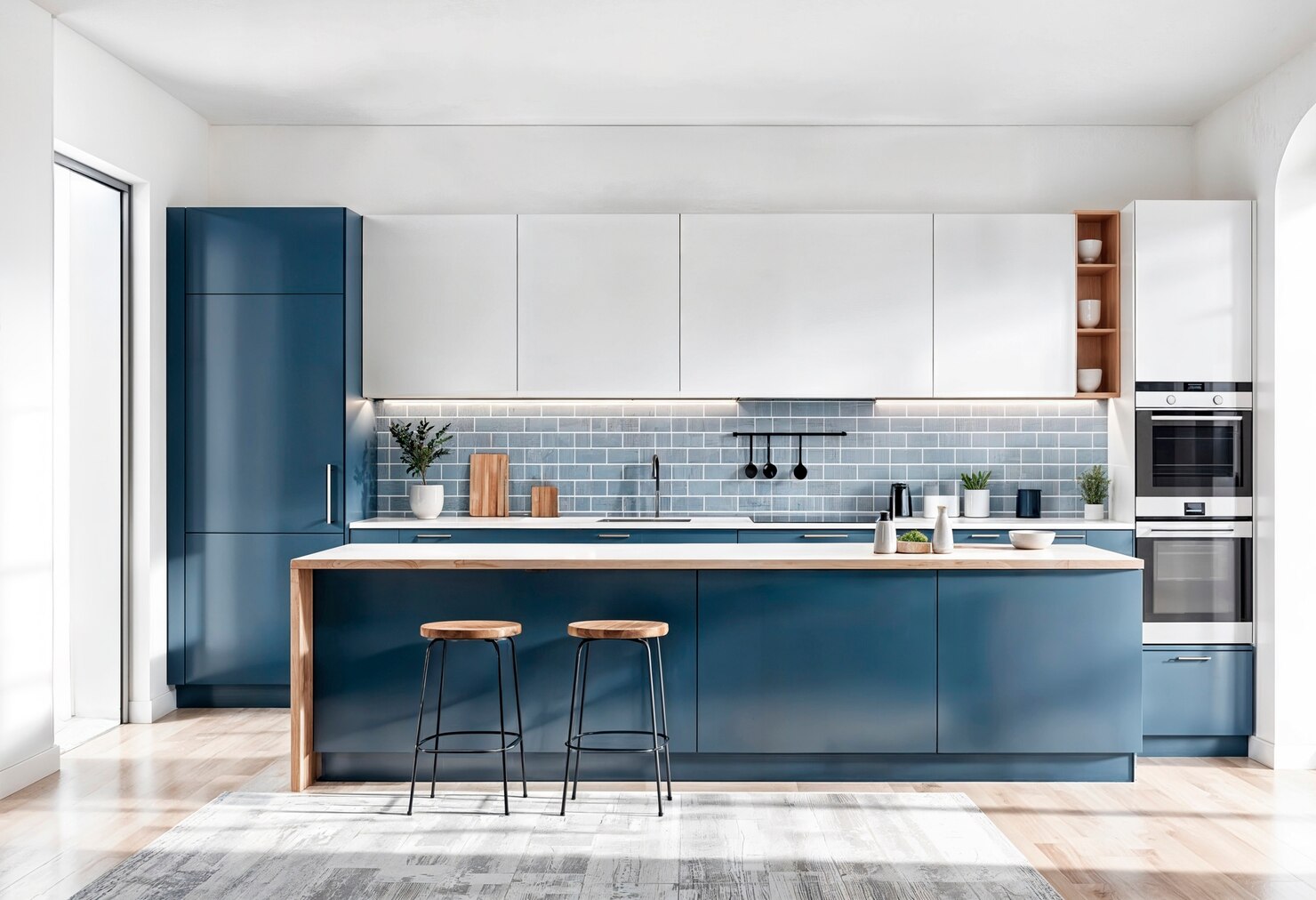
Colours have a direct impact on our mood and perception. Light shades such as whites, creams, and pastels tend to open up a space, making it feel airy and expansive. On the other hand, darker tones like navy blue, charcoal, or deep green can create a sense of intimacy and warmth when used strategically.
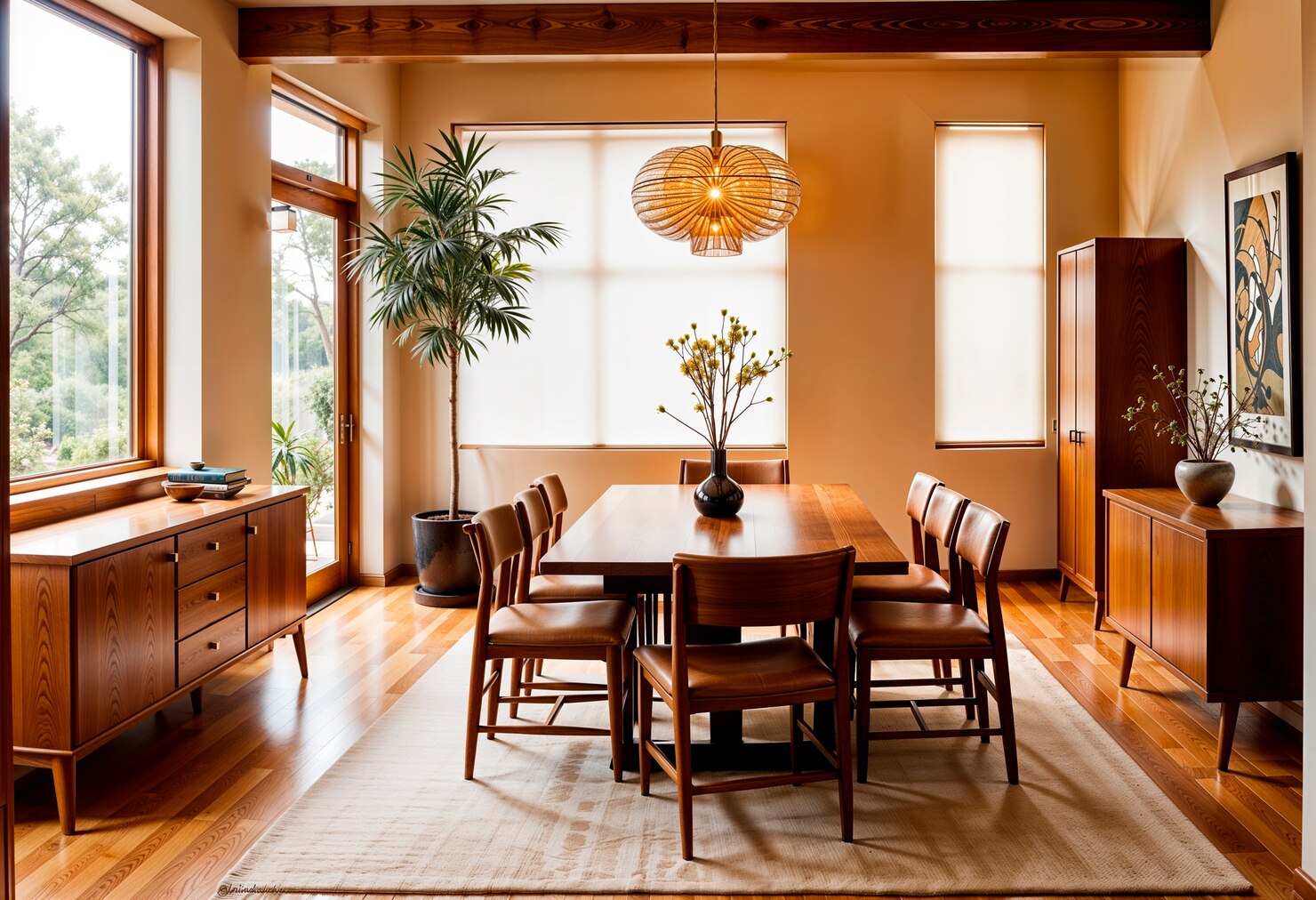
For example, soft blues and greens are known for their calming effect, making them ideal for bedrooms and relaxation areas. Warmer tones like beige, peach, and light yellow bring in a welcoming and cozy vibe, perfect for living rooms or common areas. Choosing the right colour based on the function of the room is the first step toward enhancing space.
Light Colours for Small Spaces
One of the most effective colour choices to enhance space, especially in compact rooms, is using lighter shades. Whites, off-whites, and pale greys reflect natural light, making the room appear larger than it actually is. These colours create an illusion of openness and reduce visual clutter.
If an all-white room feels too plain, you can layer it with subtle textures or add soft accent colours through décor elements like cushions, rugs, or curtains. This keeps the space visually interesting without overwhelming it.
Accent Walls for Depth and Character
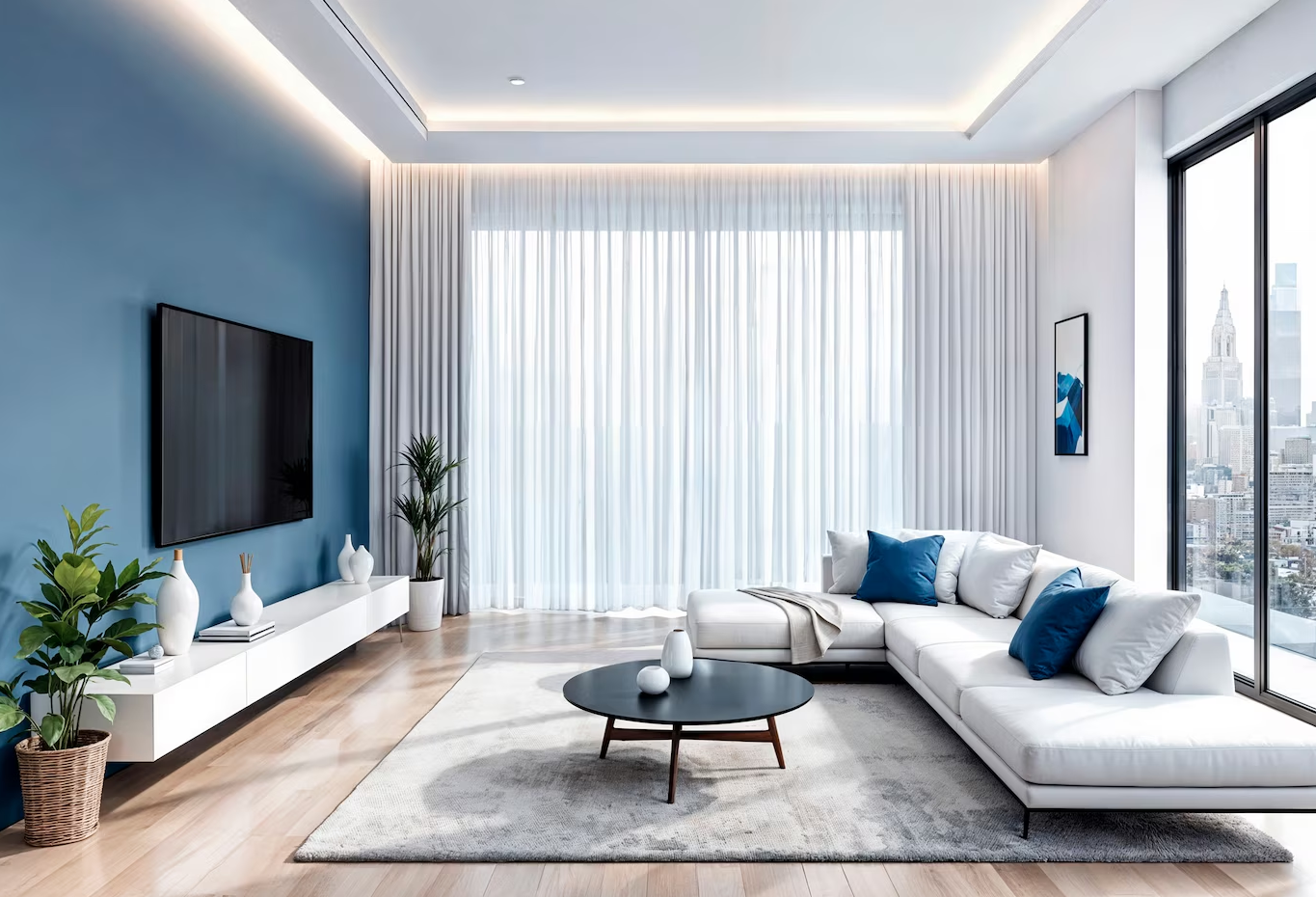
While light colours expand a room, adding a darker accent wall can create depth and dimension. This is a clever way to make a space feel more dynamic without making it look smaller.
For instance, painting one wall in a bold shade like deep teal or rich maroon can draw attention and add personality. The key is balance—pair bold colours with neutral tones to maintain harmony in the space.
Monochromatic Colour Schemes
A monochromatic colour scheme involves using different shades, tones, and textures of a single colour. This approach creates a cohesive and seamless look, which helps in visually expanding a room.
For example, using varying shades of grey—from light silver walls to darker grey furniture—can give a modern and elegant appearance. This technique eliminates sharp contrasts, making the space feel continuous and more spacious.
Using Contrasts Wisely
Contrast can also be used to enhance space when applied thoughtfully. Pairing light walls with slightly darker furniture or vice versa can define different areas within a room without physically dividing it.
However, excessive contrast can make a space feel busy and confined. Stick to subtle contrasts to maintain a clean and open look.
Ceiling and Floor Colour Considerations
Often overlooked, the ceiling and floor colours significantly impact spatial perception. A lighter ceiling can make the room feel taller, while a slightly darker floor grounds the space and adds balance.
If you want to create a sense of height, consider painting the ceiling a shade lighter than the walls. Vertical colour patterns or stripes can also elongate the walls, making the room appear taller.
Natural Light and Colour Interaction
Natural light plays a crucial role in how colours appear. A colour that looks perfect in a showroom may appear completely different in your home depending on lighting conditions.
Rooms with ample sunlight can handle cooler tones, while spaces with limited natural light benefit from warmer shades to avoid a dull or cold appearance. Always test paint samples in different lighting conditions before finalizing your choice.
Adding Colour Through Décor
If you’re hesitant to commit to bold wall colours, introduce colour through décor elements. Cushions, artwork, curtains, and furniture can bring vibrancy to a neutral space without permanent changes.
This approach allows flexibility—you can easily update the look of your space by changing accessories instead of repainting walls.
Final Thoughts
Mastering colour choices to enhance space is about understanding balance, light, and purpose. Whether you prefer minimalistic neutrals or bold accents, the right combination can transform any room into a visually appealing and functional environment.
By carefully selecting colours that reflect light, create depth, and complement the room’s purpose, you can make even the smallest spaces feel open and inviting. Thoughtful colour planning not only improves aesthetics but also enhances comfort and usability, making your space truly enjoyable.