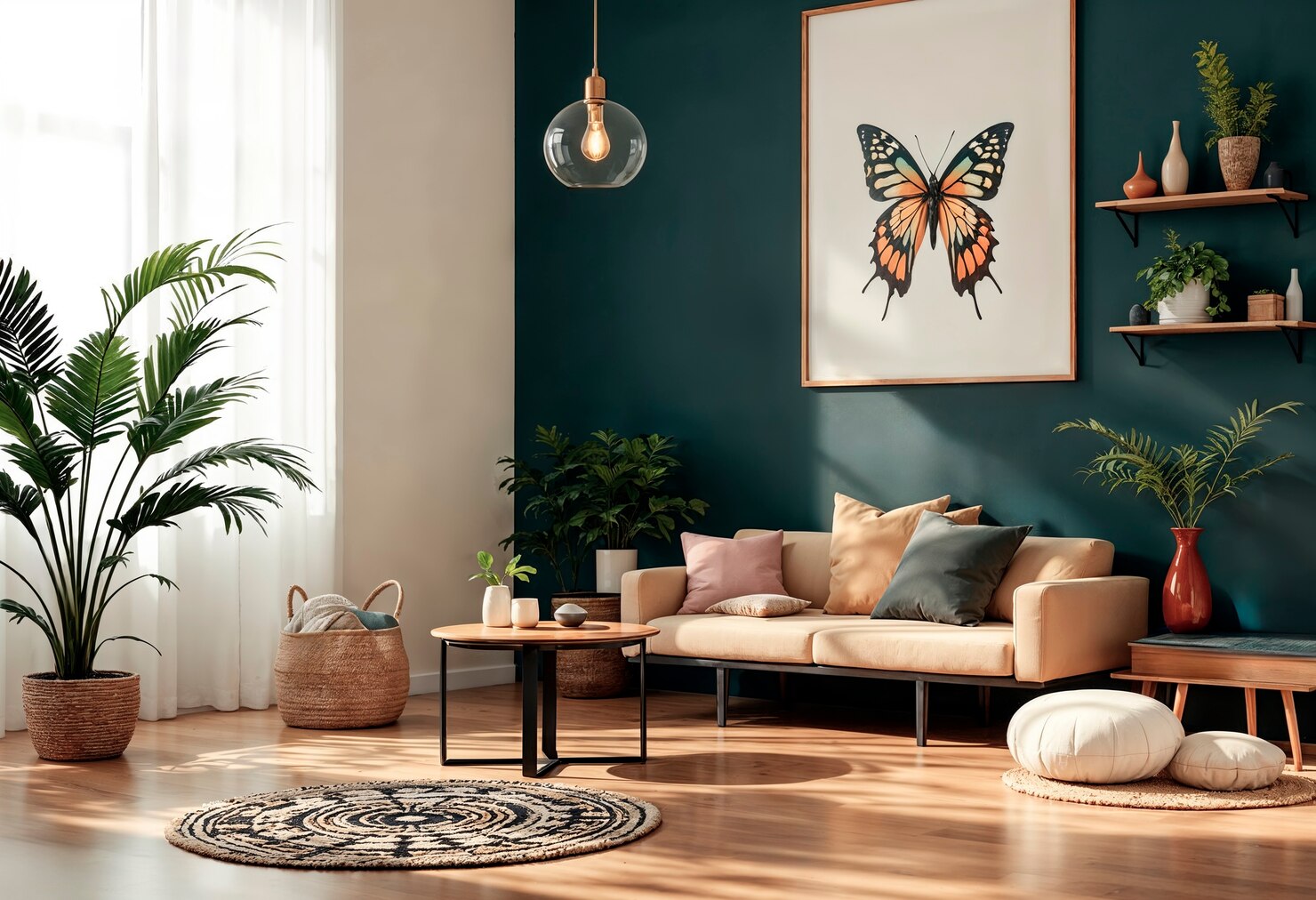
Minimalist vs decorative ceiling designs

Ceilings are often overlooked when planning a home interior, but they can significantly influence the overall appearance and atmosphere of a space. From clean, understated surfaces to elaborate decorative patterns, the right ceiling design can enhance the architecture, lighting, and character of a room. Choosing between minimalist and decorative ceiling designs depends on your home’s style, room size, lighting requirements, and personal preferences.
An experienced Interior designer can help you understand these factors and create a ceiling that complements the rest of your interiors rather than appearing disconnected from the overall design.
Understanding Minimalist Ceiling Designs
Minimalist ceiling designs focus on simplicity, clean lines, and functionality. They avoid excessive decorative elements and instead use subtle details to create an elegant and uncluttered appearance. A simple false ceiling with concealed lighting, recessed spotlights, or a sleek border can create a refined look without making the room feel visually heavy.
Minimalist ceilings work particularly well in modern apartments, compact homes, and contemporary villas. They can make a space feel more open because the design does not compete with furniture, wall finishes, or other decorative elements.
For example, a living room can feature a simple false ceiling with a recessed lighting arrangement around the perimeter. Soft indirect lighting can highlight the ceiling while creating a comfortable ambience. Similarly, bedrooms can benefit from simple ceiling layouts with warm lighting that supports a calm and relaxing atmosphere.
Understanding Decorative Ceiling Designs
Decorative ceiling designs take a more expressive approach. They may include layered false ceilings, intricate patterns, mouldings, wooden elements, metallic details, statement lighting, or ornamental designs. These features can become an important visual element within a room.
Decorative ceilings are suitable for homeowners who want their interiors to have a distinctive and luxurious character. They can work especially well in larger living rooms, dining areas, entrance spaces, entertainment rooms, and spacious bedrooms where there is enough room for the design to make an impact.
A decorative ceiling can also be used to define different zones within an open-plan home. For instance, a layered ceiling design above the dining area can visually separate it from the living room without requiring physical partitions.
Minimalist vs Decorative Ceiling Designs
When comparing minimalist and decorative ceiling designs, there is no single solution that works for every home. Each approach has its own advantages.
Minimalist designs generally provide a clean and contemporary appearance. They are easier to coordinate with different furniture styles, wall colours, flooring, and lighting fixtures. Because they use fewer decorative elements, they can also be a practical choice for smaller rooms.
Decorative ceilings, on the other hand, can add personality and visual richness. They provide more opportunities to experiment with shapes, materials, textures, and lighting. When carefully planned, a decorative ceiling can become the focal point of a room.
The choice should ultimately depend on how you want the space to look and function.
Ceiling Design and Room Size
Room dimensions are an important consideration when selecting a ceiling style. A heavily layered ceiling in a small room may make the space feel more enclosed. In such cases, a simple design with recessed or concealed lighting can maintain a sense of openness.
Larger rooms offer more flexibility. Decorative elements can be introduced without overwhelming the space. A spacious living room, for example, may accommodate a layered ceiling with cove lighting, statement fixtures, and carefully positioned recessed lights.
An Interior designer can assess the room’s proportions and recommend a ceiling layout that works with the available height and floor area.
The Role of Lighting
Lighting and ceiling design should be planned together. A beautiful ceiling can lose its impact if the lighting is poorly positioned, while a simple ceiling can look impressive with the right illumination.
Minimalist ceilings often use recessed spotlights, linear lights, and concealed LED strips. These lighting solutions maintain the clean appearance of the design.
Decorative ceilings can accommodate a wider variety of lighting options, including pendant lights, chandeliers, cove lighting, spotlights, and layered illumination. The lighting can be used to highlight specific ceiling features or architectural details.
The colour temperature of the lighting is also important. Warm lighting can create a cosy atmosphere in bedrooms and living spaces, while neutral lighting may be suitable for areas where a brighter and more functional environment is preferred.
Materials and Finishes
Material selection can further distinguish minimalist and decorative ceiling designs. Minimalist interiors often use smooth finishes, simple gypsum boards, subtle wood accents, or plain painted surfaces.
Decorative designs may incorporate wood, glass, mouldings, textured finishes, metallic accents, or combinations of different materials. However, using too many materials can make the ceiling appear visually crowded.
The ceiling should complement other interior elements. If the walls, flooring, and furniture already feature strong patterns, a simpler ceiling may create better visual balance. Conversely, a neutral interior may benefit from a more distinctive ceiling feature.
Maintenance and Practicality
Maintenance should also be considered before finalising a ceiling design. Simple ceilings generally have fewer elements that require cleaning or maintenance. This can make them suitable for homeowners who prefer practical and low-maintenance interiors.
Decorative ceilings may require additional care depending on the materials, lighting fixtures, and detailing used. Accessibility for electrical maintenance should also be considered during the design stage.
A professional Interior designer can plan access points, lighting placement, material selection, and ceiling height while keeping long-term practicality in mind.
Creating a Balanced Ceiling Design
The best ceiling design does not necessarily have to be completely minimalist or highly decorative. A balanced approach can combine elements from both styles.
For example, a simple false ceiling can be enhanced with a distinctive pendant light. A clean ceiling border can incorporate subtle cove lighting. Similarly, a wooden accent can be introduced into an otherwise minimalist ceiling to add warmth and texture without making the space look overly elaborate.
This approach allows homeowners to achieve character while maintaining visual simplicity.
Choosing the Right Ceiling for Your Home
When deciding between minimalist and decorative ceiling designs, consider the size of the room, ceiling height, natural light, furniture style, lighting requirements, maintenance needs, and overall interior theme.
A minimalist ceiling may be appropriate when the goal is to create a calm, spacious, and contemporary environment. A decorative ceiling may be more suitable when you want the ceiling itself to become a prominent design feature.
Working with an experienced Interior designer can make the decision easier. A professional can understand your preferences and translate them into a ceiling design that works with the architecture and functionality of your home.
Ultimately, the ideal ceiling is one that complements the entire interior. Whether you prefer the understated elegance of minimalism or the visual appeal of decorative detailing, thoughtful planning can ensure that your ceiling adds value, comfort, and character to your home.