Lighting for Relaxation and Utility: Creating the Perfect Balance in Every Room
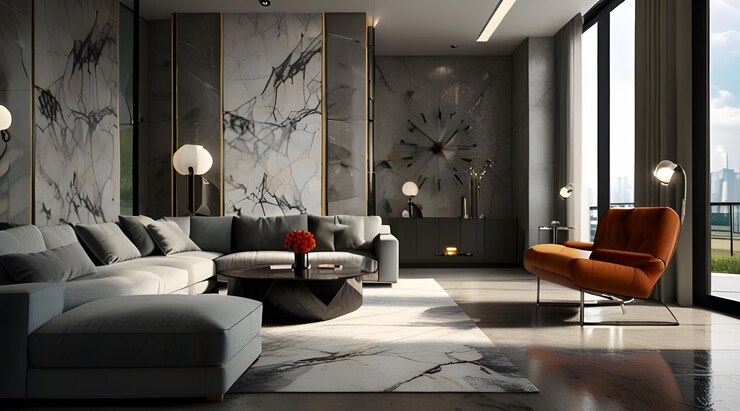
Lighting is one of the most important aspects of interior design, yet it is often overlooked. The right lighting transforms a house into a welcoming home by balancing comfort, functionality, and aesthetics. Whether you’re reading a book, preparing meals, working from home, or relaxing after a long day, the way a room is illuminated significantly impacts your experience.
Lighting for relaxation and utility is all about combining soft ambient lighting with practical task lighting to create spaces that are both beautiful and highly functional. Instead of relying on a single overhead light, modern interior design focuses on layered lighting that adapts to different activities and moods throughout the day.
In this guide, we’ll explore how to achieve the perfect balance of lighting in every room of your home.
Why Lighting Matters
Lighting does much more than brighten a room. It influences:
- Mood and emotional well-being
- Productivity and concentration
- Sleep quality
- Interior aesthetics
- Visual comfort
- Safety and accessibility
A thoughtfully planned lighting scheme ensures that every space serves its intended purpose while maintaining warmth and elegance.
Understanding Lighting Layers
The secret to effective Lighting for relaxation and utility lies in combining multiple layers of light.
1. Ambient Lighting
Ambient lighting provides the overall illumination of a room. It acts as the foundation of every lighting plan.
Common ambient lighting includes:
- Ceiling lights
- Recessed lighting
- Pendant lights
- Cove lighting
- Chandeliers
The goal is to distribute light evenly without creating harsh shadows.
2. Task Lighting
Task lighting focuses light where specific activities take place.
Examples include:
- Desk lamps
- Kitchen under-cabinet lights
- Reading lamps
- Vanity lighting
- Study lights
Good task lighting reduces eye strain while improving efficiency.
3. Accent Lighting
Accent lighting highlights architectural features and decorative elements.
Popular choices include:
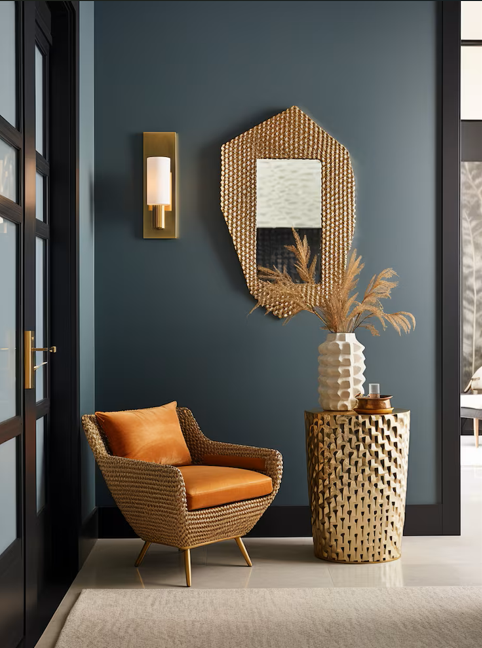
- Wall sconces
- Picture lights
- LED strip lighting
- Display cabinet lighting
- Shelf lighting
Accent lighting adds depth and sophistication to interiors.
Living Room Lighting
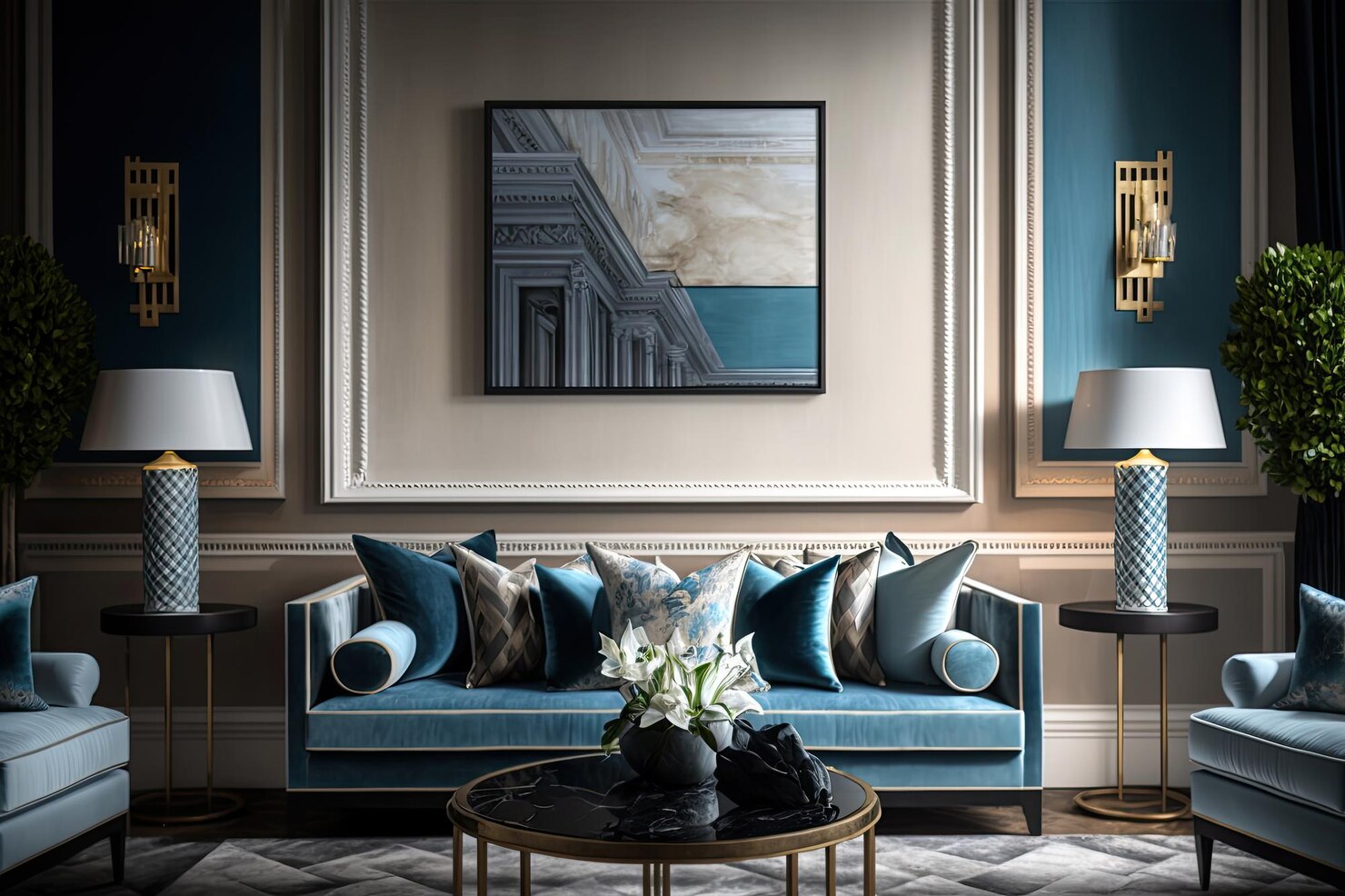
The living room is often used for multiple purposes—from entertaining guests to watching television or simply relaxing.
A balanced lighting plan should include:
- Warm ceiling lighting
- Floor lamps beside seating
- Table lamps for reading
- Accent lighting for artwork
- LED strips around shelves or TV units
Warm white lighting between 2700K and 3000K creates a calm, inviting atmosphere perfect for relaxation.
Bedroom Lighting
The bedroom should promote comfort and restful sleep.
For effective Lighting for relaxation and utility, consider:
- Soft ceiling lights
- Bedside reading lamps
- Dimmable lighting
- Wardrobe lighting
- Cove lighting behind the headboard
Avoid overly bright white lights before bedtime, as they can interfere with natural sleep cycles.
Kitchen Lighting
The kitchen requires more practical illumination than any other room.
Combine:
- Bright ceiling lighting
- Under-cabinet LED strips
- Pendant lights above islands
- Pantry lighting
- Sink task lighting
Cool white lighting between 3500K and 4000K improves visibility while cooking and food preparation.
Dining Room Lighting
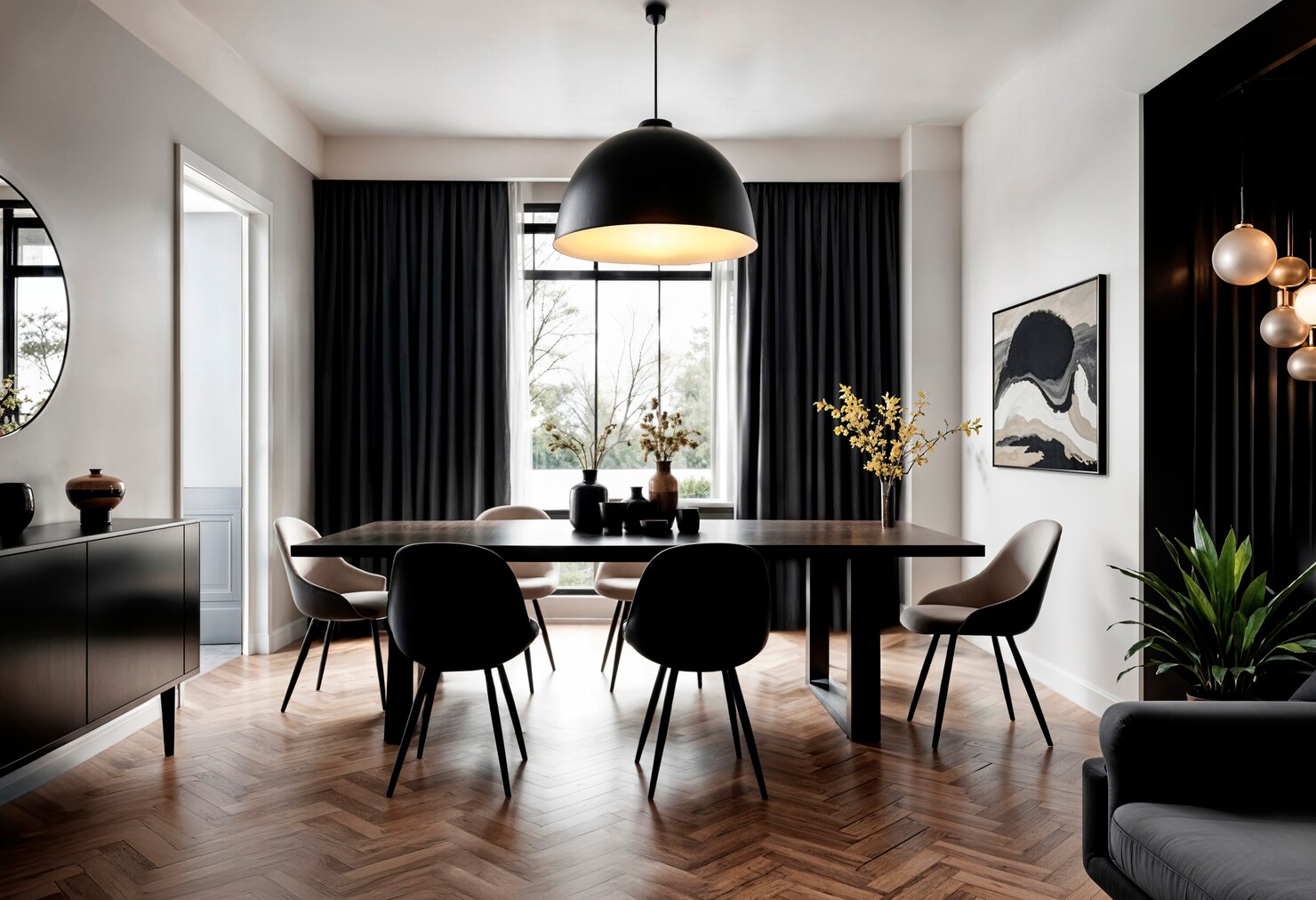
Lighting sets the mood for family meals and gatherings.
Popular choices include:
- Decorative pendant lights
- Chandeliers
- Wall sconces
- Dimmable fixtures
The fixture should hang approximately 30–36 inches above the dining table for balanced illumination.
Bathroom Lighting
Bathrooms need both comfort and functionality.
Ideal lighting includes:
- Vanity lights on both sides of the mirror
- Ceiling lighting
- Shower lighting
- Soft night lighting
Neutral white lighting around 3000K–3500K provides accurate color reflection while remaining comfortable.
Home Office Lighting
Remote work has made lighting more important than ever.
Your workspace should include:
- Adjustable desk lamp
- Ambient ceiling light
- Natural daylight when possible
- Anti-glare lighting
- Proper monitor positioning
Good office lighting improves productivity while reducing eye fatigue.
Choosing the Right Color Temperature
Color temperature affects the mood of every room.
Warm White (2700K–3000K)
Best for:
- Bedrooms
- Living rooms
- Dining rooms
Creates a cozy and relaxing atmosphere.
Neutral White (3500K–4000K)
Ideal for:
- Kitchens
- Bathrooms
- Home offices
Provides balanced brightness without feeling harsh.
Cool White (5000K+)
Suitable for:
- Garages
- Utility rooms
- Workshops
Offers maximum visibility for detailed tasks.
Benefits of Dimmable Lighting
One of the easiest ways to improve Lighting for relaxation and utility is by installing dimmer switches.
Benefits include:
- Adjustable brightness
- Energy savings
- Longer bulb life
- Better ambiance
- Greater flexibility for different activities
A single room can transition from bright workspace to cozy retreat with just a simple adjustment.
Maximizing Natural Light
Artificial lighting works best when combined with natural daylight.
To maximize sunlight:
- Use sheer curtains
- Position mirrors opposite windows
- Choose light-colored walls
- Avoid blocking windows with bulky furniture
- Install larger windows where possible
Natural light improves mood while reducing electricity usage during the day.
Smart Lighting Solutions
Smart home technology makes lighting more convenient and efficient.
Popular features include:
- Voice-controlled lighting
- Mobile app controls
- Automated schedules
- Motion sensors
- Color-changing LEDs
- Scene settings
You can instantly switch between “Work Mode,” “Movie Night,” or “Relaxation Mode” with a single command.
Common Lighting Mistakes
Avoid these common design errors:
- Using only one ceiling light
- Ignoring task lighting
- Mixing mismatched color temperatures
- Over-lighting small rooms
- Placing fixtures incorrectly
- Forgetting dimmer controls
Proper planning ensures each room feels comfortable while remaining practical.
Energy-Efficient Lighting
LED lighting has become the preferred choice for modern homes.
Advantages include:
- Lower electricity consumption
- Longer lifespan
- Reduced maintenance
- Better brightness control
- Eco-friendly performance
LED fixtures also integrate seamlessly with smart home systems.
Final Thoughts
Creating the ideal Lighting for relaxation and utility involves more than selecting attractive fixtures. It requires understanding how each room functions and layering ambient, task, and accent lighting to meet both practical and emotional needs.
Whether you’re designing a new home or renovating an existing one, investing in a well-planned lighting strategy enhances comfort, improves productivity, and elevates the overall appearance of your interiors. By choosing the right color temperatures, incorporating dimmable fixtures, maximizing natural light, and embracing energy-efficient technology, you can create living spaces that are both relaxing and highly functional.
The perfect lighting design isn’t just about brightness—it’s about creating an environment where every moment feels comfortable, purposeful, and beautifully illuminated.