Flooring and Rug Choices: A Complete Guide from an Interior Designer
When designing a beautiful and functional space, flooring and rug choices play a major role in defining the overall look and feel of your home or commercial interior. The right combination of flooring materials and rugs can transform an ordinary room into a warm, elegant, and inviting environment. Whether you are renovating your home or designing a new space, consulting an Interior designer can help you make informed decisions that enhance both aesthetics and functionality.
In this guide, we’ll explore how to choose the perfect flooring and rugs for different spaces while understanding the factors that influence durability, comfort, maintenance, and style.
Why Flooring Matters in Interior Design
Flooring is one of the largest visual elements in any room. It serves as the foundation upon which furniture, décor, lighting, and accessories come together. A carefully selected floor can make a room appear larger, brighter, cozier, or more luxurious.
An experienced Interior designer considers several factors before recommending flooring options, including:
- Room functionality
- Traffic levels
- Moisture exposure
- Budget
- Maintenance requirements
- Lifestyle and family needs
- Overall design theme
Choosing the wrong flooring can result in higher maintenance costs and reduced comfort, making professional guidance valuable.
Popular Flooring Options
1. Hardwood Flooring
Hardwood flooring remains one of the most popular choices due to its timeless beauty and durability.
Advantages:
- Elegant appearance
- Long lifespan
- Easy to refinish
- Increases property value
Best for:
- Living rooms
- Bedrooms
- Dining areas
- Home offices
Pairing hardwood with a soft area rug creates warmth while protecting the floor from scratches.
2. Vinyl Flooring
Luxury vinyl flooring has become increasingly popular because it combines affordability with impressive durability.
Benefits include:
- Water resistance
- Scratch resistance
- Low maintenance
- Wide variety of finishes
An Interior designer often recommends vinyl flooring for busy households with children and pets.
3. Tile Flooring
Ceramic and porcelain tiles offer exceptional durability and moisture resistance.
Ideal spaces include:
- Kitchens
- Bathrooms
- Utility rooms
- Balconies
Area rugs help soften tiled spaces and make them feel more welcoming.
4. Laminate Flooring
Laminate flooring offers the appearance of wood without the high price tag.
Benefits include:
- Cost-effective
- Easy installation
- Scratch-resistant
- Simple maintenance
It works well in apartments and modern homes looking for an affordable flooring solution.
5. Natural Stone Flooring
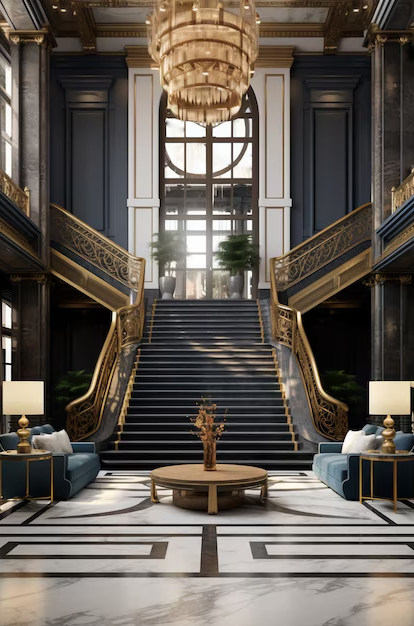
Marble, granite, slate, and travertine provide unmatched luxury.
These flooring materials are commonly used in:
- Luxury homes
- Villas
- Hotel lobbies
- Premium commercial interiors
A skilled Interior designer carefully balances natural stone with elegant rugs to prevent the room from feeling too cold or formal.
Understanding Rug Choices
While flooring creates the base, rugs add personality, warmth, comfort, and texture.
The right rug can:
- Define seating areas
- Add color and pattern
- Improve acoustics
- Protect flooring
- Enhance comfort
- Create visual balance
Choosing the wrong rug size or style can make even a beautifully designed room appear incomplete.
Choosing the Right Rug Size
One of the biggest mistakes homeowners make is purchasing rugs that are too small.
General recommendations include:
Living Room
Place the front legs of sofas and chairs on the rug to create a connected seating arrangement.
Bedroom
Choose a rug large enough to extend beyond both sides of the bed for a luxurious appearance.
Dining Room
The rug should extend at least 24 inches beyond the dining table so chairs remain on the rug when pulled out.
Hallways
Use runners that leave several inches of visible flooring on both sides.
An Interior designer ensures the rug proportions complement the furniture layout rather than competing with it.
Selecting Rug Materials
Different materials offer different benefits.
Wool Rugs
Wool rugs are soft, durable, naturally stain-resistant, and perfect for high-quality interiors.
Cotton Rugs
Cotton rugs are lightweight, affordable, and easy to clean, making them ideal for casual spaces.
Jute Rugs
Natural jute rugs provide earthy texture and complement modern, Scandinavian, and bohemian interiors.
Synthetic Rugs
Materials such as polypropylene and polyester are budget-friendly, stain-resistant, and suitable for high-traffic areas.
Matching Rugs with Flooring
The best interiors achieve harmony between flooring and rugs rather than allowing one to overpower the other.
Light Flooring
Light-colored flooring pairs beautifully with:
- Navy rugs
- Charcoal rugs
- Patterned designs
- Earth-tone textures
Dark Flooring
Dark flooring works well with:
- Cream rugs
- Beige rugs
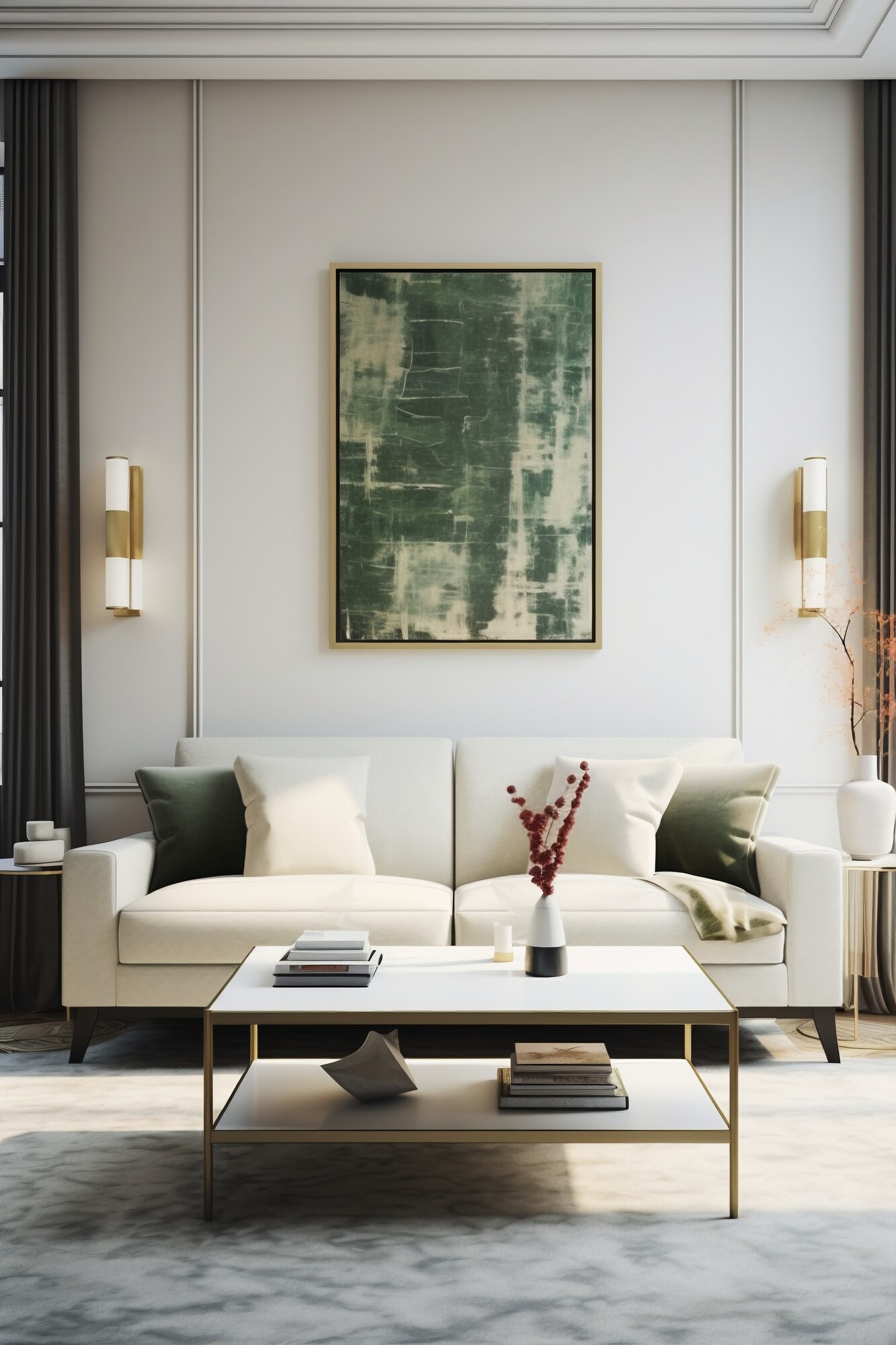
- Light gray rugs
- Soft neutral patterns
Patterned Flooring
When flooring already has strong visual interest, choose simpler rugs with subtle textures to maintain balance.
An experienced Interior designer carefully considers contrast, texture, and color coordination to create visually appealing interiors.
Flooring and Rug Choices for Every Room
Living Room
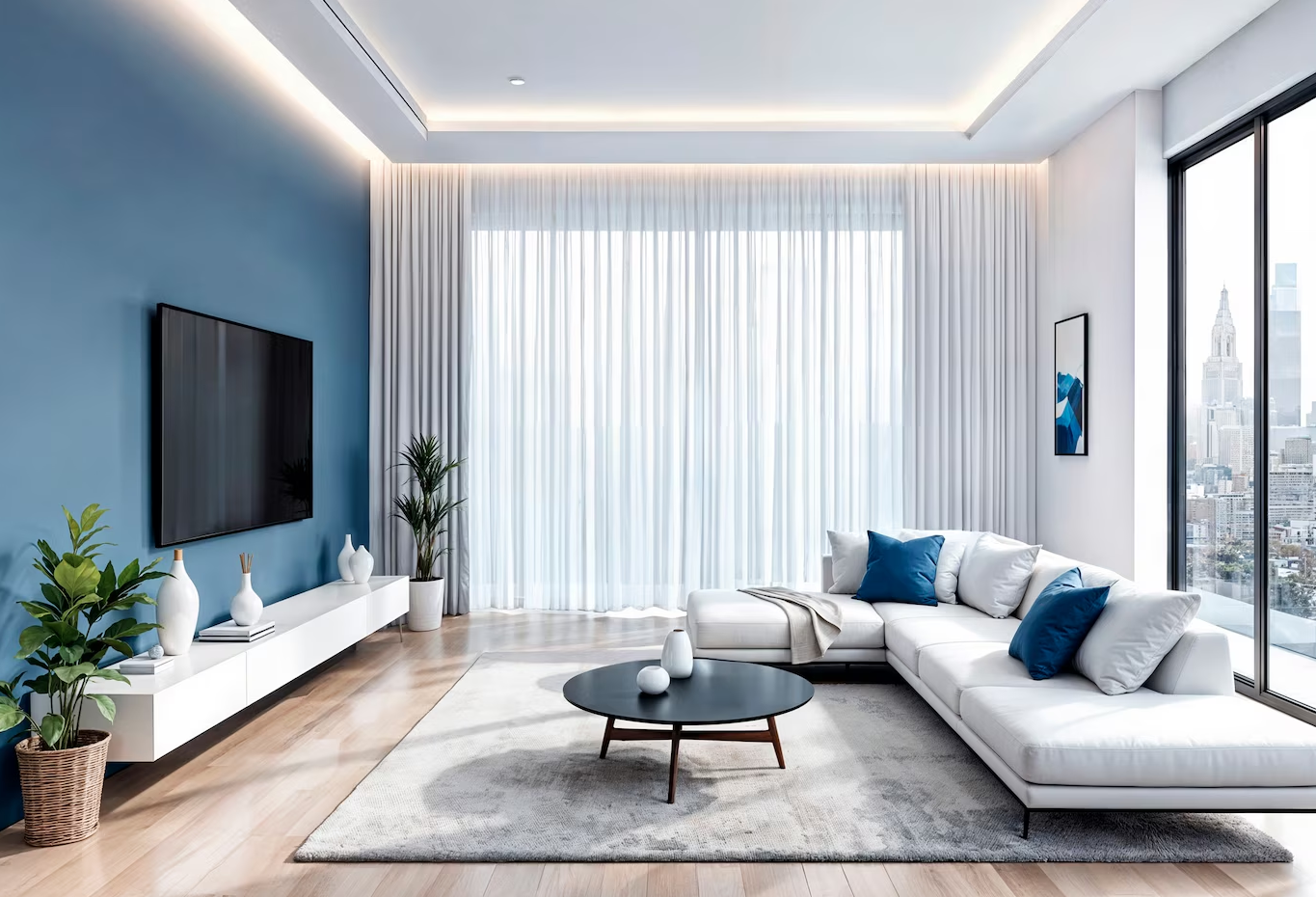
Focus on comfort and style. Hardwood or vinyl flooring paired with a large textured rug creates a welcoming atmosphere.
Bedroom
Soft flooring or layered rugs increase comfort, especially during colder months.
Kitchen
Choose durable flooring like tile or luxury vinyl and use washable rugs near sinks or cooking areas.
Bathroom
Water-resistant flooring combined with quick-drying bath rugs ensures both safety and convenience.
Home Office
Laminate or hardwood flooring with an ergonomic rug beneath the desk reduces noise while adding warmth.
Current Trends in Flooring and Rug Choices
Modern interior design continues to evolve with changing lifestyles.
Some popular trends include:
- Sustainable flooring materials
- Waterproof luxury vinyl
- Large-format porcelain tiles
- Wide-plank wooden flooring
- Layered rugs
- Neutral color palettes
- Handmade textured rugs
- Natural fibers
- Minimalist patterns
A professional Interior designer keeps up with these trends while ensuring your home reflects your personal taste rather than simply following fashion.
Maintenance Tips
Proper maintenance extends the lifespan of both flooring and rugs.
For flooring:
- Sweep regularly.
- Clean spills immediately.
- Use furniture pads.
- Avoid excessive moisture on wood floors.
For rugs:
- Vacuum weekly.
- Rotate every few months.
- Spot-clean stains quickly.
- Schedule professional cleaning annually for premium rugs.
Maintaining both elements together preserves the beauty of your interior for years.
Why Hire an Interior Designer?
Choosing flooring and rugs involves more than selecting attractive materials. Every decision affects comfort, maintenance, lighting, acoustics, and overall design harmony.
A qualified Interior designer helps you:
- Select suitable materials
- Stay within budget
- Coordinate colors and textures
- Maximize room proportions
- Improve long-term durability
- Avoid costly design mistakes
Professional expertise ensures every room feels balanced, functional, and visually appealing.
Conclusion
Thoughtful flooring and rug choices are essential to creating interiors that are both beautiful and practical. From hardwood and luxury vinyl to natural stone and stylish rugs, every element contributes to the overall atmosphere of your home. By carefully considering room function, maintenance, material quality, and design aesthetics, you can create spaces that remain timeless for years.
Working with an experienced Interior designer makes the process much easier, helping you choose flooring and rugs that perfectly complement your lifestyle while enhancing the character of every room. Whether you’re designing a cozy apartment, a spacious villa, or a modern office, the right flooring and rug combination forms the perfect foundation for exceptional interior design.