Lighting as a design element
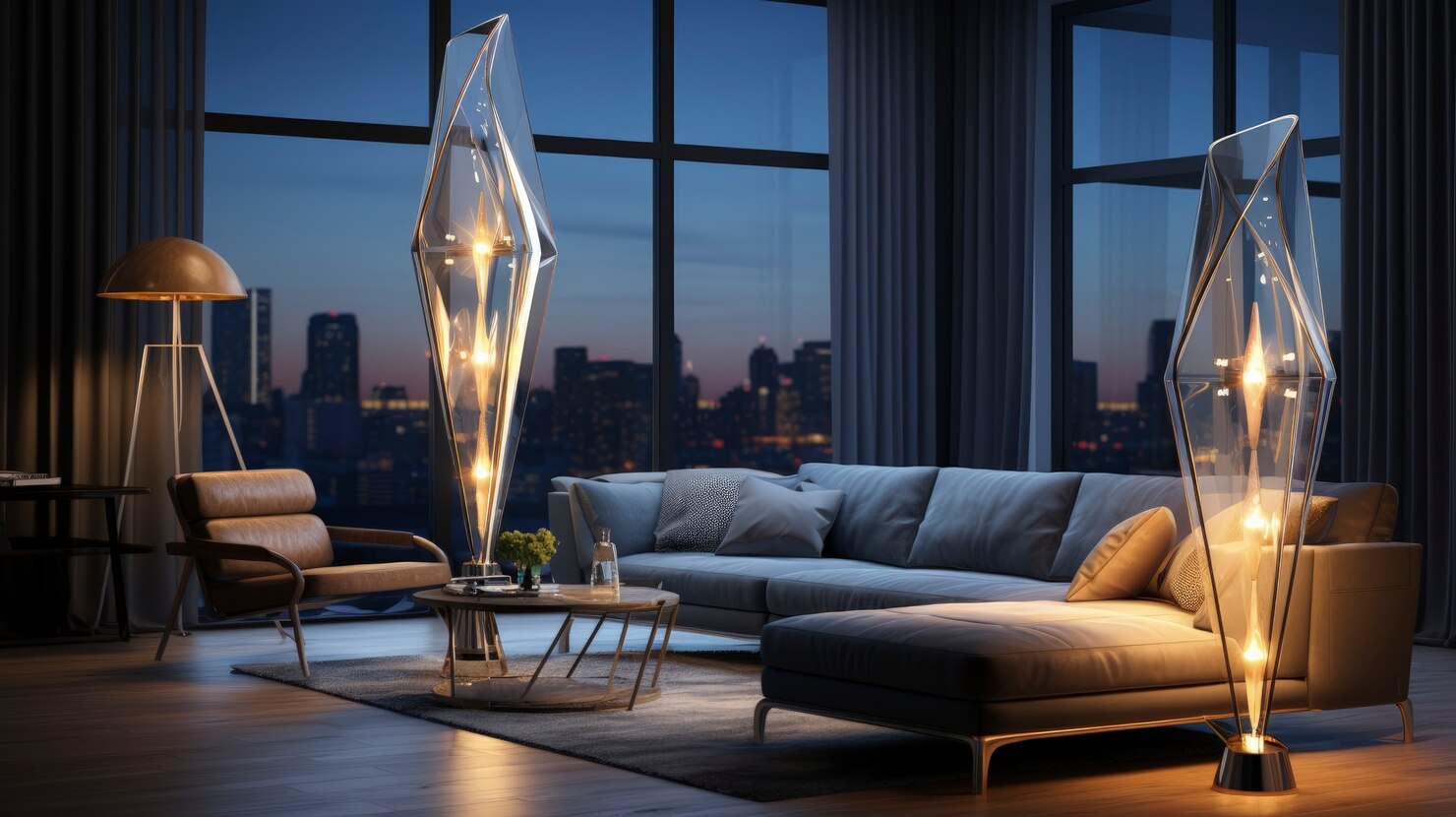
Lighting is no longer just a functional necessity—it has evolved into a powerful creative tool that shapes how we experience spaces. Lighting as a design element plays a crucial role in defining mood, enhancing aesthetics, and influencing the perception of interiors. Whether in residential, commercial, or hospitality settings, thoughtful lighting design can completely transform an environment.
Understanding Lighting Beyond Illumination
At its core, lighting provides visibility, but its impact goes far deeper. When used strategically, lighting can highlight architectural features, create visual balance, and guide movement within a space. Designers today treat lighting as an integral part of the overall design language, rather than an afterthought.
Lighting as a design element allows designers to sculpt spaces using light and shadow. The intensity, color, direction, and placement of light sources all contribute to the final ambiance. A well-lit room feels inviting and functional, while poor lighting can make even the most beautifully designed space feel dull or uncomfortable.
Types of Lighting in Design
To effectively use Lighting as a design element, it is important to understand the three primary types of lighting:
- Ambient Lighting
This is the general illumination that fills a room. It ensures overall visibility and sets the base layer of lighting. Examples include ceiling fixtures, chandeliers, and recessed lighting. - Task Lighting
Task lighting focuses on specific areas where activities such as reading, cooking, or working take place. Desk lamps, under-cabinet lights, and vanity lights fall into this category. - Accent Lighting
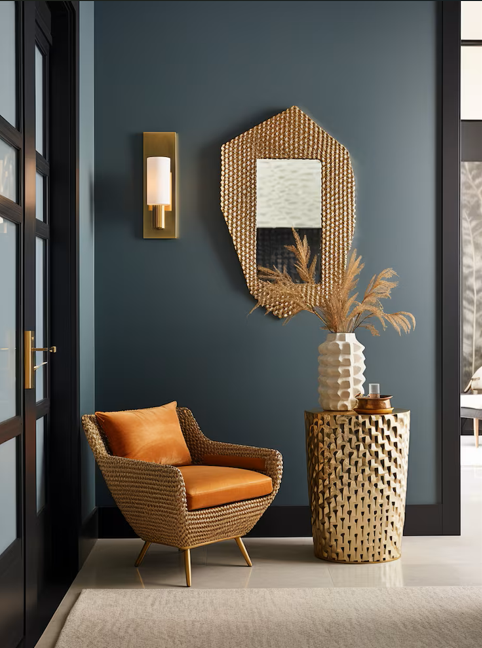
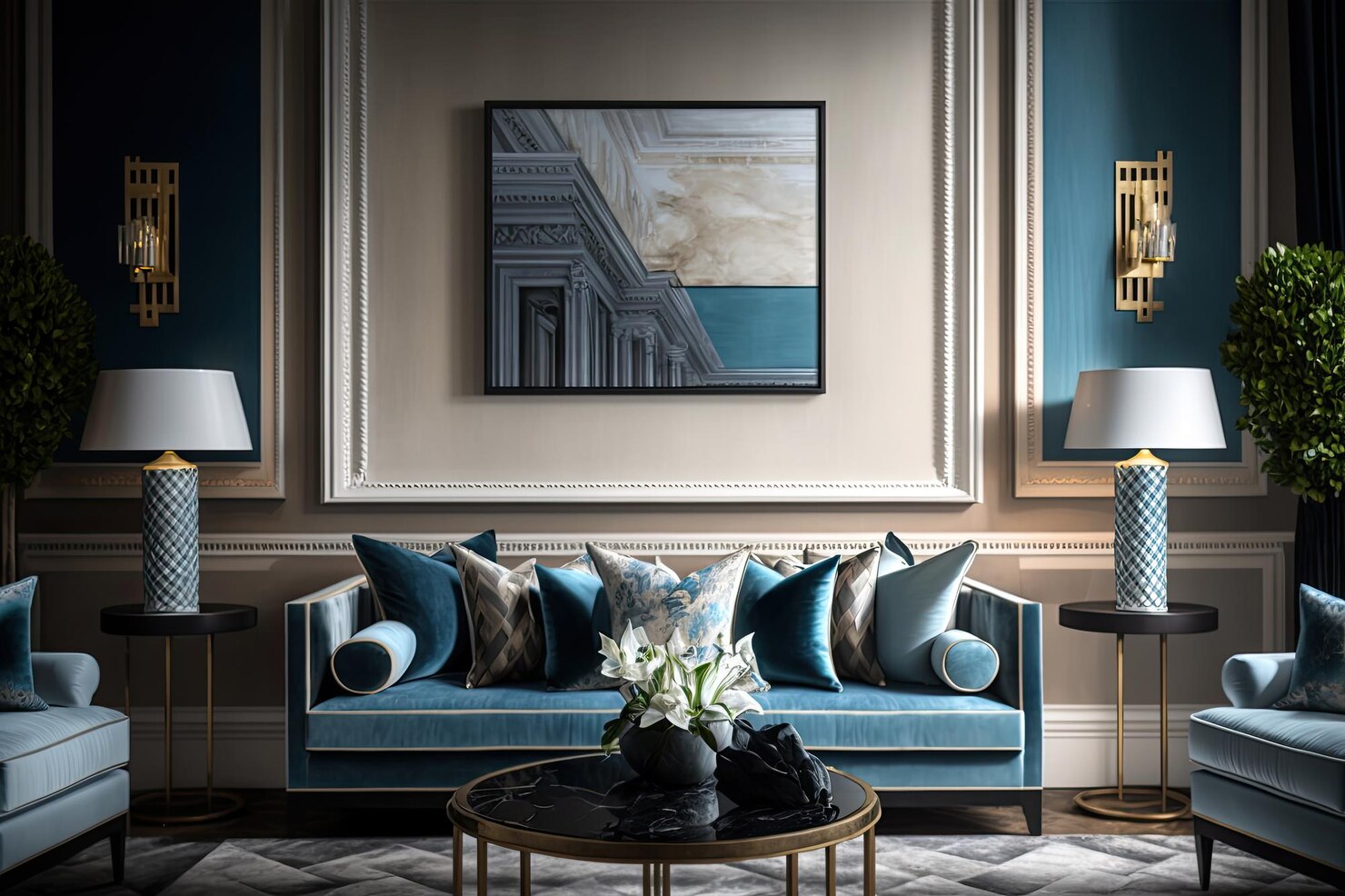
Accent lighting is used to highlight particular features like artwork, textures, or architectural details. Spotlights and wall-mounted fixtures are commonly used for this purpose.
Combining these layers effectively is key to mastering Lighting as a design element, as it creates depth and dimension within a space.
The Role of Lighting in Mood and Atmosphere
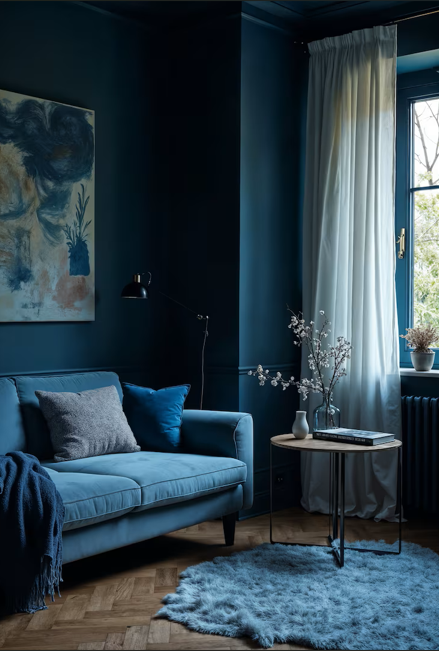
Lighting has a profound psychological impact. Warm lighting creates a cozy and intimate atmosphere, making it ideal for living rooms and bedrooms. On the other hand, cool lighting promotes alertness and is often used in offices and workspaces.
By adjusting brightness and color temperature, designers can tailor environments to suit specific needs. For instance, dimmable lighting systems allow users to shift from a bright, energetic setting to a relaxed ambiance effortlessly. This flexibility is a major reason why Lighting as a design element is gaining importance in modern interiors.
Enhancing Aesthetics Through Lighting
Lighting can enhance textures, colors, and materials in a space. For example, a soft light can bring out the richness of wooden surfaces, while directional lighting can emphasize the texture of stone or fabric.
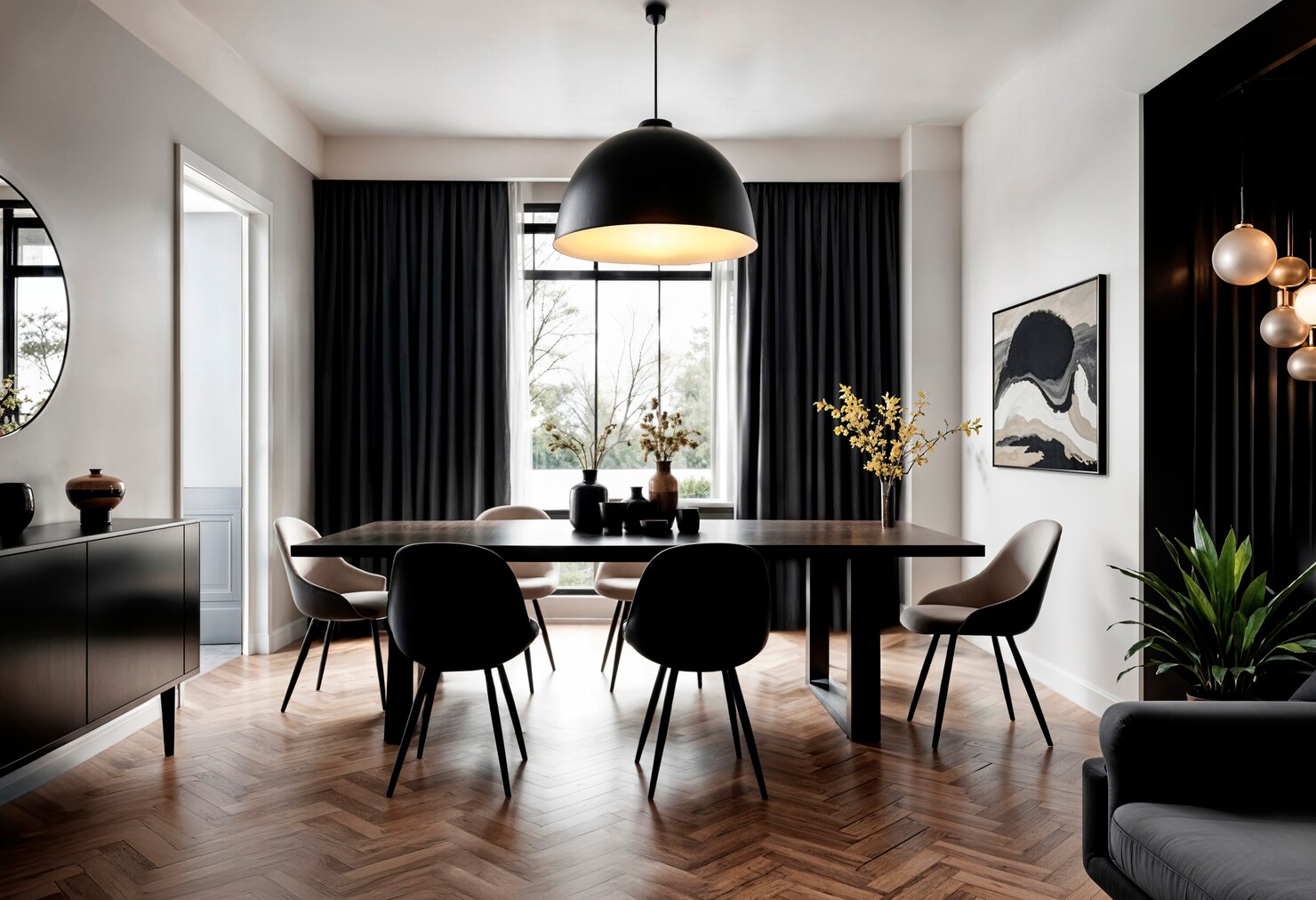
Statement lighting fixtures, such as pendant lights or artistic chandeliers, also serve as focal points. These elements not only provide illumination but also act as decorative features that elevate the overall design. Incorporating such pieces demonstrates how Lighting as a design element blends functionality with artistic expression.
Lighting and Spatial Perception
One of the most fascinating aspects of lighting is its ability to alter how we perceive space. Proper lighting can make a small room appear larger or a large space feel more intimate.
- Upward lighting can make ceilings appear higher.
- Wall washing techniques can expand the perceived width of a room.
- Strategic shadows can add depth and character.
By using these techniques, designers leverage Lighting as a design element to manipulate spatial perception and create visually engaging environments.
Sustainability and Modern Lighting Trends
With the growing emphasis on sustainability, energy-efficient lighting solutions have become a key focus. LED technology, for instance, consumes less energy and has a longer lifespan compared to traditional bulbs.
Smart lighting systems are another emerging trend. These systems allow users to control brightness, color, and timing through mobile apps or voice commands. This not only enhances convenience but also optimizes energy usage.
Incorporating eco-friendly and smart solutions highlights how Lighting as a design element aligns with modern demands for sustainability and innovation.
Practical Tips for Using Lighting as a Design Element
To effectively incorporate lighting into your design, consider the following tips:
- Layer your lighting: Combine ambient, task, and accent lighting for a balanced effect.
- Use dimmers: They provide flexibility and help adjust the mood.
- Focus on placement: Proper positioning ensures functionality and enhances aesthetics.
- Choose the right color temperature: Match lighting tones to the purpose of the space.
- Highlight key features: Use accent lighting to draw attention to focal points.
These strategies make it easier to utilize Lighting as a design element in a way that is both practical and visually appealing.
Conclusion
Lighting is one of the most powerful yet often underestimated aspects of design. It influences how we see, feel, and interact with a space. By treating Lighting as a design element, designers can create environments that are not only functional but also emotionally engaging and visually striking.
From enhancing aesthetics to shaping mood and improving spatial perception, lighting plays a multifaceted role in modern design. As technology continues to evolve, the possibilities for creative lighting solutions will only expand, making it an essential component of any successful design project.