Sustainable and eco-friendly materials
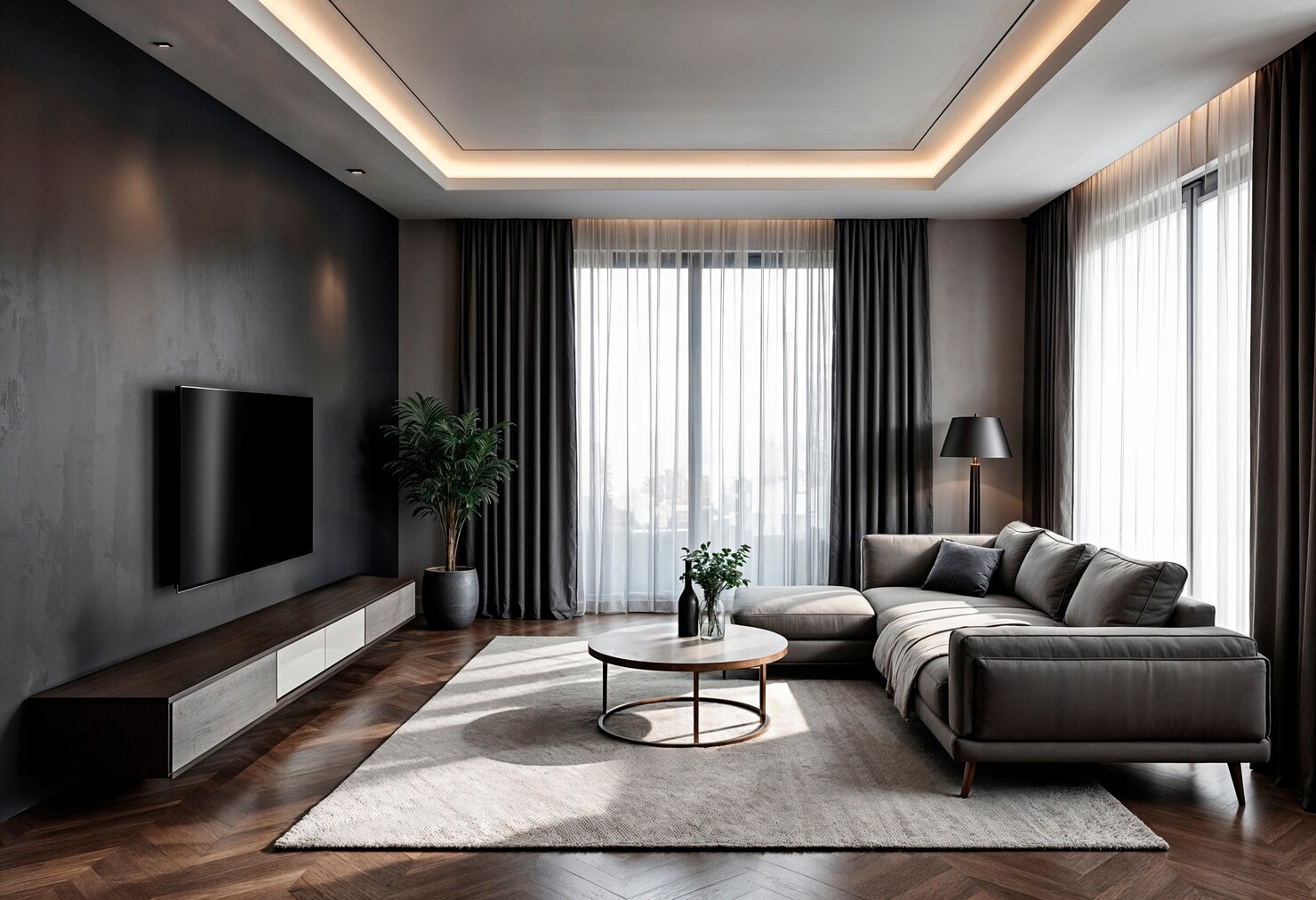
Sustainability is no longer just a trend—it has become a necessity in modern living. As homeowners become more conscious of their environmental impact, the demand for eco-friendly interiors is steadily rising. Today, interior designers in Chennai are embracing sustainable practices by incorporating environmentally responsible materials that not only enhance aesthetics but also contribute to a healthier planet.
Why Sustainable Materials Matter
The materials used in interior design play a significant role in environmental conservation. Conventional materials often involve high energy consumption, toxic chemicals, and non-renewable resources. In contrast, eco-friendly materials are sourced responsibly, have minimal environmental impact, and are often recyclable or biodegradable.
By choosing sustainable materials, homeowners can reduce their carbon footprint, improve indoor air quality, and create spaces that promote well-being. This is why many interior designers in Chennai are shifting towards greener alternatives that align with global sustainability goals.
Popular Eco-Friendly Materials for Interiors
1. Bamboo
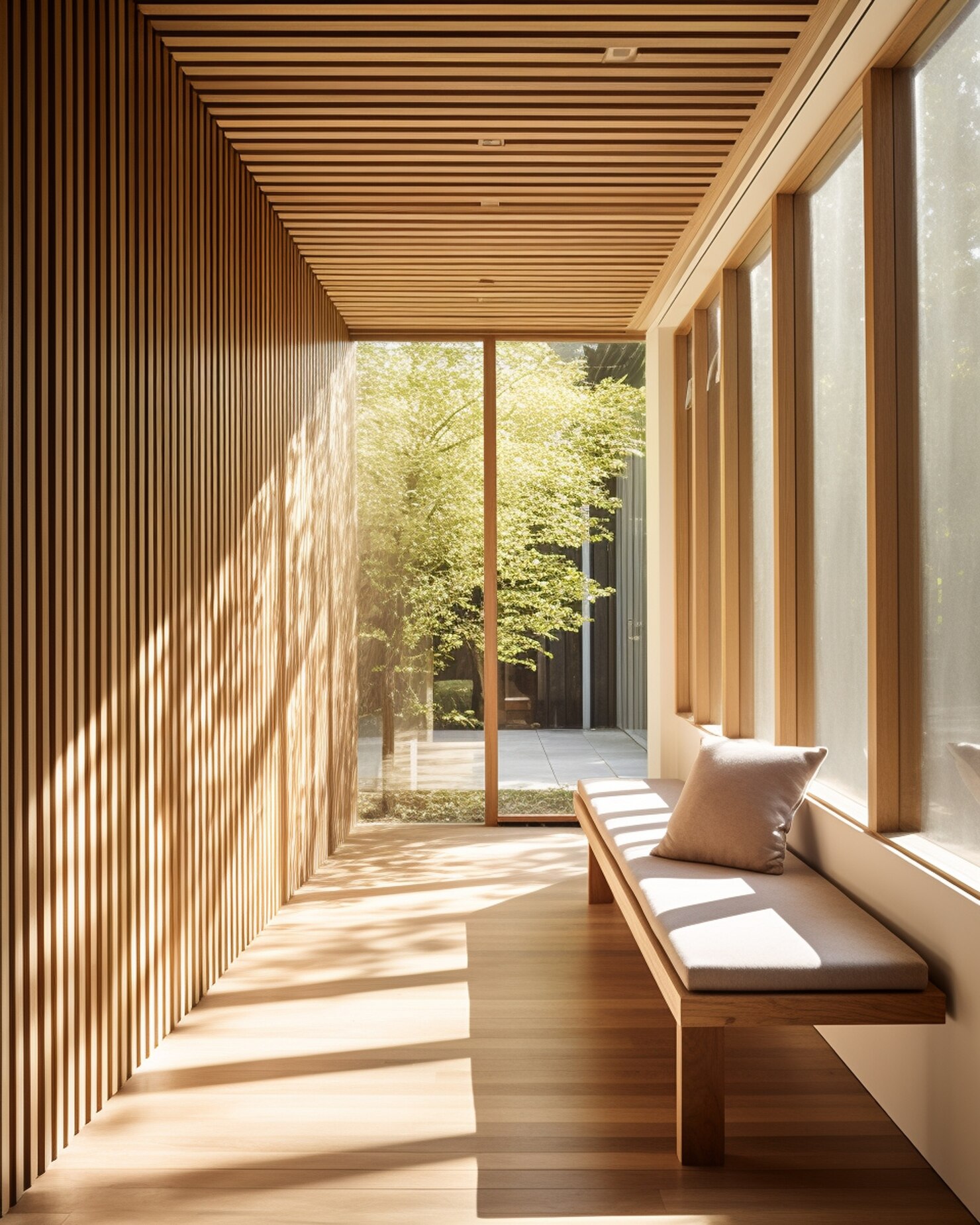
Bamboo is one of the most sustainable materials available. It grows rapidly and regenerates naturally without the need for replanting. Its durability and versatility make it ideal for flooring, furniture, and decorative elements. Bamboo adds a warm, natural touch to interiors while being highly eco-friendly.
2. Reclaimed Wood
Reclaimed or recycled wood is sourced from old structures, furniture, or industrial buildings. Using reclaimed wood reduces the need for cutting down new trees and gives a second life to existing materials. It brings a rustic and unique character to interiors, making each piece one-of-a-kind.
3. Cork
Cork is harvested from the bark of cork oak trees without harming the tree itself. It is a renewable, biodegradable material that is commonly used for flooring and wall coverings. Cork also offers excellent insulation properties, making it energy-efficient.
4. Recycled Metal and Glass
Recycled metals and glass are widely used in modern interiors for fixtures, furniture, and decorative items. These materials reduce waste and energy consumption associated with producing new materials. They also add a sleek, contemporary look to spaces.
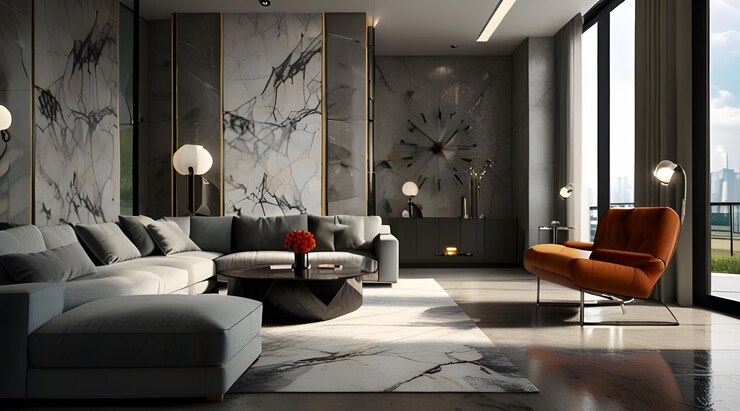
5. Natural Stone
Natural stones like granite, marble, and slate are durable and long-lasting. When sourced responsibly, they can be a sustainable choice. Their timeless appeal ensures that interiors remain stylish for years, reducing the need for frequent renovations.
6. Low-VOC Paints and Finishes
Traditional paints release volatile organic compounds (VOCs) that can harm indoor air quality. Low-VOC or zero-VOC paints are a safer alternative, ensuring healthier living spaces. Many interior designers in Chennai prioritize these paints to create toxin-free environments.
Benefits of Eco-Friendly Interior Design
Healthier Living Spaces
Eco-friendly materials are free from harmful chemicals, reducing the risk of allergies and respiratory issues. This is especially important for families with children or elderly members.
Energy Efficiency
Sustainable materials often have better insulation properties, helping to maintain indoor temperatures and reduce energy consumption.
Cost Savings in the Long Run
While some eco-friendly materials may have a higher upfront cost, their durability and energy efficiency lead to long-term savings on maintenance and utility bills.
Aesthetic Appeal
Sustainable materials offer a natural, timeless beauty that enhances the overall look of interiors. From earthy textures to modern finishes, they provide a wide range of design possibilities.
Sustainable Design Practices
Beyond materials, sustainable interior design also involves mindful practices such as:
- Maximizing natural light to reduce electricity usage
- Incorporating indoor plants for better air quality
- Choosing energy-efficient lighting and appliances
- Using locally sourced materials to reduce transportation emissions
Leading interior designers in Chennai are integrating these practices into their projects to create spaces that are both stylish and environmentally responsible.
The Growing Demand in Chennai
Chennai, with its evolving urban landscape, is witnessing a growing demand for sustainable homes. Homeowners are increasingly seeking designs that reflect their environmental values. This has encouraged interior designers in Chennai to innovate and adopt eco-friendly solutions tailored to the local climate and lifestyle.
From compact apartments to luxury villas, sustainable design is becoming a key consideration. Designers are blending traditional materials with modern techniques to create interiors that are both functional and eco-conscious.
Conclusion
Sustainable and eco-friendly materials are shaping the future of interior design. They offer a perfect balance between style, functionality, and environmental responsibility. As awareness continues to grow, more homeowners are turning to interior designers in Chennai to create spaces that are not only beautiful but also sustainable.
By choosing the right materials and design practices, you can contribute to a greener future while enjoying a healthier and more comfortable living environment.