Design style compatibility
Designing a home is not just about selecting furniture or choosing colors—it’s about creating a space that reflects your personality, lifestyle, and comfort. One of the most important aspects of successful home design is design style compatibility. When every element in a space complements each other, the result is a balanced and visually pleasing environment. This is why many homeowners rely on professional interior designers in Chennai to achieve a harmonious design that suits their preferences and living needs.
Understanding Design Style Compatibility
Design style compatibility refers to how well different design elements work together in a space. This includes colors, furniture styles, materials, textures, lighting, and decorative accessories. When these elements are compatible, the space feels cohesive and intentional rather than random or cluttered.
For example, pairing minimalist furniture with overly ornate décor can create a visual mismatch. On the other hand, combining clean lines, neutral colors, and subtle textures can produce a calm and modern aesthetic.
Professional interior designers in Chennai carefully consider these details to ensure every part of the design aligns with the chosen style and the homeowner’s vision.
Popular Interior Design Styles
Before creating compatibility, it’s important to identify the design style you prefer. Some popular styles include:
Modern Style
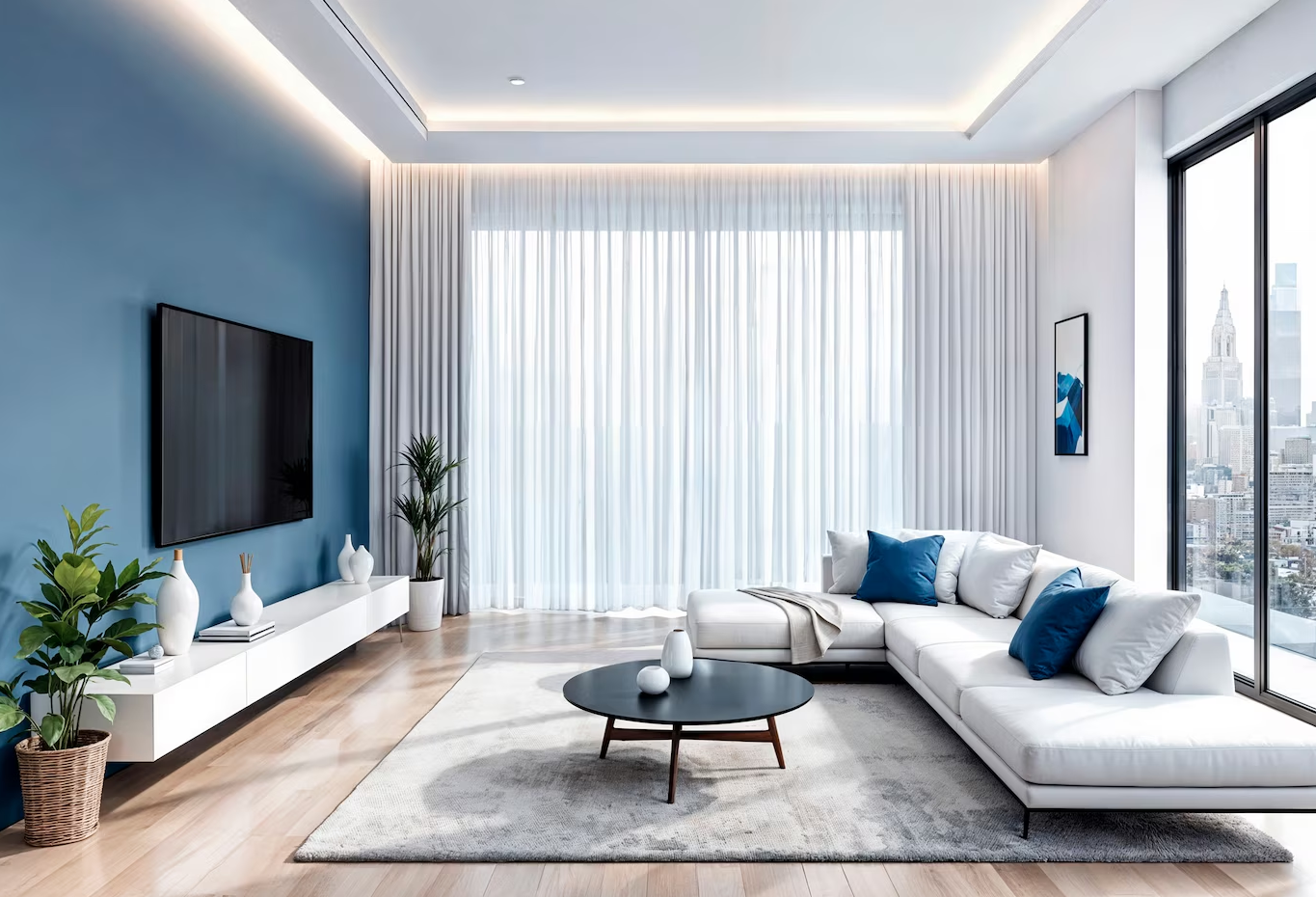
Modern interiors focus on simplicity, clean lines, and neutral color palettes. Furniture is functional, and decoration is minimal. Glass, metal, and polished surfaces are often used.
Contemporary Style
Often confused with modern design, contemporary style reflects current trends. It may include bold accents, innovative materials, and flexible layouts.
Traditional Style
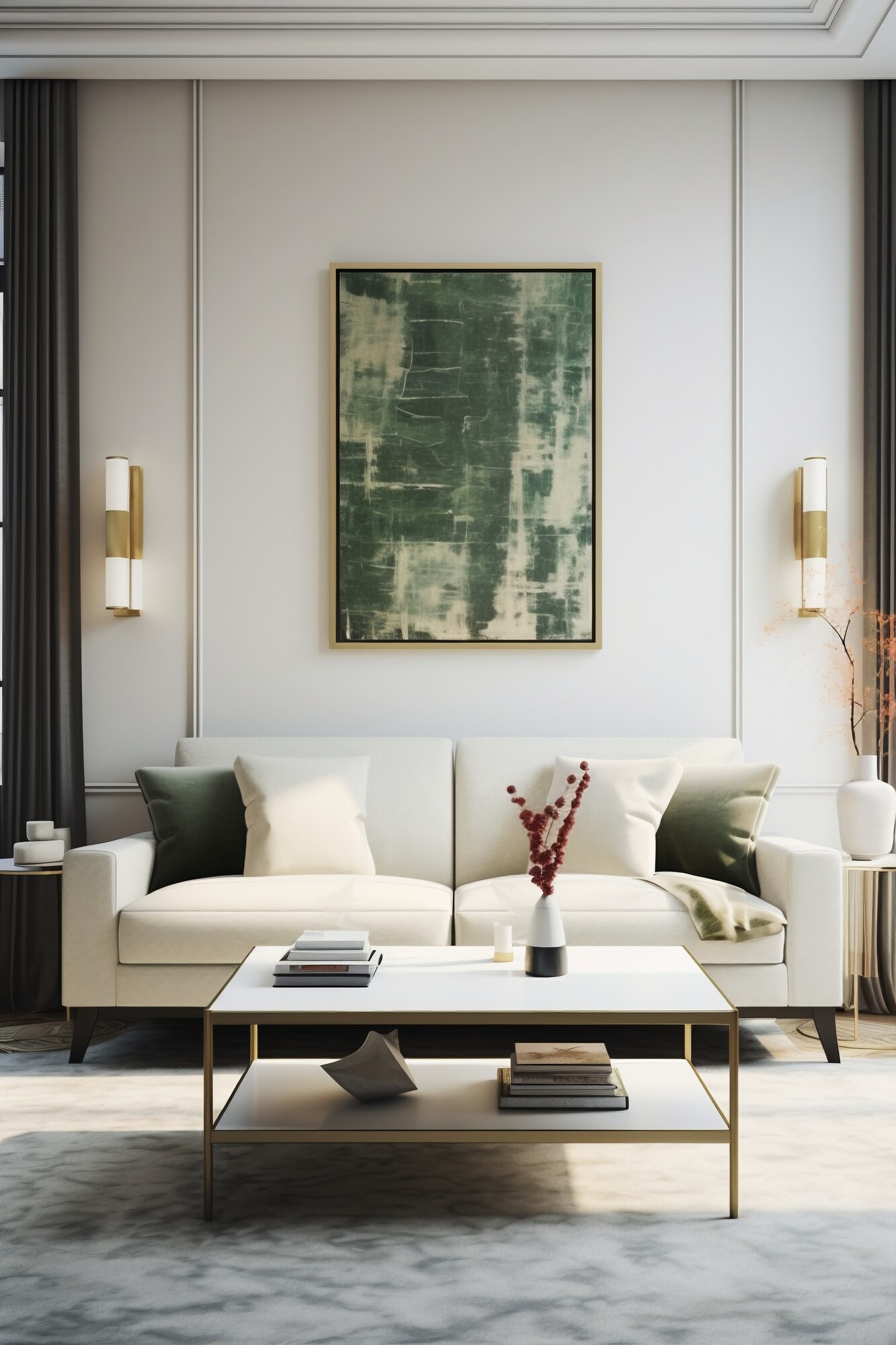
Traditional interiors emphasize elegance and symmetry. Rich wood finishes, classic furniture, and decorative patterns are key elements.
Minimalist Style
Minimalism is all about simplicity and functionality. The design avoids clutter and focuses on essential items, neutral colors, and open spaces.
Industrial Style
Inspired by warehouses and urban lofts, industrial interiors feature exposed brick walls, metal elements, raw wood, and neutral tones.
Experienced interior designers in Chennai help homeowners select a style that suits their lifestyle and blends well with the architecture of their home.
Importance of Matching Furniture and Décor
Furniture and décor must complement the overall design theme. For instance, sleek modern furniture pairs well with geometric décor and metallic accents, while traditional furniture works best with rich fabrics and classic patterns.
Mixing styles is possible, but it requires careful planning. Designers often use a dominant style and introduce secondary elements to add character without disrupting the harmony.
This balance is something professional interior designers in Chennai specialize in, ensuring that each element enhances the overall look rather than competing for attention.
Color Harmony and Material Balance
Color is one of the most powerful tools in interior design. Compatible color schemes create visual balance and emotional comfort. Neutral tones such as beige, grey, and white are often used as base colors, while accent colors add personality.
Material selection is equally important. Combining wood, glass, metal, and fabric textures can create depth and interest. However, overusing too many materials can make a space feel chaotic.
With the guidance of interior designers in Chennai, homeowners can achieve a balanced palette and material combination that enhances both beauty and functionality.
Adapting Design to Lifestyle
Design compatibility is not only about aesthetics; it must also align with daily living. For example, a family with children may need durable materials and easy-to-clean surfaces, while a working professional may prefer a sleek and low-maintenance setup.
Good design considers comfort, movement within the space, and practical needs. Skilled interior designers in Chennai analyze these factors before finalizing layouts, furniture placement, and decorative elements.
Blending Multiple Styles Successfully
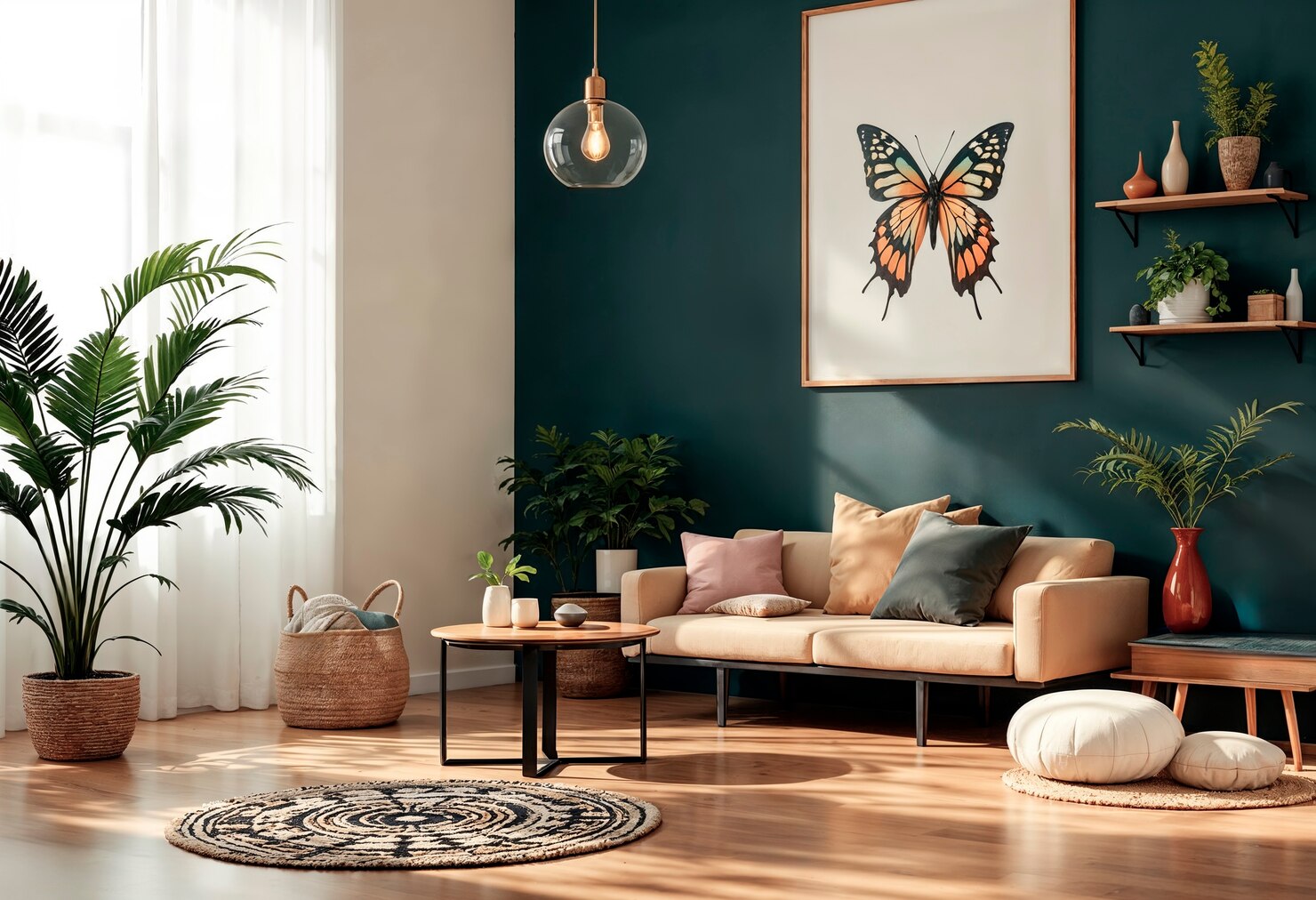
Many modern homes combine two or more design styles to create a unique look. This approach, often called “transitional design,” blends traditional elegance with contemporary simplicity.
To achieve this successfully:
-
Maintain a consistent color palette
-
Balance furniture styles
-
Use similar materials across different elements
-
Keep decorative accessories minimal
Professional interior designers in Chennai use these techniques to create spaces that feel both stylish and cohesive.
Why Professional Designers Make a Difference
While many homeowners have great ideas, executing them effectively requires expertise. Designers understand proportions, spatial planning, lighting, and material compatibility. They also have access to a wide range of resources and vendors.
Hiring experienced interior designers in Chennai ensures that the final result is not only beautiful but also practical and long-lasting. Their knowledge helps avoid costly mistakes and ensures every design element works together seamlessly.
Conclusion
Design style compatibility is the key to creating a home that feels balanced, comfortable, and visually appealing. From choosing the right furniture and colors to blending materials and styles, every decision plays a role in shaping the final look.
Working with professional interior designers in Chennai can make the process easier and more effective. Their expertise ensures that every design element complements the others, resulting in a space that truly reflects your personality and lifestyle.