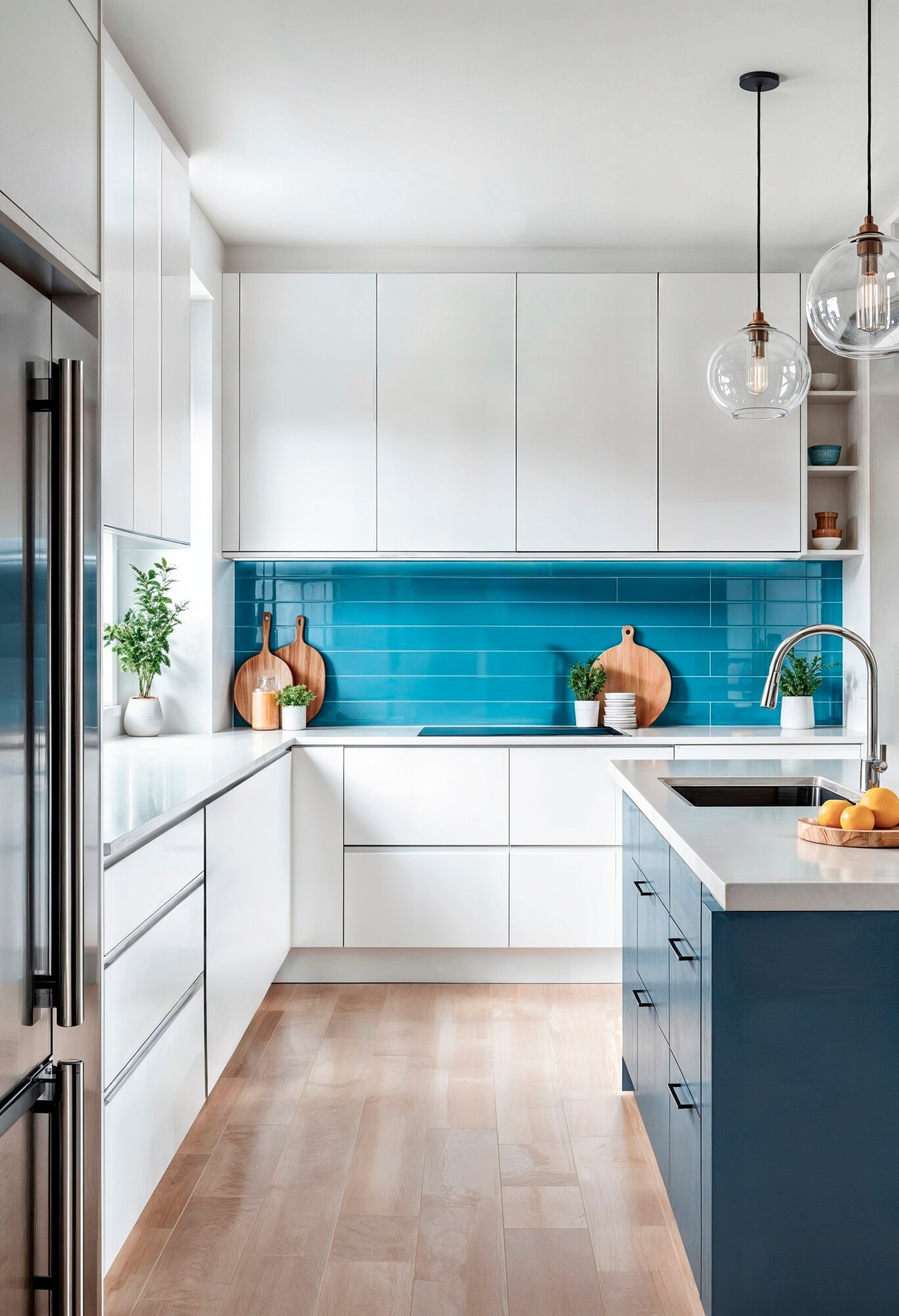
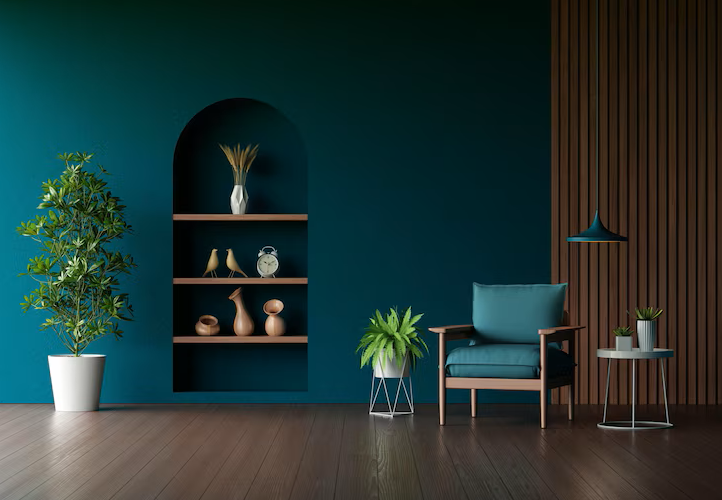
A Complete Guide to Hiring Interior Designers in Chennai: What You Need to Know
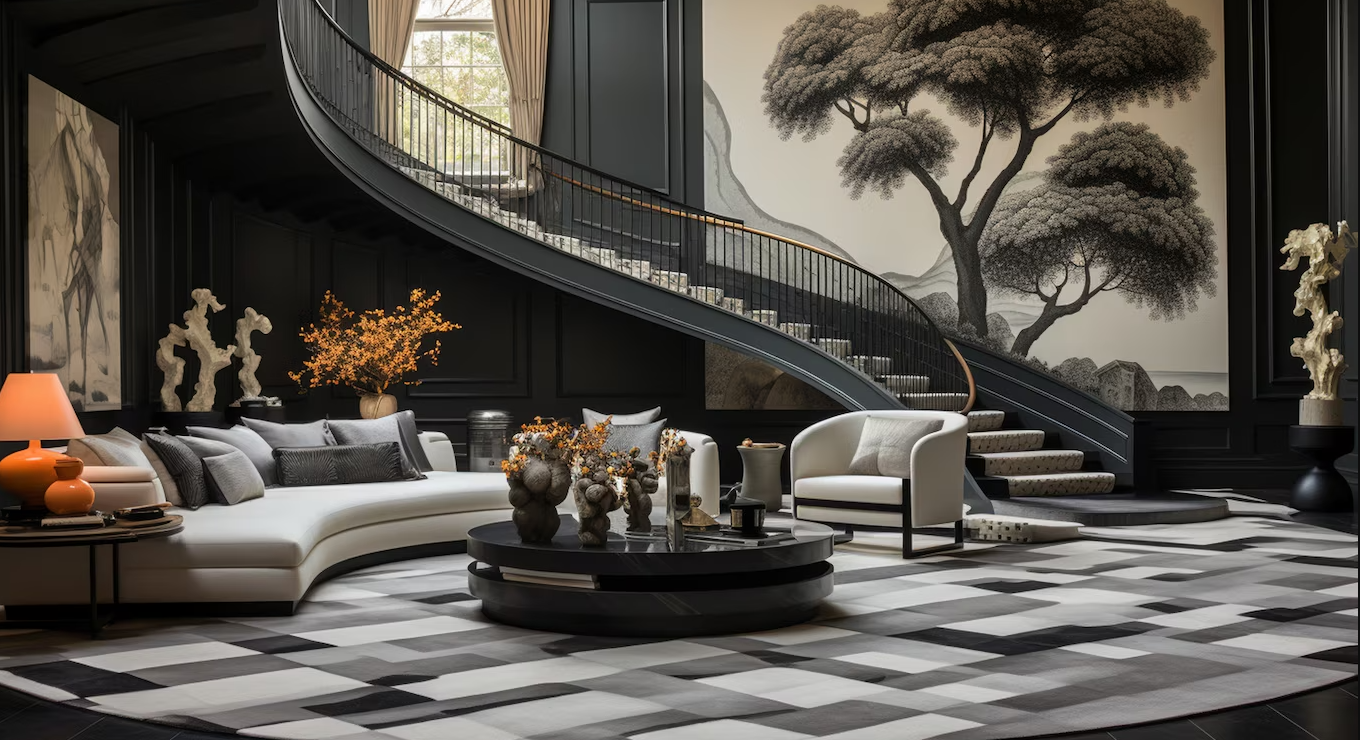
Finding the right interior designers in Chennai can transform your house into a home that’s stylish, functional, and perfectly suited to local climate and lifestyle. Whether you’re renovating an apartment in Anna Nagar, designing a bungalow in Adyar, or fitting out a compact studio in T. Nagar, this guide will walk you through every step — from setting a budget to signing a contract — so you hire confidently and avoid common pitfalls.
Why hire an interior designer?
Hiring a professional saves time, reduces costly mistakes, and brings design expertise and vendor networks you likely don’t have. Good designers blend aesthetics with function, ensure materials are suitable for Chennai’s hot, humid climate, and can optimize small urban layouts while managing timelines and contractors.
Types of interior designers and services
-
Full-service designers: Handle everything from concept, space planning and sourcing to supervision of execution. Best when you want an end-to-end solution.
-
Consultants / hourly designers: Provide design advice and plans while you execute the work. Good for tight budgets or DIY homeowners who need direction.
-
Specialists: Kitchen designers, modular furniture experts, lighting designers, or Vastu consultants — bring them in for focused needs.
-
Turnkey vendors: Provide packaged solutions (furniture + execution) and often quicker delivery but less bespoke design.
Setting a realistic budget
Before you start shortlisting interior designers in Chennai, decide your budget ranges for:
-
Design fees (fixed, % of project cost, or hourly)
-
Execution (civil work, carpentry, electrical, painting)
-
Furniture, fixtures and appliances
-
Contingency (10–15% for unexpected items)
Be upfront about your budget when you talk to designers — it saves time and keeps proposals realistic.
How to shortlist designers
-
Portfolio review: Ask for recent projects similar to your scope. Look for quality of finishes, space planning, and attention to detail.
-
References and reviews: Speak to past clients about timelines, workmanship and after-sales support.
-
Local experience: Designers familiar with Chennai will know material options that withstand humidity, sources for quick deliveries, and reliable contractors.
-
Style match: Ensure their signature style aligns with your taste (modern, contemporary, ethnic, minimalist, etc.).
-
Communication & chemistry: You’ll work closely — choose someone you can clearly communicate with and trust.
Questions to ask during the first meeting
-
Can I see full project portfolios and client references?
-
How do you charge (fixed fee / percentage / hourly)? What’s included?
-
Who will manage the site daily? Who are the contractors and suppliers?
-
How do you handle changes or scope creep?
-
What kind of warranty or after-sales support do you provide?
Understanding the contract & deliverables
A clear contract should include:
-
Detailed scope of work and deliverables (concepts, drawings, BOQ, site supervision)
-
Payment milestones and mode of payment
-
Timeline and penalties for delays (if applicable)
-
Change-order process and rates for additional work
-
Warranty terms for workmanship and supplied items
Never start execution without a signed agreement that outlines responsibilities and expectations.
Timeline and project management
Interior projects usually follow phases: concept → approvals & drawings → procurement → execution → handover. Hold regular site meetings and request progress photos if you can’t visit frequently. Agree on a realistic timeline considering local lead times for materials and furniture.
Cost-saving tips without compromising quality
-
Prioritize high-impact areas (living room, kitchen) and delay low-priority items.
-
Reuse or refurbish existing furniture where possible.
-
Choose local materials and vendors for quicker, cheaper sourcing.
-
Get multiple quotations for carpentry and electrical work.
-
Ask your designer for economical alternatives to premium finishes.
Chennai-specific considerations
-
Climate: Use moisture-resistant paints, treated plywood and breathable fabrics to withstand humidity.
-
Material sourcing: Chennai has strong local supply chains for tiles, granite, and carpentry—leverage them for cost and ease.
-
Space types: Many Chennai homes mix traditional and modern layouts; designers experienced locally will understand practical storage solutions and Vastu sensitivities if required.
-
Transport & delivery: Factor traffic and delivery timelines when setting a schedule, especially during festival seasons.
Red flags to watch for
-
No portfolio or reluctance to share references.
-
Extremely low estimates compared to market rates (likely to cut corners).
-
Non-transparent billing or vague contract terms.
-
Poor communication and missed deadlines during the proposal stage.
Final checklist before hiring
-
Portfolio and references checked
-
Detailed written estimate and contract
-
Project timeline and milestones agreed
-
Payment structure and contingency discussed
-
Warranties and post-handover support clarified
FAQs
Q: How much do interior designers in Chennai charge?
A: Fees vary by experience and scope — designers may charge a fixed fee, hourly rate, or a percentage of the total project cost. Always ask for a clear quote and what it covers.
Q: Should I hire an architect or interior designer?
A: Architects handle structural changes and building permissions; interior designers focus on finishes, layouts and interiors. For major structural changes, involve an architect early.
Q: How long does a typical home interior take?
A: Depending on scope, 6–16 weeks is common for a flat; larger homes or bespoke furniture can extend timelines.
Q: Can I work with a designer remotely?
A: Yes — many designers offer remote consultations and use detailed drawings and progress photos, but arrange local supervision for execution.
Q: Is Vastu considered by designers in Chennai?
A: Many local designers are familiar with Vastu and can incorporate its principles if you request them.