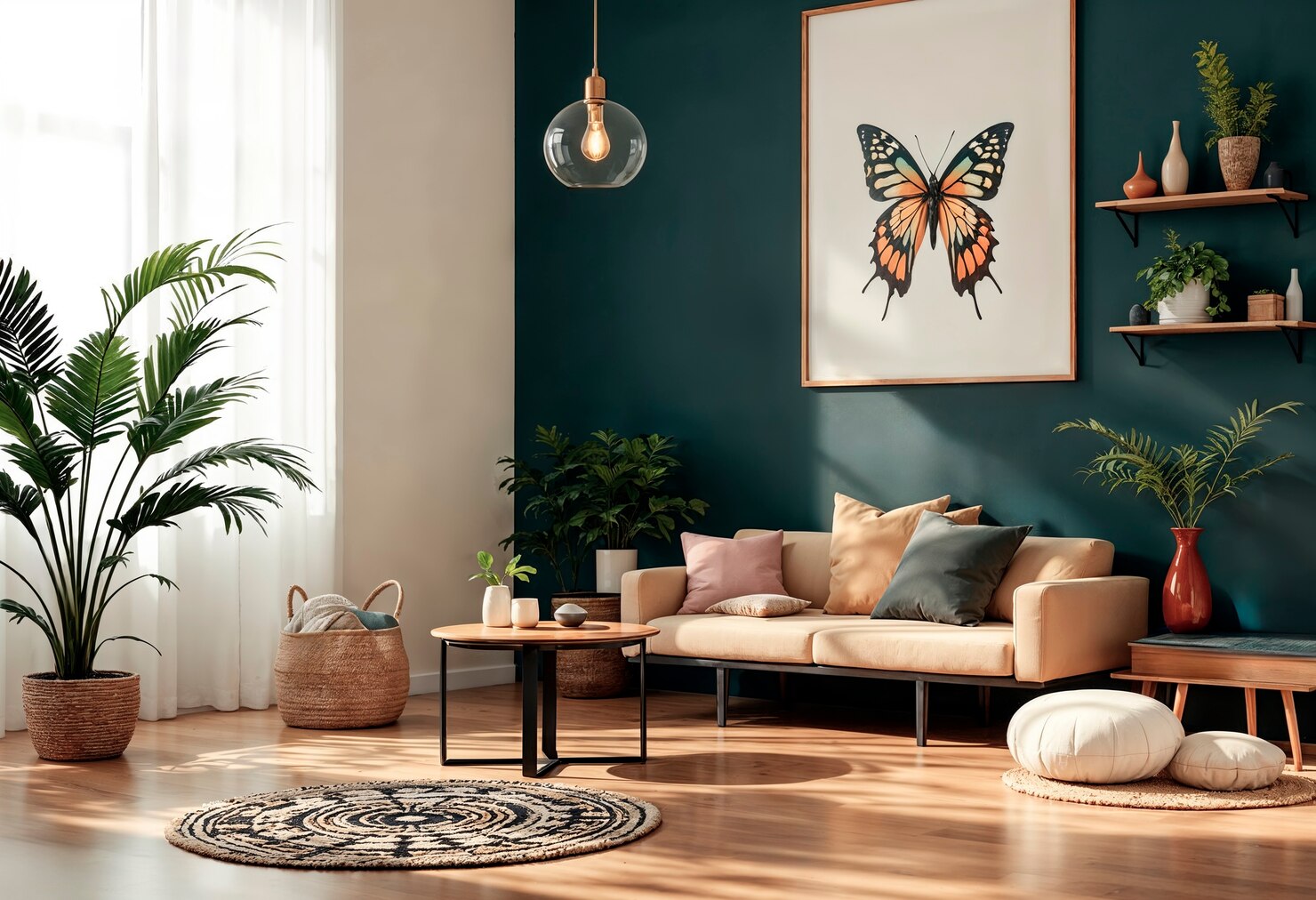
Premium vs Budget Interiors: Where Should Chennai Homeowners Spend More?
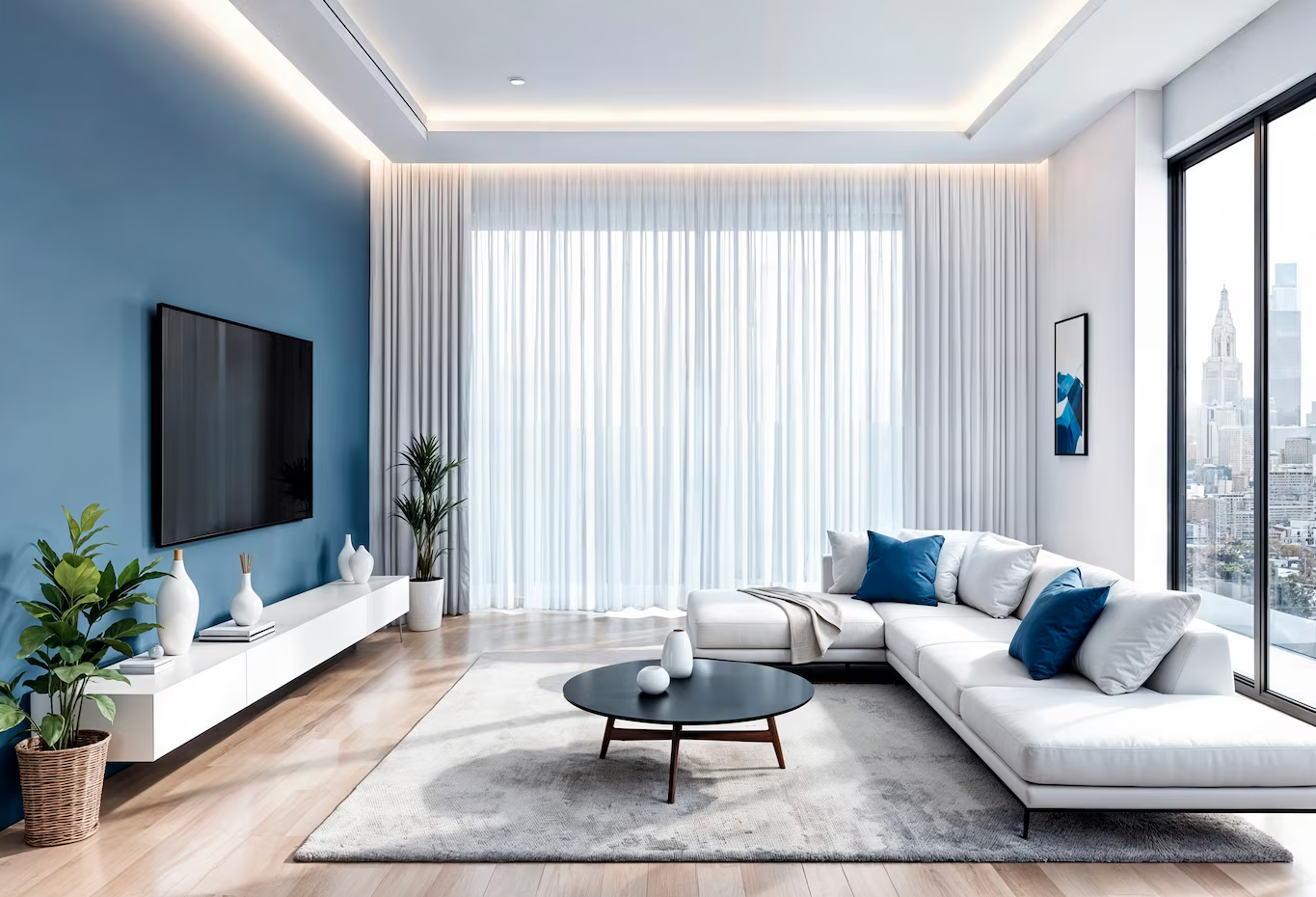
Designing a home is an exciting experience, but deciding how much to spend on interiors can be challenging. Chennai homeowners often face a common question: Should they choose budget-friendly interiors or invest in premium designs? With so many materials, finishes, furniture options, and design styles available, finding the right balance between cost and quality is essential.
When comparing budget vs luxury interiors in Chennai, the best decision is not always about choosing the most expensive option. It is about understanding where quality matters, which features deserve investment, and where you can save without compromising functionality.
A professional Interior designer can help homeowners make these decisions by balancing aesthetics, durability, comfort, and budget. Whether you own a compact apartment, a 2 BHK, a spacious 3 BHK, or an independent villa, the right design approach can create a beautiful and practical living space.
1. Understanding Budget and Premium Interiors
Before deciding where to invest, it is important to understand the difference between budget and premium interiors.
Budget interiors focus on affordability, essential functionality, and simple finishes. They generally use cost-effective materials, standard modular furniture, practical storage solutions, and minimal decorative elements. This approach is ideal for homeowners who want a neat, functional home without spending excessively.
Premium interiors focus on customised designs, high-quality materials, detailed finishes, and personalised features. They may include designer lighting, premium hardware, customised furniture, natural stone surfaces, and sophisticated colour combinations.
However, premium interiors do not necessarily mean spending more on everything. A well-planned home can combine affordable materials with premium elements to achieve an elegant appearance without exceeding the budget.
2. Where Should Chennai Homeowners Spend More?
Not every part of your home requires premium materials. Some areas experience daily usage and need better durability, while others can be designed economically.
Modular Kitchen: Invest in Quality
The kitchen is one of the most frequently used spaces in a home. Cabinets, drawers, countertops, hinges, and storage accessories experience regular wear and tear.
Choosing low-quality materials may result in frequent repairs, moisture damage, and replacement expenses. Chennai’s humid climate also makes moisture resistance an important consideration.
Homeowners should prioritise:
-
BWP or suitable moisture-resistant plywood.
-
Quality hinges and drawer channels.
-
Durable and easy-to-maintain countertops.
-
Proper ventilation and functional storage.
-
Reliable cabinet finishes.
You can save money by choosing standard cabinet designs instead of expensive custom profiles. An experienced Interior designer can recommend suitable materials that balance durability and cost.
Wardrobes and Storage: Focus on Functionality
Wardrobes are long-term investments because they are used every day. Instead of focusing only on appearance, homeowners should consider storage capacity, internal layouts, material quality, and hardware.
Premium wardrobe shutters can improve the overall appearance of a bedroom, but the internal structure should also be durable.
Budget-friendly laminate finishes combined with quality hardware can provide an attractive and practical solution.
Flooring: Choose Long-Term Durability
Flooring influences the appearance and maintenance requirements of your entire home. While premium marble and natural stone offer a luxurious appearance, quality vitrified tiles can also create an elegant look at a more affordable price.
Consider the following before selecting flooring:
-
Maintenance requirements.
-
Resistance to scratches and stains.
-
Water resistance.
-
Suitability for Chennai’s climate.
-
Long-term replacement and repair costs.
Invest in flooring that suits your lifestyle rather than selecting materials based only on appearance.
Bathroom: Prioritise Waterproofing and Fittings
Bathrooms require careful planning because water leakage and moisture-related problems can lead to expensive repairs.
Homeowners should spend more on proper waterproofing, plumbing, quality sanitaryware, and reliable bathroom fittings. Premium decorative tiles are optional, but the underlying construction quality should never be compromised.
3. Where Can You Save Money Without Compromising Design?
Creating a premium-looking home does not require expensive materials in every corner. Several design choices can help reduce costs while maintaining visual appeal.
Living Room Furniture
Instead of purchasing expensive designer furniture, choose comfortable, durable, and well-proportioned furniture. A simple sofa with attractive cushions, a practical TV unit, and carefully selected décor can create a sophisticated living room.
False Ceiling
False ceilings can enhance lighting and improve the overall appearance of a space. However, elaborate ceiling designs with multiple layers and decorative elements can increase expenses.
Simple gypsum ceilings with well-planned lighting are often enough to create a modern appearance.
Decorative Wall Finishes
Premium wallpapers, textured paints, and decorative wall panels can increase interior costs. Instead of applying them throughout the home, select one feature wall in the living room or master bedroom.
This creates a visual highlight without requiring a large investment.
Lighting and Accessories
You do not need expensive designer lights throughout the house. A combination of functional ceiling lights, warm accent lighting, and selected decorative fixtures can create a comfortable atmosphere.
Similarly, simple curtains, mirrors, and carefully selected accessories can enhance the interiors without stretching your budget.
4. Why Chennai’s Climate Matters When Choosing Interior Materials
Chennai’s coastal climate brings challenges such as humidity, heat, moisture, and occasional heavy rainfall. These environmental conditions should influence interior material selection.
For example, low-quality plywood and unsuitable finishes may deteriorate faster in moisture-prone areas. Poor ventilation can also affect indoor comfort.
Homeowners should consider moisture-resistant materials for kitchens and bathrooms, durable laminates, suitable hardware, and proper ventilation.
An experienced Interior designer understands how local climate conditions affect material performance. Selecting the right materials at the beginning can help avoid unnecessary maintenance and replacement expenses later.
5. Budget vs Luxury Interiors: A Practical Comparison
The following comparison highlights where homeowners can make smart spending decisions.
| Interior Element | Budget Choice | Premium Choice |
|---|---|---|
| Kitchen | Standard laminate cabinets | Premium finishes and customised storage |
| Wardrobes | Standard laminate shutters | Acrylic, veneer or customised finishes |
| Flooring | Vitrified tiles | Natural marble or premium tiles |
| Living Room | Ready-made furniture | Custom-designed furniture |
| False Ceiling | Simple gypsum design | Multi-layer decorative ceiling |
| Lighting | Basic LED fixtures | Designer and layered lighting |
| Bathroom | Standard quality fittings | Premium branded fittings |
| Wall Décor | Paint and simple finishes | Textures and decorative panels |
The ideal approach is to combine both categories based on your priorities. Spend more on frequently used elements and choose economical alternatives for decorative features.
6. How to Plan Your Interior Budget Effectively
A clear budget helps prevent unnecessary expenses and ensures that important requirements are not overlooked.
Start by identifying your essential requirements, such as kitchen cabinets, wardrobes, electrical work, lighting, and storage. These should receive priority over optional decorative elements.
Next, divide your budget according to the rooms and their functional requirements. A kitchen may require a larger investment because of its storage and hardware requirements, while a guest bedroom can be designed with simpler furniture and finishes.
It is also important to keep an additional amount for unexpected expenses. Changes in material selection, electrical requirements, and site conditions can affect the final project cost.
Working with a professional Interior designer can make this process easier. They can help compare materials, suggest alternatives, plan layouts, and coordinate different elements to avoid unnecessary spending.
7. Why Hiring a Professional Interior Designer Makes a Difference
Many homeowners assume that hiring an Interior designer automatically increases the overall project cost. However, professional planning can help prevent expensive mistakes and improve the value of your investment.
A designer understands how to use available space efficiently, select suitable materials, and create designs that match the homeowner’s requirements.
For Chennai homes, professional guidance is particularly useful when dealing with compact apartments, limited storage, natural lighting, ventilation, and humidity-resistant materials.
An experienced design team can also help homeowners distinguish between essential upgrades and optional luxury additions.
Whether you prefer minimal interiors or a sophisticated premium look, professional planning ensures that the final design reflects your lifestyle and budget.
8. Making the Right Choice for Your Chennai Home
Choosing between budget and premium interiors depends on your lifestyle, property size, family requirements, and long-term plans.
For homeowners planning to stay in their property for many years, investing in durable materials, quality kitchen fittings, reliable wardrobes, and proper bathroom construction makes sense.
For rental properties or homeowners working with limited budgets, practical layouts, standard modular furniture, and affordable finishes may be more suitable.
The smartest approach is not choosing between budget and luxury. It is identifying which elements deserve premium investment and where affordable alternatives can deliver similar results.
Conclusion
A beautiful home does not have to come with an expensive price tag. Chennai homeowners can achieve stylish, comfortable, and functional interiors by balancing premium investments with budget-friendly choices.
From modular kitchens and wardrobes to flooring, lighting, and decorative finishes, every decision should be based on durability, usability, and long-term value.
Working with the right Interior designer helps you make informed decisions, avoid unnecessary expenses, and create a home that reflects your personality without exceeding your budget.
At Studio7, thoughtful planning, functional layouts, and carefully selected materials come together to create interiors that balance style, comfort, and practicality. Whether you are planning budget-friendly interiors or a premium home transformation, the right design approach can make all the difference.