Material selection for Chennai’s climate
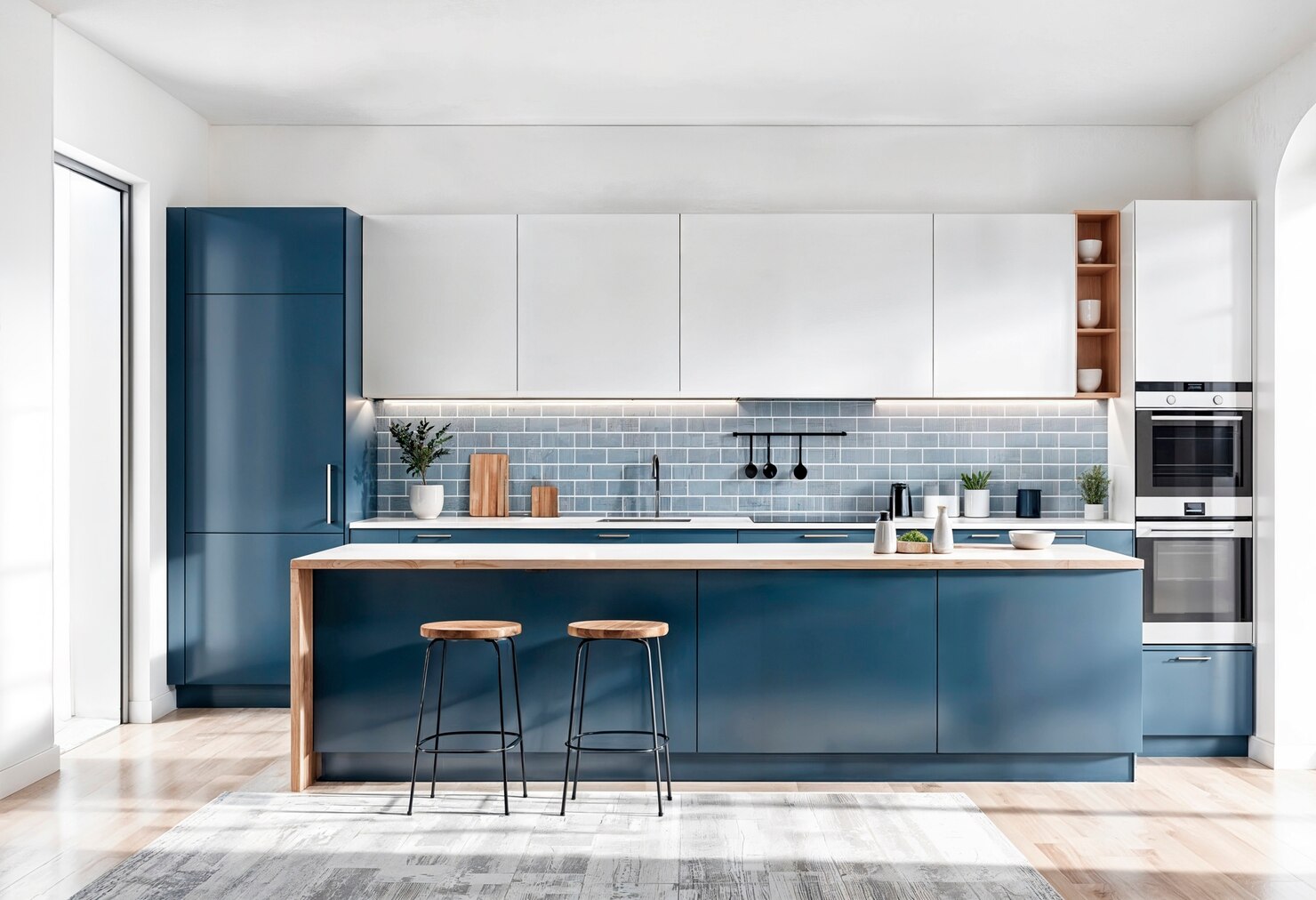
Understanding Chennai’s Climate Before Selecting Materials
Chennai experiences a predominantly hot and humid climate for much of the year. Interior spaces can become warm, particularly when they receive direct sunlight through large windows or are located on upper floors. Humidity can also contribute to swelling, warping, fungal growth, and deterioration of certain materials.
Coastal areas face an additional concern: salty air. Salt and moisture can accelerate corrosion in metal components and affect finishes if the wrong materials are selected. During the monsoon season, increased moisture can create further challenges for kitchens, bathrooms, balconies, utility areas, and other spaces exposed to water.
Therefore, material selection for Chennai’s climate should consider not only how a material looks but also how it behaves under heat, humidity, moisture, and everyday usage.
Flooring Materials That Work Well in Chennai
Flooring has a major impact on indoor comfort and maintenance. Materials such as vitrified tiles, porcelain tiles, natural stone, and selected varieties of granite can perform well when appropriately specified.
Tiles are particularly practical because they are relatively easy to clean and can handle humid conditions better than many moisture-sensitive flooring materials. Light-coloured flooring can also contribute to a visually cooler and brighter interior.
Natural stones such as granite are known for their strength and durability and can be suitable for areas that experience frequent use. Marble can provide a premium appearance, but it needs appropriate sealing and maintenance to protect its finish.
An experienced Interior designer can evaluate the room’s purpose, expected traffic, exposure to moisture, and maintenance requirements before recommending a flooring material.
Choosing Wall Finishes for Humid Conditions
Wall finishes should be selected carefully because excessive moisture can cause problems such as peeling, staining, mould, and surface deterioration.
Washable and moisture-resistant paints are generally more practical for Chennai homes. In kitchens and bathrooms, tiles or other suitable moisture-resistant finishes can provide better protection than conventional decorative wall treatments.
For living rooms and bedrooms, breathable finishes and appropriately specified paints can help maintain a clean appearance while reducing maintenance concerns. Wallpapers may also be used, but moisture exposure should be carefully considered before installation.
A professional Interior designer can identify which walls require additional moisture protection based on ventilation, sunlight, and the function of each room.
Wood Selection for Chennai Interiors
Wood adds warmth and sophistication to an interior, but humidity is an important consideration when using wooden products in Chennai.
Natural wood, plywood, MDF, and other engineered wood products can respond differently to changes in moisture. Poor-quality or improperly treated boards may swell, warp, or deteriorate when exposed to moisture.
For wardrobes, kitchen cabinets, storage units, and other built-in furniture, moisture-resistant engineered boards and high-quality laminates can be practical choices. Proper edge sealing and installation are equally important because moisture can enter through exposed edges.
Where natural wood is preferred, suitable species, treatments, protective coatings, and installation methods should be considered. The objective is not to avoid wood completely but to select the right type and specification for the intended environment.
Kitchen Materials for Heat and Moisture Resistance
Kitchens experience heat, steam, grease, water, and frequent cleaning. Consequently, material selection becomes particularly important in this space.
Countertops made from granite, quartz, or other suitable durable surfaces can offer a combination of strength and easy maintenance. Cabinet shutters with quality laminates or other durable finishes can be easier to maintain than highly delicate surfaces.
The internal structure of kitchen cabinets should also receive attention. Using suitable moisture-resistant boards and protecting exposed edges can improve longevity.
An Interior designer can coordinate the countertop, cabinetry, backsplash, hardware, and ventilation so that the kitchen remains functional while maintaining a consistent design theme.
Bathroom Materials Need Special Attention
Bathrooms are among the most moisture-intensive areas of a home. Porcelain and ceramic tiles are commonly used because they are practical and available in a wide range of designs.
However, tile selection should not be based solely on colour and pattern. Slip resistance, water absorption, cleaning requirements, and surface texture should also be considered.
Waterproofing beneath the visible finishes is equally important. Even high-quality tiles cannot compensate for inadequate waterproofing or poor installation.
An experienced Interior designer can work with the project team to ensure that visible materials and underlying construction systems are appropriately coordinated.
Metal Selection in Coastal Areas
Metal components can be particularly vulnerable in Chennai’s coastal environment. Humidity and salt-laden air can accelerate corrosion, especially in exposed locations.
For handles, hinges, bathroom accessories, railings, fixtures, and decorative hardware, corrosion-resistant materials and appropriate protective finishes can improve durability.
Stainless steel, aluminium, and suitably treated metal products may be considered depending on the application. Hardware quality should also match the overall quality of the interior because premature corrosion can affect both appearance and functionality.
Fabrics and Upholstery for Humid Interiors
Soft furnishings also require careful consideration. Heavy fabrics can retain moisture and may become uncomfortable in humid conditions if ventilation is poor.
For curtains, sofas, cushions, and upholstery, breathable, easy-to-clean, and appropriately durable fabrics can be more practical. In homes with frequent exposure to dust or moisture, removable and washable covers can simplify maintenance.
Natural textures can still be incorporated into the design, but the selection should consider the room’s ventilation and daily usage.
Choosing Materials That Improve Thermal Comfort
Material selection can also contribute to the perceived temperature of an interior. Light-coloured surfaces, suitable window treatments, reflective finishes, and materials with appropriate thermal properties can help create a more comfortable environment.
Large glass windows can provide excellent daylight but may also introduce considerable solar heat. Curtains, blinds, films, shading devices, and appropriate glazing can help manage this issue.
An Interior designer can consider the orientation of windows, amount of sunlight, room usage, and colour palette when developing a material strategy for the space.
Low-Maintenance Materials for Busy Homes
Modern homeowners increasingly prefer interiors that look premium without demanding excessive maintenance. Chennai’s climate makes this consideration even more important.
Materials that resist moisture, stains, fading, and everyday wear can reduce the effort required to maintain an interior. Easy-to-clean flooring, durable laminates, washable paints, and quality hardware can provide practical advantages.
The lowest-cost material is not necessarily the most economical option. A slightly higher initial investment in durable materials can potentially reduce replacement and repair requirements over the years.
Sustainable Material Choices for Chennai Homes
Sustainability is another important factor in modern interior design. Locally available materials, responsibly sourced wood, recycled products, low-VOC paints, and durable finishes can contribute to more responsible interior solutions.
Choosing long-lasting materials is itself an important aspect of sustainable design because frequent replacement increases material consumption and waste.
A knowledgeable Interior designer can balance sustainability with climate suitability, budget, aesthetics, and functionality instead of treating these considerations separately.
Why Professional Material Selection Matters
Every interior space has different requirements. A beachfront apartment, an independent house in the city, a high-rise apartment, and a commercial office may all experience different levels of heat, humidity, ventilation, and coastal exposure.
This is why material selection for Chennai’s climate should be treated as an integral part of the design process rather than an afterthought. A professional Interior designer can assess the property, understand the client’s lifestyle, compare material options, and select combinations that provide both visual appeal and long-term practicality.
Conclusion
Good interior design is not simply about selecting beautiful colours, finishes, and furniture. It is about creating spaces that perform well in their environment. Chennai’s heat, humidity, monsoon conditions, and coastal atmosphere make material selection especially important.
From flooring and wall finishes to wood, metal, fabrics, kitchen surfaces, and bathroom materials, every choice can influence durability and maintenance. With thoughtful material selection for Chennai’s climate, homeowners can create interiors that are comfortable, stylish, durable, and easier to maintain.
Working with an experienced Interior designer can make this process more effective by ensuring that every material choice supports the overall design while responding appropriately to Chennai’s unique climatic conditions.