Colour palettes for a relaxing bedroom

Colour Palettes for a Relaxing Bedroom: Create a Calm and Comfortable Space
The bedroom is more than just a place to sleep. It is a personal retreat where you can unwind after a busy day, relax your mind, and enjoy peaceful moments. One of the most effective ways to create this atmosphere is by choosing the right colour palette. Soft, balanced, and soothing colours can make a bedroom feel comfortable, spacious, and inviting.
For homeowners planning a bedroom makeover, working with an experienced Interior designer can make the colour selection process much easier. An Interior designer can understand the room’s natural lighting, size, furniture, flooring, and overall style before recommending colours that create the desired mood.
Why Colour Matters in a Bedroom
Colours can strongly influence how a room feels. Bright and intense shades can create energy and excitement, while softer tones can encourage relaxation. Since the bedroom is primarily designed for rest, calming shades are often a better choice.
Neutral shades, muted greens, soft blues, warm beige, earthy tones, and gentle pastels can create a peaceful environment. However, the best colour depends on the room’s lighting, architecture, furniture, and personal preferences.
An Interior designer can help create a balanced colour scheme instead of simply selecting one attractive colour. The goal is to make the walls, ceiling, furniture, curtains, bedding, and accessories work together.
Soft Beige for a Warm and Cozy Bedroom
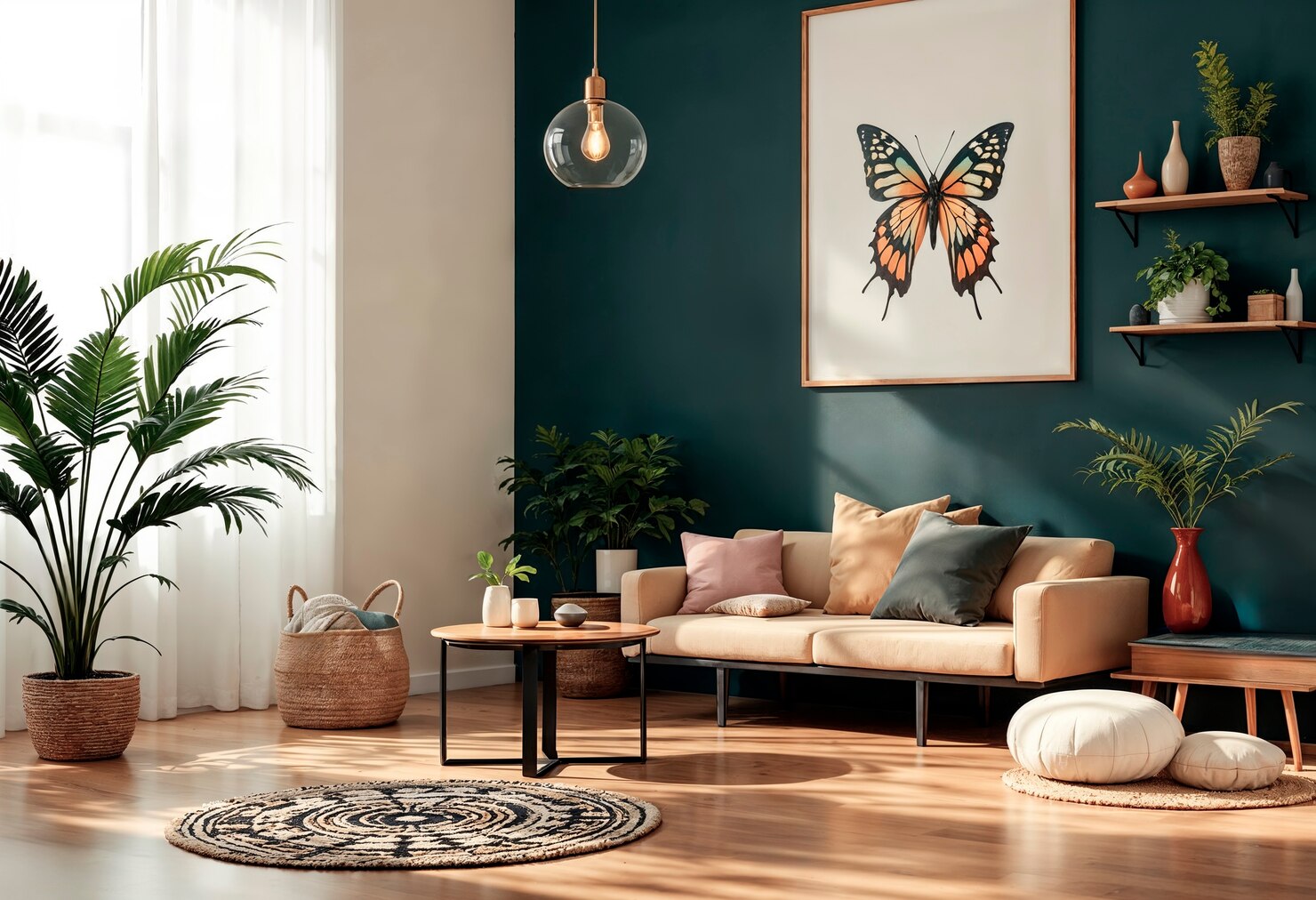
Beige is a timeless choice for bedrooms because it creates a warm and comfortable appearance without being overwhelming. Soft beige walls can work beautifully with wooden furniture, cream bedding, woven textures, and warm lighting.
For a modern bedroom, beige can be combined with white or light grey. For a more traditional interior, it can be paired with deeper brown furniture and elegant fabrics.
A professional Interior designer can also introduce different shades of beige through furniture, curtains, rugs, and upholstery to create depth without making the space look monotonous.
Soft Blue for a Peaceful Atmosphere
Blue is often associated with calmness and serenity, making soft blue an excellent choice for a relaxing bedroom. Pale blue, powder blue, dusty blue, and muted blue-grey can create a peaceful atmosphere.
Soft blue walls can be combined with white ceilings, light-coloured furniture, and neutral bedding. Natural wooden elements can add warmth and prevent the room from feeling too cold.
For bedrooms with plenty of natural light, an Interior designer may recommend slightly deeper muted blue tones to create a sophisticated appearance while maintaining a relaxing mood.
Sage Green for a Natural Feel
Sage green has become a popular choice for modern bedroom interiors because it brings a subtle connection to nature. Unlike bright green, sage green is muted and gentle, making it suitable for restful spaces.
It works particularly well with natural wood, rattan, linen, cream, beige, and off-white. Plants and natural textures can further enhance the organic feeling.
If you want a bedroom that feels fresh but still peaceful, sage green can be an excellent option. An Interior designer can use it as a wall colour or introduce it through upholstery, cushions, curtains, and decorative elements.
Warm White for a Minimalist Bedroom
White does not have to mean plain or boring. Warm white shades can make a bedroom feel clean, bright, and spacious while maintaining a comfortable atmosphere.
Instead of using a stark white, consider shades with warm undertones. These can be paired with beige, cream, light wood, and soft grey to create a sophisticated minimalist bedroom.
A good Interior designer will often combine different textures when using a neutral palette. Linen curtains, textured bedding, wooden furniture, rugs, and upholstered elements can prevent an all-white bedroom from looking flat.
Earthy Terracotta and Clay Tones
For homeowners who want more warmth and character, muted terracotta and clay shades can be used carefully in the bedroom. These earthy colours create a grounded and welcoming feeling.
Instead of covering all four walls in a strong terracotta shade, consider using it as an accent wall or introducing it through cushions, artwork, throws, or decorative accessories.
An Interior designer can balance these warmer colours with cream, beige, soft white, or light brown to create a sophisticated and relaxing combination.
Lavender and Muted Pastels
Soft lavender, dusty lilac, and muted pastel shades can add a subtle touch of colour while keeping the bedroom calm. These colours work especially well in bedrooms where homeowners want something different from traditional beige or white.
Lavender can be combined with warm white, light grey, cream, and natural wood. Keeping the supporting colours neutral allows the pastel shade to remain elegant rather than overly decorative.
The Importance of Natural Lighting
The same colour can look completely different depending on the amount and direction of natural light in a bedroom. A colour that looks warm in one room may appear cooler in another.
Bedrooms with limited natural light can benefit from warm neutrals and lighter shades. Rooms with abundant sunlight can accommodate slightly deeper or cooler tones.
This is one reason consulting an Interior designer can be valuable. They can evaluate the room throughout different times of the day and recommend a palette that remains visually comfortable under both natural and artificial lighting.
Creating a Balanced Colour Palette
A relaxing bedroom does not necessarily require a single colour. A well-designed palette usually combines a primary colour with supporting shades.
For example, soft beige walls can be combined with cream bedding, light brown furniture, and muted green accessories. Similarly, pale blue walls can work with white furniture, beige textiles, and natural wood.
The Interior designer can follow the overall design style of the home while selecting complementary colours for the bedroom. This creates continuity between spaces while still allowing the bedroom to feel private and relaxing.
Consider the Ceiling and Flooring
Walls are not the only surfaces that influence the bedroom’s colour scheme. The ceiling and flooring also contribute significantly to the overall appearance.
A warm white ceiling can make a room feel brighter, while wooden flooring can introduce warmth into a cooler palette. Rugs can be used to connect the flooring with the wall and furniture colours.
An experienced Interior designer considers all these elements together rather than selecting wall paint in isolation.
Use Accent Colours Carefully
Accent colours can add personality to a relaxing bedroom, but they should be used thoughtfully. Strong colours can become distracting when used excessively.
Instead, introduce accent colours through cushions, artwork, bedside accessories, curtains, throws, or a feature wall. This allows the bedroom to remain calm while still reflecting your personality.
Choose Colours That Reflect Your Personality
Ultimately, the perfect bedroom palette is the one that makes you feel comfortable. Trends can provide inspiration, but personal preference should remain an important part of the design process.
Some homeowners may prefer cool blue and green tones, while others may feel more comfortable surrounded by warm beige, cream, and earthy shades. An Interior designer can combine personal preferences with professional design principles to create a bedroom that looks beautiful and feels genuinely relaxing.
Final Thoughts
Choosing the right colours can transform an ordinary bedroom into a peaceful personal retreat. Soft neutrals, muted blues, sage greens, warm whites, earthy tones, and gentle pastels can all contribute to a relaxing atmosphere when used correctly.
The key is not simply choosing a beautiful colour but creating harmony between walls, furniture, lighting, flooring, textiles, and accessories. With the guidance of a skilled Interior designer, homeowners can develop a carefully balanced palette that supports relaxation while complementing the overall style of the home.