Designing a Calm and Comfortable Bedroom
A bedroom should be more than just a place to sleep. It should be a peaceful retreat where you can relax, recharge, and enjoy moments of comfort after a busy day. A thoughtfully designed bedroom improves sleep quality, reduces stress, and creates a welcoming environment that reflects your personality. Whether you are renovating your home or furnishing a new space, understanding the principles of Designing a Calm and Comfortable Bedroom can help you create an interior that balances style, functionality, and relaxation.
Why Bedroom Design Matters
The bedroom is one of the most personal spaces in any home. Unlike living rooms or dining areas, it is designed primarily for rest and privacy. Every design element—from wall colors and lighting to furniture and fabrics—contributes to the overall atmosphere.
When Designing a Calm and Comfortable Bedroom, the goal is to minimize visual clutter, maximize comfort, and create a soothing environment that promotes better sleep and overall well-being.
Choose a Relaxing Color Palette
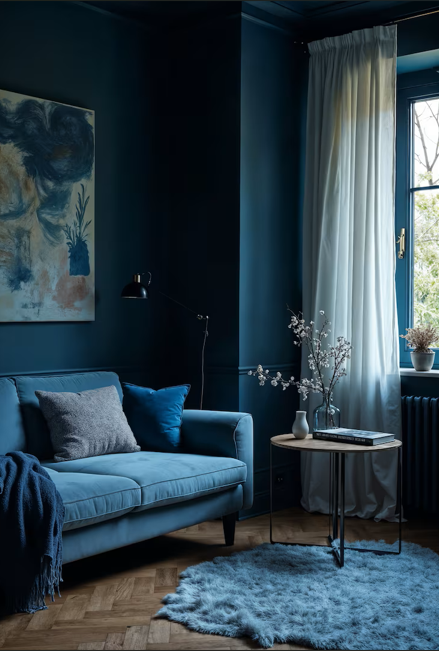
Color has a significant impact on mood and emotions. Soft, neutral shades naturally create a calming atmosphere.
Some excellent choices include:
- Warm white
- Beige
- Light grey
- Soft taupe
- Sage green
- Dusty blue
- Muted lavender
Avoid overly bright or highly saturated colors, especially on large surfaces such as walls. Instead, introduce vibrant colors through decorative cushions, artwork, or accessories.
A balanced color palette is one of the most important aspects of Designing a Calm and Comfortable Bedroom because it instantly influences how peaceful the room feels.
Invest in a Comfortable Bed
The bed is the centerpiece of every bedroom. Choosing the right mattress, pillows, and bed frame significantly impacts both comfort and aesthetics.
Consider:
- A supportive mattress suited to your sleeping style
- High-quality pillows
- Breathable cotton or linen bedsheets
- A soft duvet suitable for the climate
- Upholstered or wooden headboards for added comfort
Layering bedding with throws and textured cushions also creates a luxurious appearance while making the room feel inviting.
Keep Furniture Functional
A calm bedroom should never feel overcrowded. Instead of filling every corner with furniture, choose only essential pieces that serve a purpose.
Typical bedroom furniture includes:
- Bed
- Bedside tables
- Wardrobe
- Dresser
- Reading chair (if space allows)
When Designing a Calm and Comfortable Bedroom, prioritize clean lines and simple furniture designs. Minimal furniture creates better movement and reduces visual distractions.
Maximize Natural Light
Natural light improves mood and makes bedrooms appear larger and fresher.
Some practical ideas include:
- Large windows
- Sheer curtains during the day
- Light-colored window treatments
- Mirrors that reflect sunlight
At night, use blackout curtains to improve sleep quality while maintaining privacy.
Combining natural daylight with controlled evening lighting creates a balanced atmosphere throughout the day.
Create Layered Lighting
Lighting should adapt to different activities such as reading, relaxing, or sleeping.
Use multiple lighting sources, including:
- Ceiling lighting
- Bedside lamps
- Wall sconces
- LED strip lighting
- Warm ambient lights
Choose warm white lighting instead of cool white, as it creates a softer and more relaxing environment.
Thoughtful lighting is essential when Designing a Calm and Comfortable Bedroom because it directly affects mood and relaxation.
Reduce Visual Clutter
A clutter-free bedroom feels more spacious and peaceful.
Maintain organization by:
- Using built-in wardrobes
- Adding storage under the bed
- Organizing drawers
- Limiting decorative accessories
- Keeping bedside tables tidy
Minimal clutter helps the mind relax and supports better sleep.
Add Soft Textures
Texture adds warmth without making the room feel busy.
Popular materials include:
- Cotton
- Linen
- Wool
- Velvet
- Woven rugs
- Knitted blankets
Combining different textures makes the bedroom feel cozy while maintaining a refined appearance.
Introduce Natural Elements
Nature-inspired interiors are becoming increasingly popular because they create a calming atmosphere.
You can incorporate natural elements through:
- Indoor plants
- Wooden furniture
- Stone décor
- Natural fiber baskets
- Bamboo accessories
Plants such as snake plants, peace lilies, and pothos not only enhance aesthetics but also contribute to fresher indoor environments.
Natural materials perfectly complement the concept of Designing a Calm and Comfortable Bedroom.
Personalize Without Overdecorating
Personal touches make the room feel unique, but too many decorative items can create visual noise.
Choose meaningful décor such as:
- Family photographs
- Minimal artwork
- Decorative mirrors
- Ceramic vases
- Framed travel memories
Limit decorations to a few carefully selected pieces that enhance rather than overwhelm the space.
Improve Bedroom Acoustics
Noise can interfere with sleep quality. Soft materials naturally absorb sound and create a quieter environment.
Useful additions include:
- Thick curtains
- Area rugs
- Upholstered furniture
- Fabric wall panels
- Cushions and throws
These features contribute to both comfort and better sound control.
Keep Technology to a Minimum
Modern bedrooms often contain televisions, laptops, and multiple electronic devices. However, excessive technology can negatively impact relaxation.
Consider:
- Charging devices outside the bedroom
- Limiting screen time before bed
- Using hidden cable management
- Keeping work-related equipment elsewhere
A technology-light environment supports restful sleep and aligns with the principles of Designing a Calm and Comfortable Bedroom.
Add Pleasant Fragrances
Scent plays an important role in creating a relaxing atmosphere.
Popular bedroom fragrances include:
- Lavender
- Chamomile
- Sandalwood
- Vanilla
- Cedarwood
Use scented candles, essential oil diffusers, or room sprays in moderation to create a pleasant sensory experience.
Design for Better Storage
Efficient storage keeps bedrooms organized and functional.
Smart storage solutions include:
- Built-in wardrobes
- Floating shelves
- Ottoman storage benches
- Under-bed storage boxes
- Vertical cabinets
Proper storage prevents clutter while maintaining a clean, calming aesthetic.
Focus on Comfort Over Trends
Interior design trends change frequently, but comfort remains timeless.
When Designing a Calm and Comfortable Bedroom, prioritize quality materials, ergonomic furniture, and timeless finishes rather than following short-lived design trends.
A bedroom that feels comfortable today will continue to serve your needs for many years.
Final Thoughts
Designing a Calm and Comfortable Bedroom is about creating a space that encourages relaxation, improves sleep, and supports everyday well-being. By choosing soothing colors, comfortable furniture, layered lighting, natural materials, and organized storage, you can transform any bedroom into a peaceful sanctuary.
Whether your style is modern, contemporary, minimalist, or classic, thoughtful design decisions make all the difference. Focus on simplicity, comfort, and functionality, and your bedroom will become one of the most enjoyable spaces in your home.