Decorative Elements and Accessories: How an Interior Designer Brings Every Space to Life
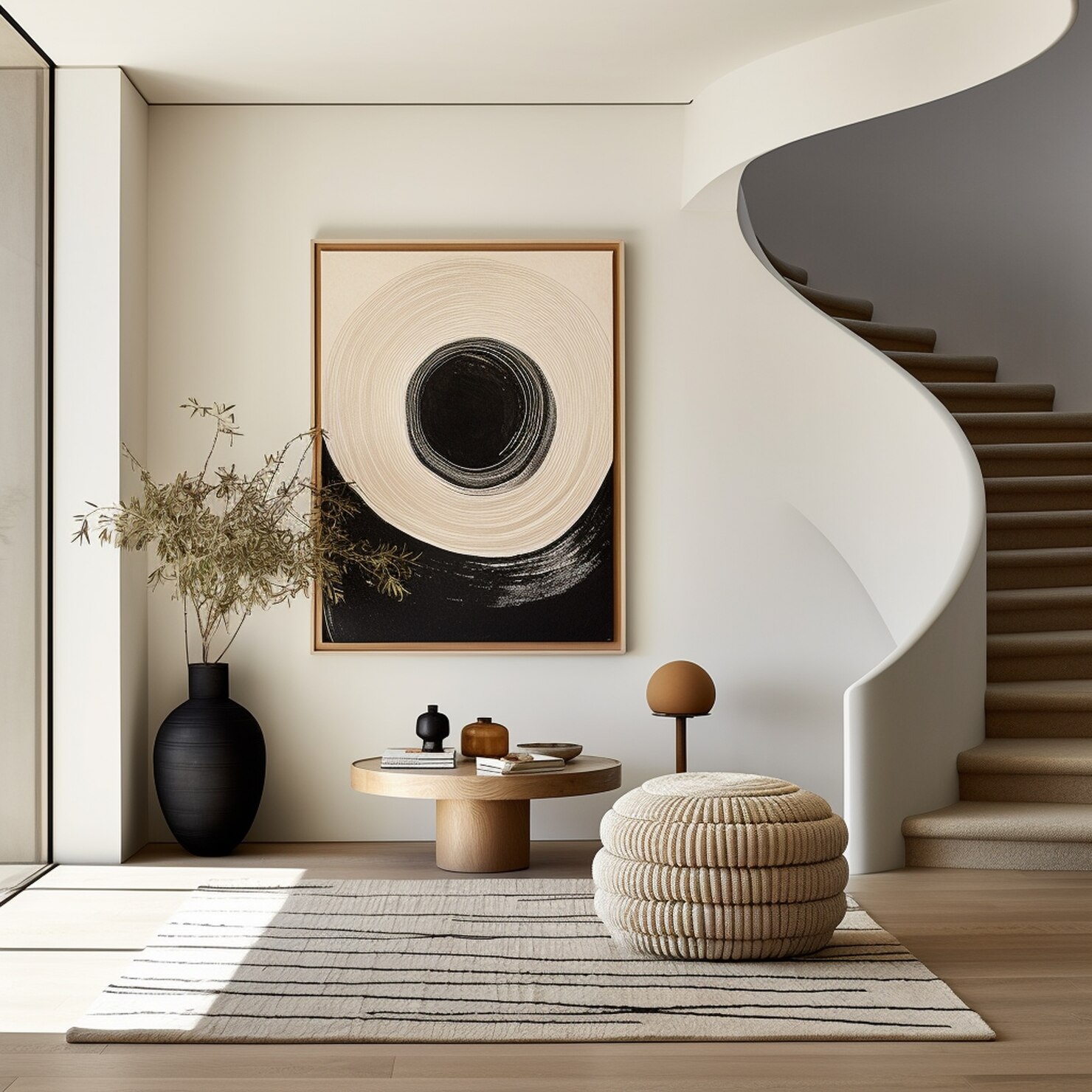
When designing a beautiful and functional space, furniture and wall colors are only part of the story. The true personality of a home or commercial space comes from the carefully selected decorative elements and accessories that complete the overall design. Whether it’s a stylish vase, elegant lighting, artwork, cushions, indoor plants, rugs, or decorative mirrors, these finishing touches transform an ordinary room into an extraordinary one.
A professional Interior designer understands how to balance colors, textures, proportions, and decorative accents to create spaces that are both visually appealing and practical. Every accessory serves a purpose—not only to beautify the space but also to enhance comfort, functionality, and the overall atmosphere.
Why Decorative Elements Matter in Interior Design
Decorative elements are often considered the finishing layer of interior design. While structural planning and furniture establish the foundation of a room, accessories bring warmth, personality, and character.
Without decorative elements, even the most expensive interiors can feel empty or incomplete. The right combination of décor creates harmony and gives every room its unique identity.
An experienced Interior designer carefully selects accessories based on the client’s lifestyle, preferences, and the intended use of the space. Instead of overcrowding a room, professionals focus on creating a balanced and elegant look.
Essential Decorative Elements for Modern Interiors
1. Wall Art and Paintings
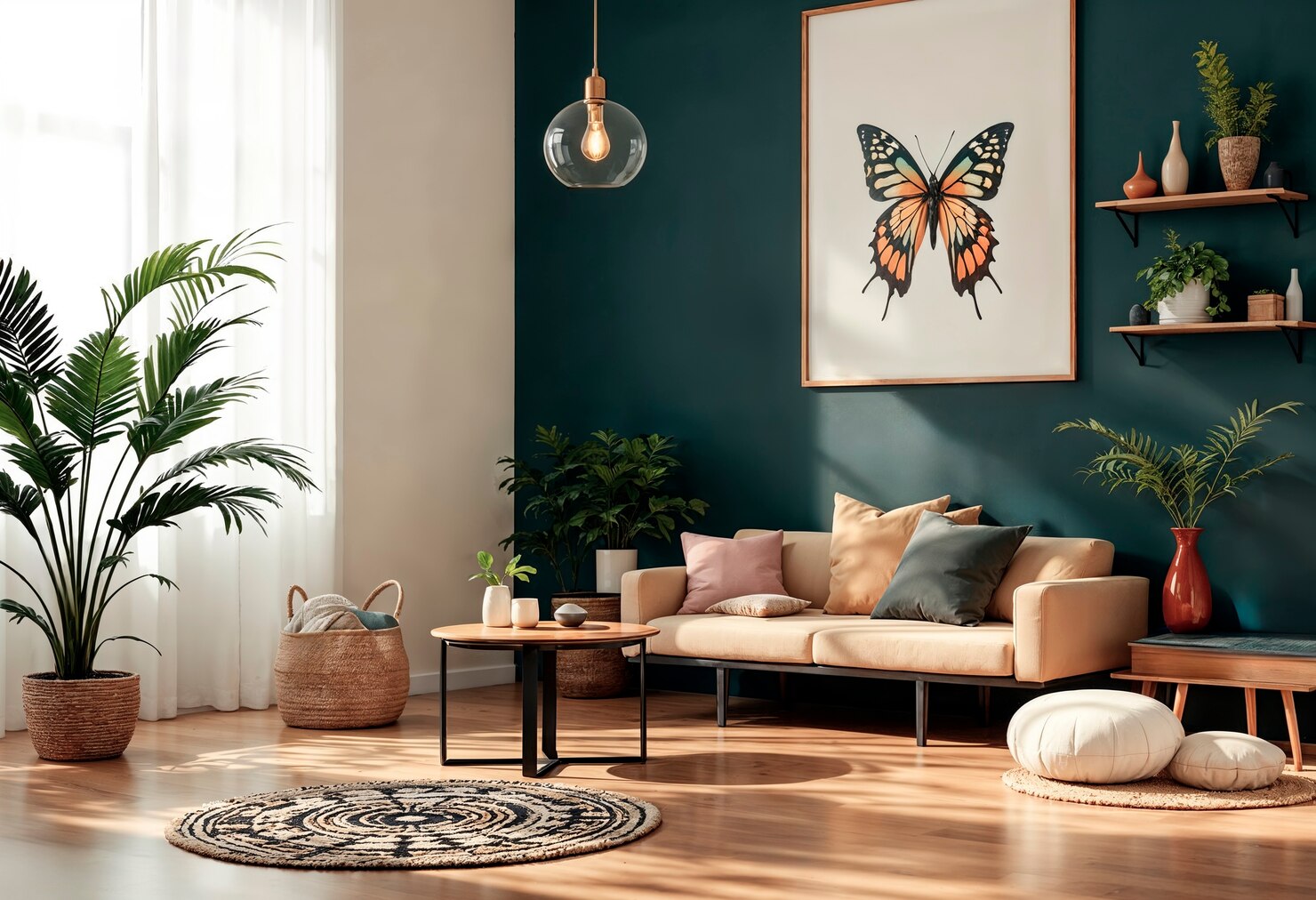
Artwork instantly enhances the appearance of any room. Paintings, framed photographs, canvas prints, and modern wall sculptures add depth and visual interest.
An Interior designer chooses artwork that complements the room’s color palette and overall theme. Large statement pieces work beautifully in living rooms, while smaller gallery walls create a personalized atmosphere.
2. Decorative Lighting
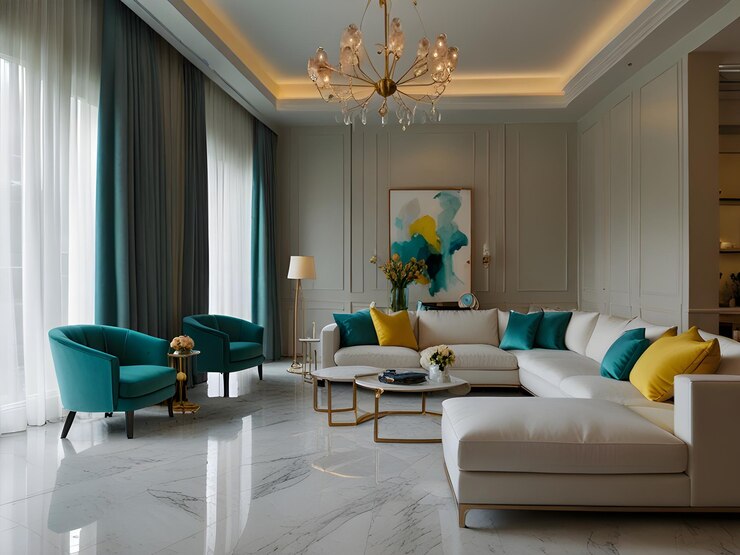
Lighting is both functional and decorative. Chandeliers, pendant lights, floor lamps, table lamps, and wall sconces influence the mood of a room while acting as attractive design elements.
Warm lighting creates a cozy environment, whereas brighter lighting is suitable for workspaces and kitchens. Layered lighting adds dimension and sophistication to any interior.
3. Rugs and Carpets
A well-chosen rug ties furniture together and adds texture, warmth, and comfort. Rugs also define different zones within open-plan layouts.
A professional Interior designer considers size, material, durability, and color before recommending the perfect rug for each room.
4. Cushions and Throws
Decorative cushions and soft throws are simple yet effective accessories that instantly refresh a room. They introduce color, patterns, and texture without requiring major renovations.
Seasonal cushion covers allow homeowners to update their interiors throughout the year while maintaining the same furniture.
5. Indoor Plants
Natural greenery brings freshness and life into interiors. Plants improve air quality while creating a calming and welcoming atmosphere.
Popular indoor plants include snake plants, peace lilies, pothos, fiddle leaf figs, and succulents. An Interior designer selects plants based on available sunlight, maintenance requirements, and room size.
6. Mirrors
Mirrors are excellent decorative elements because they reflect natural light and make smaller spaces appear larger.
Decorative mirrors with unique frames also become focal points in living rooms, hallways, bedrooms, and dining spaces.
7. Decorative Accessories
Accessories such as candles, sculptures, ceramic vases, trays, books, clocks, and decorative bowls complete the styling of shelves, coffee tables, and consoles.
The key is maintaining balance rather than filling every available surface.
8. Curtains and Window Treatments
Curtains influence both privacy and aesthetics. They soften interiors while controlling natural light.
An experienced Interior designer selects fabrics, patterns, and colors that complement the room’s design while ensuring functionality.
Decorative Elements for Different Rooms
Living Room
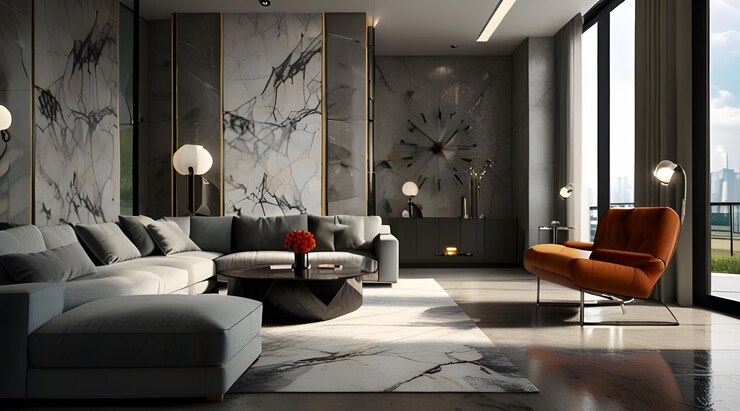
The living room benefits from statement lighting, artwork, elegant coffee table accessories, textured cushions, indoor plants, and decorative rugs. These elements create a welcoming environment for family and guests.
Bedroom
Bedrooms require calming decorative accessories such as soft bedding, bedside lamps, framed artwork, mirrors, and subtle decorative pieces that promote relaxation.
Dining Room
Dining spaces become more inviting with elegant centerpieces, pendant lighting, decorative crockery displays, and tasteful wall décor.
Home Office
Decorative shelves, motivational artwork, desk organizers, plants, and comfortable lighting improve productivity while maintaining a stylish appearance.
Commercial Spaces
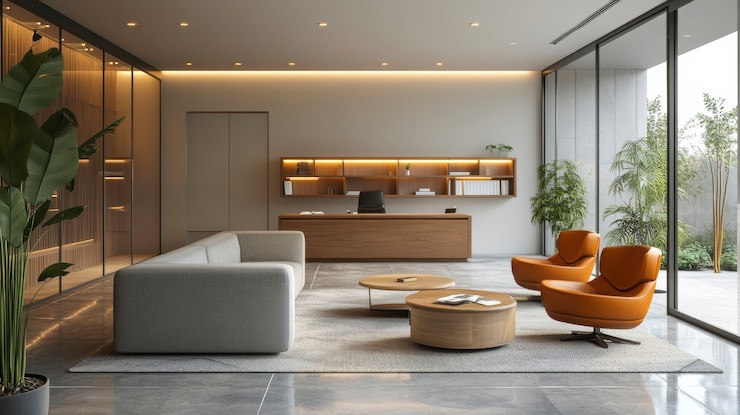
Restaurants, offices, retail stores, and hotels also benefit from carefully selected decorative accessories. A professional Interior designer ensures the décor aligns with the brand identity while creating a memorable customer experience.
Choosing the Right Decorative Style
Different interior styles require different decorative elements.
- Modern interiors emphasize minimal accessories with clean lines.
- Contemporary spaces combine simplicity with artistic statement pieces.
- Traditional interiors feature elegant wood finishes, classic artwork, and luxurious fabrics.
- Scandinavian design uses natural materials, neutral colors, and functional décor.
- Industrial interiors incorporate metal accents, exposed materials, and vintage accessories.
- Bohemian spaces embrace colorful textiles, handcrafted decorations, and layered textures.
A skilled Interior designer helps homeowners identify the style that best matches their personality and lifestyle.
Common Decorating Mistakes to Avoid
Many homeowners unintentionally reduce the visual appeal of their interiors by making common decorating mistakes.
These include using oversized accessories in small rooms, selecting décor that doesn’t match the furniture, ignoring proper lighting, overcrowding shelves, using too many colors, and forgetting to maintain visual balance.
An experienced Interior designer avoids these issues by carefully planning every decorative detail before installation.
How Decorative Accessories Improve Property Value
Well-designed interiors create a positive first impression and can significantly increase the perceived value of a property. Homes with professionally styled decorative elements often appear more luxurious, organized, and spacious.
Whether preparing a property for resale or upgrading a personal residence, investing in quality décor creates long-term value while enhancing everyday living.
The Role of an Interior Designer
Decorating is much more than purchasing attractive accessories. Every decorative item should contribute to the room’s overall harmony, functionality, and comfort.
A professional Interior designer evaluates room dimensions, lighting conditions, furniture placement, color schemes, and client preferences before recommending decorative elements. Their expertise ensures every accessory complements the overall design rather than competing for attention.
From selecting artwork and lighting to arranging accessories and styling shelves, an interior designer creates spaces that are elegant, practical, and timeless.
Conclusion
Decorative elements and accessories are the finishing touches that transform a simple space into an inviting and memorable environment. From rugs and mirrors to artwork, lighting, indoor plants, and decorative accents, every detail contributes to the beauty and functionality of a room.
Working with an experienced Interior designer ensures that every decorative element is thoughtfully selected and perfectly placed. Whether designing a modern home, luxury apartment, office, retail showroom, or hospitality space, the right accessories create interiors that reflect personality, comfort, and style while leaving a lasting impression.