Sofa and Furniture Selection: A Complete Guide from an Interior Designer
Choosing the right sofa and furniture is one of the most important decisions when designing a home or commercial space. Furniture is more than just a functional necessity—it reflects your personality, enhances comfort, and defines the overall style of your interiors. Whether you are furnishing a new home or renovating an existing one, making the right choices can significantly improve both aesthetics and functionality.
An Interior designer understands how furniture influences the flow, balance, and usability of a space. From selecting the perfect sofa to coordinating coffee tables, dining sets, storage units, and accent chairs, an Interior designer ensures every piece complements your lifestyle while maximizing available space.
Why Sofa and Furniture Selection Matters
Furniture is a long-term investment. Poor choices can make even a beautifully designed room feel cramped or uncomfortable, while carefully selected furniture creates harmony, improves movement, and increases the value of your interiors.
An experienced Interior designer evaluates several factors before recommending furniture, including room dimensions, natural lighting, color schemes, family size, daily activities, and future needs. This thoughtful planning helps homeowners avoid costly mistakes and achieve a timeless look.
Start with the Right Sofa
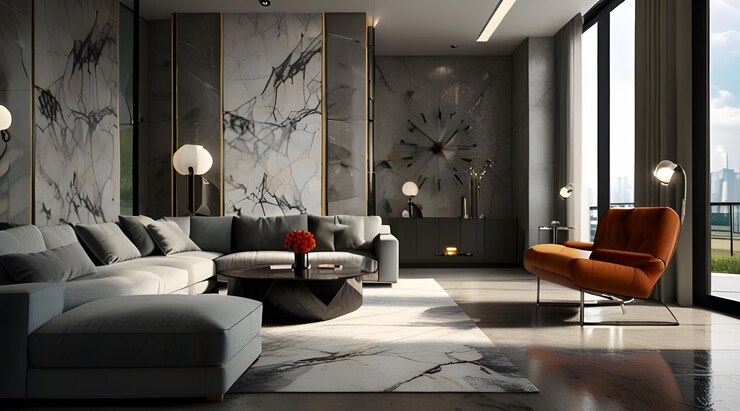
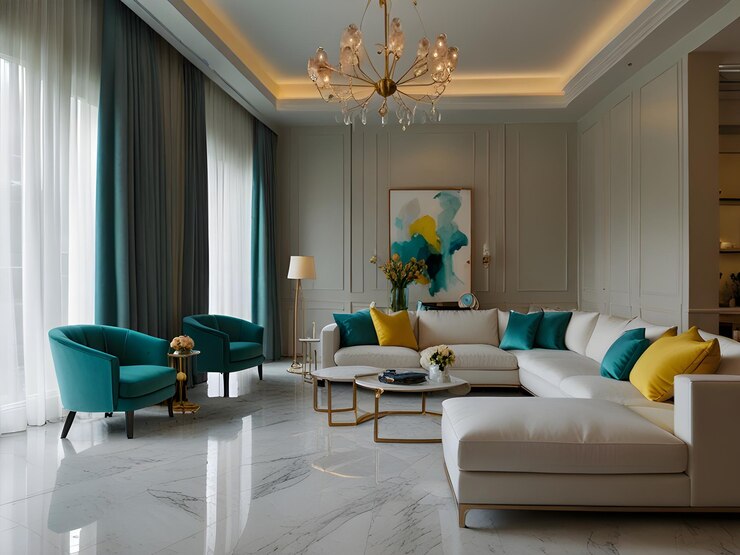
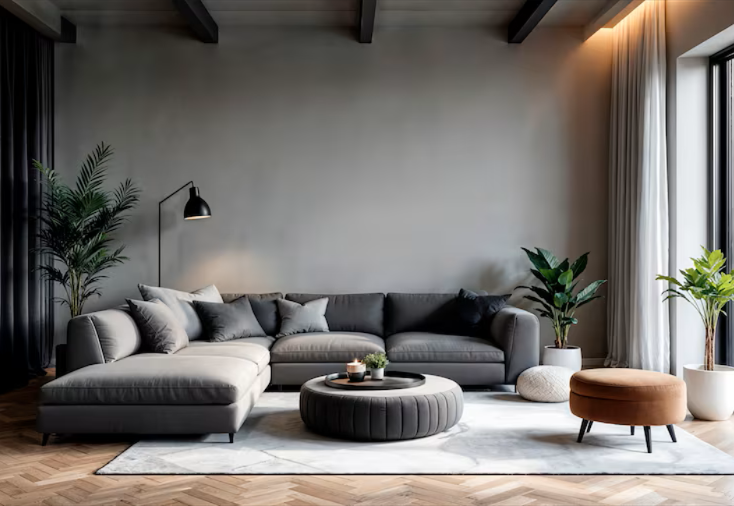
The sofa is often the centerpiece of the living room. Since it is one of the most frequently used furniture pieces, selecting the right one requires careful consideration.
Choose the Correct Size
Measure your living room before purchasing a sofa. A sofa that is too large can overwhelm the room, while one that is too small may look out of place. An Interior designer creates accurate furniture layouts to ensure every piece fits perfectly.
Select Comfortable Materials
Comfort should always come first. Popular upholstery materials include:
- Fabric for everyday comfort
- Leather for luxury and durability
- Velvet for elegant interiors
- Linen for a natural appearance
Your Interior designer can recommend materials based on your lifestyle, maintenance preferences, and budget.
Match Your Interior Style
The sofa should blend with the overall design theme. Some popular styles include:
- Modern minimalist
- Contemporary
- Scandinavian
- Traditional
- Industrial
- Luxury interiors
An Interior designer ensures the sofa becomes an attractive focal point without overpowering the room.
Select Functional Furniture
Every furniture piece should serve a purpose. Instead of filling a room with unnecessary items, focus on furniture that adds both functionality and beauty.
Examples include:
- Coffee tables with storage
- TV units with cabinets
- Modular bookshelves
- Nesting tables
- Multi-purpose ottomans
- Foldable furniture for compact homes
An Interior designer carefully selects furniture that maximizes storage while maintaining a clean and organized appearance.
Consider Room Size and Layout
Different rooms require different furniture arrangements.
Living Room
Choose seating that encourages conversation and provides easy movement. The sofa, coffee table, and TV unit should maintain comfortable spacing.
Dining Room
Select a dining table according to family size. Leave enough walking space around chairs for convenience.
Bedroom
Prioritize comfortable beds, wardrobes, bedside tables, and dressing units that provide adequate storage without making the room feel crowded.
Home Office
An ergonomic desk and supportive chair improve productivity and reduce physical strain.
An experienced Interior designer plans every furniture arrangement to create balance and functionality.
Choose Durable Materials
Furniture quality directly impacts its lifespan.
Popular material choices include:
- Solid wood
- Engineered wood
- Metal
- Glass
- Marble
- Rattan
Each material offers different advantages depending on usage and maintenance. An Interior designer helps you balance durability, appearance, and budget.
Pay Attention to Color Coordination
Furniture colors should complement your walls, flooring, curtains, rugs, and decorative accessories.
Neutral colors such as beige, grey, cream, and white create timeless interiors, while bold colors like navy blue, emerald green, mustard yellow, or terracotta add personality.
An Interior designer often uses accent furniture to introduce color without overwhelming the room.
Comfort Should Never Be Ignored
Beautiful furniture is only successful when it is comfortable.
Before purchasing:
- Test seat depth
- Check back support
- Evaluate cushion firmness
- Verify armrest height
- Assess overall ergonomics
An Interior designer balances comfort with aesthetics to create inviting spaces for everyday living.
Storage Solutions That Enhance Interiors
Modern homes require smart storage.
Consider furniture with built-in storage such as:
- Storage beds
- Lift-top coffee tables
- Sideboards
- Storage benches
- Modular wardrobes
- Floating cabinets
An Interior designer integrates these solutions seamlessly into the design without compromising style.
Lighting and Furniture Placement
Lighting dramatically affects how furniture appears.
Natural light highlights textures and colors, while artificial lighting creates mood and enhances focal points.
Proper placement ensures:
- Comfortable walking paths
- Balanced visual weight
- Functional seating arrangements
- Better room proportions
An Interior designer carefully positions furniture to make the most of available lighting.
Budget Planning for Furniture
Setting a realistic budget helps prioritize essential furniture before decorative pieces.
Invest more in:
- Sofas
- Beds
- Dining tables
- Wardrobes
Spend moderately on:
- Side tables
- Accent chairs
- Decorative shelves
- Accessories
Working with an Interior designer prevents unnecessary purchases and ensures better value for your investment.
Sustainable Furniture Choices
Many homeowners now prefer environmentally friendly furniture made from:
- Reclaimed wood
- Bamboo
- Recycled materials
- FSC-certified timber
- Low-VOC finishes
An Interior designer can recommend sustainable options that are stylish, durable, and environmentally responsible.
Common Furniture Selection Mistakes
Avoid these common errors:
- Buying furniture before measuring the room
- Ignoring walking space
- Choosing style over comfort
- Mixing too many design styles
- Purchasing low-quality materials
- Ignoring maintenance requirements
- Overcrowding rooms
An experienced Interior designer helps prevent these costly mistakes through careful planning.
Why Hire an Interior Designer?
Furniture shopping may seem straightforward, but achieving a cohesive and functional interior requires professional expertise.
An Interior designer helps you:
- Create efficient layouts
- Select furniture that fits perfectly
- Coordinate colors and materials
- Maximize storage
- Stay within budget
- Improve functionality
- Achieve a timeless interior style
Professional guidance ensures every furniture piece contributes to a beautiful and comfortable living environment.
Final Thoughts
The right sofa and furniture can completely transform your home. Every selection should balance comfort, quality, style, and functionality while reflecting your personal taste. Investing time in thoughtful planning helps create interiors that remain elegant and practical for years.
Whether you are furnishing a compact apartment, a spacious villa, or a commercial office, partnering with an Interior designer ensures every furniture decision adds value to your space. From selecting the ideal sofa to planning complete furniture layouts, an Interior designer turns ordinary rooms into beautiful, functional environments tailored to your lifestyle.