Lighting for Functionality and Aesthetics
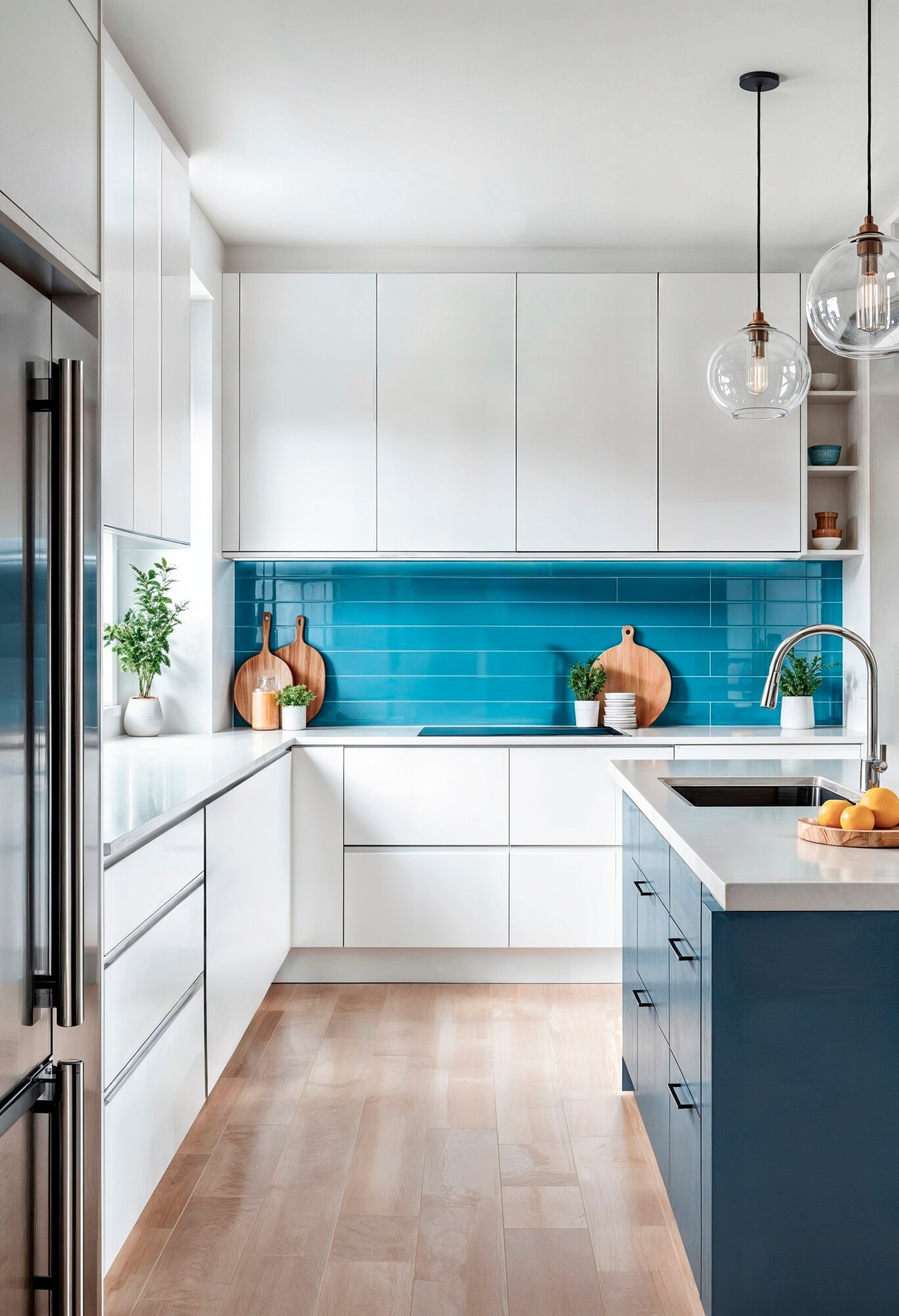
Lighting is one of the most important elements in interior design, yet it is often overlooked until the final stages of a project. The right lighting does more than simply illuminate a room—it enhances functionality, creates ambiance, highlights architectural details, and influences the overall mood of a space. Lighting for functionality and aesthetics is about finding the perfect balance between practical illumination and visually appealing design.
Whether it’s a residential home, office, retail store, hotel, or restaurant, thoughtful lighting design can completely transform the environment while improving comfort and efficiency.
Why Lighting Matters in Interior Design
Lighting affects how people experience a space. It influences productivity, relaxation, safety, and even emotions. Poor lighting can make an expensive interior look dull, while well-planned lighting can make a simple space appear luxurious and inviting.
When designers focus on Lighting for functionality and aesthetics, they ensure that every area receives appropriate illumination while enhancing the beauty of the interiors.
Good lighting also improves visibility, reduces eye strain, and supports daily activities, making it an essential aspect of modern architecture and interior planning.
Understanding Functional Lighting
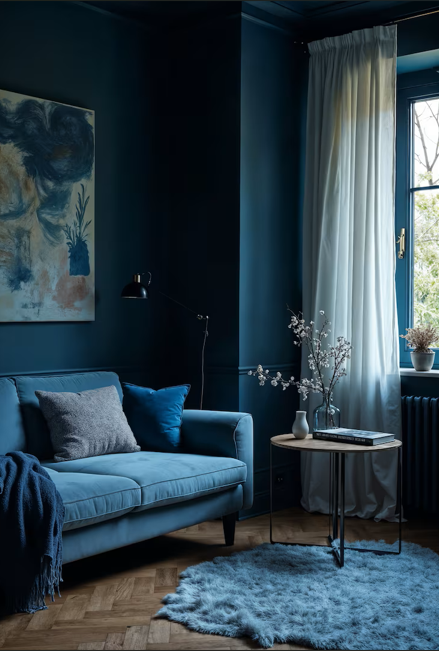
Functional lighting, also known as task lighting, is designed to support specific activities such as reading, cooking, working, or grooming. It provides adequate brightness exactly where it is needed.
Examples include:
- Desk lamps for office work
- Under-cabinet lights in kitchens
- Vanity lights in bathrooms
- Reading lamps beside beds
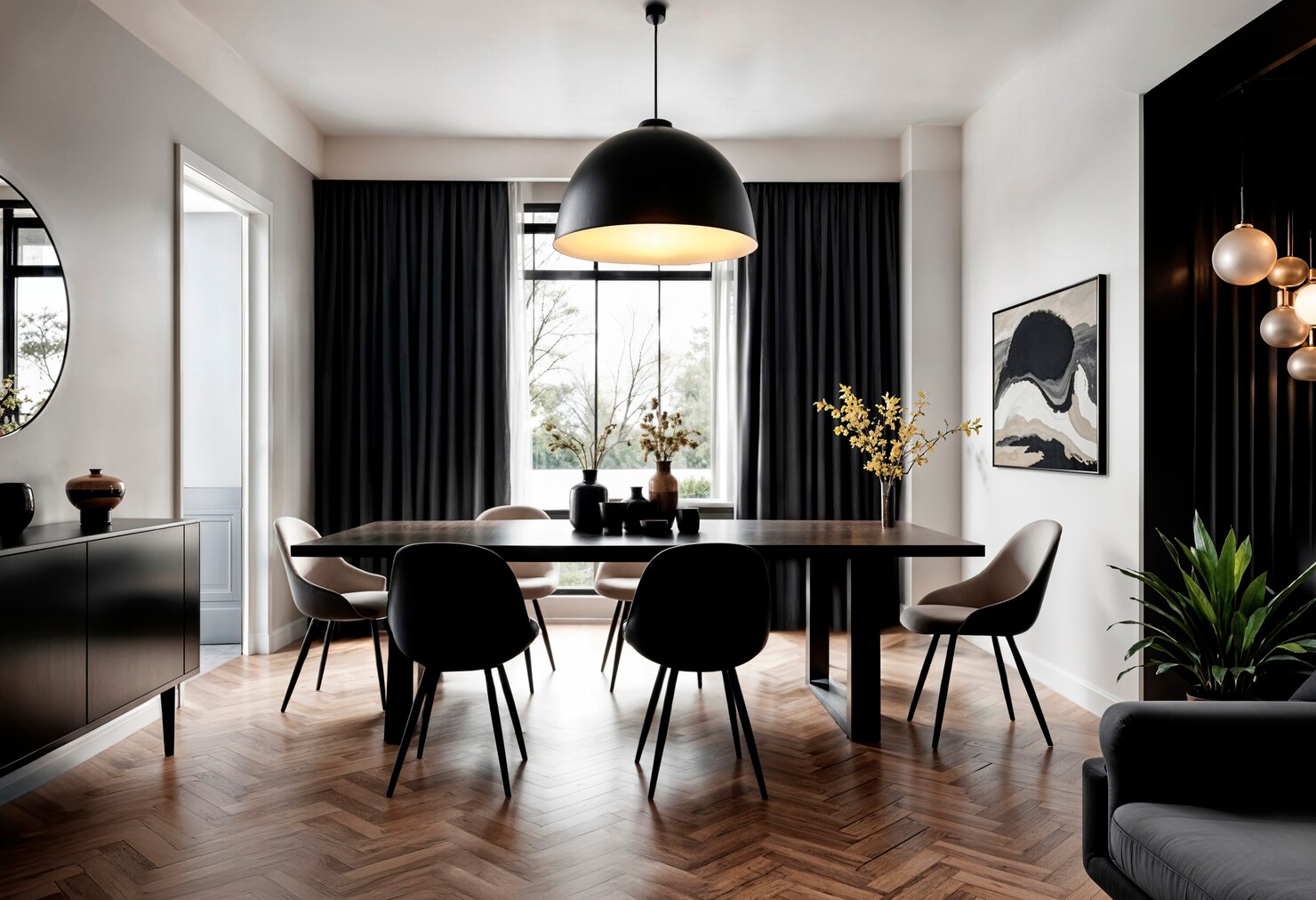
- Pendant lights above dining tables
Proper task lighting increases productivity and minimizes shadows, creating comfortable environments for everyday use.
When planning Lighting for functionality and aesthetics, designers carefully position these lights to maximize usability without compromising the overall design.
The Importance of Aesthetic Lighting
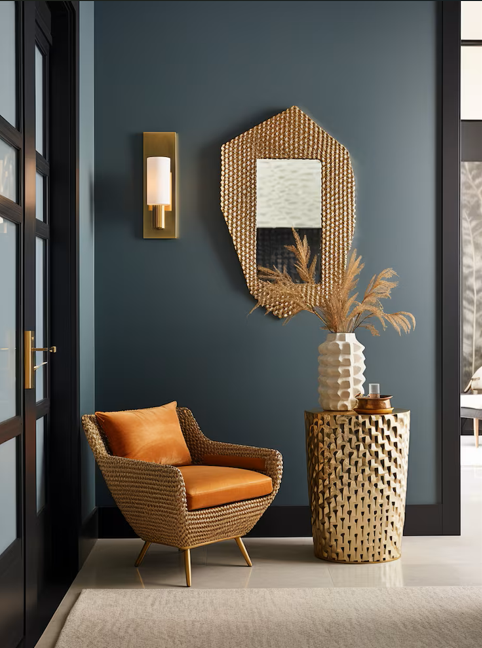
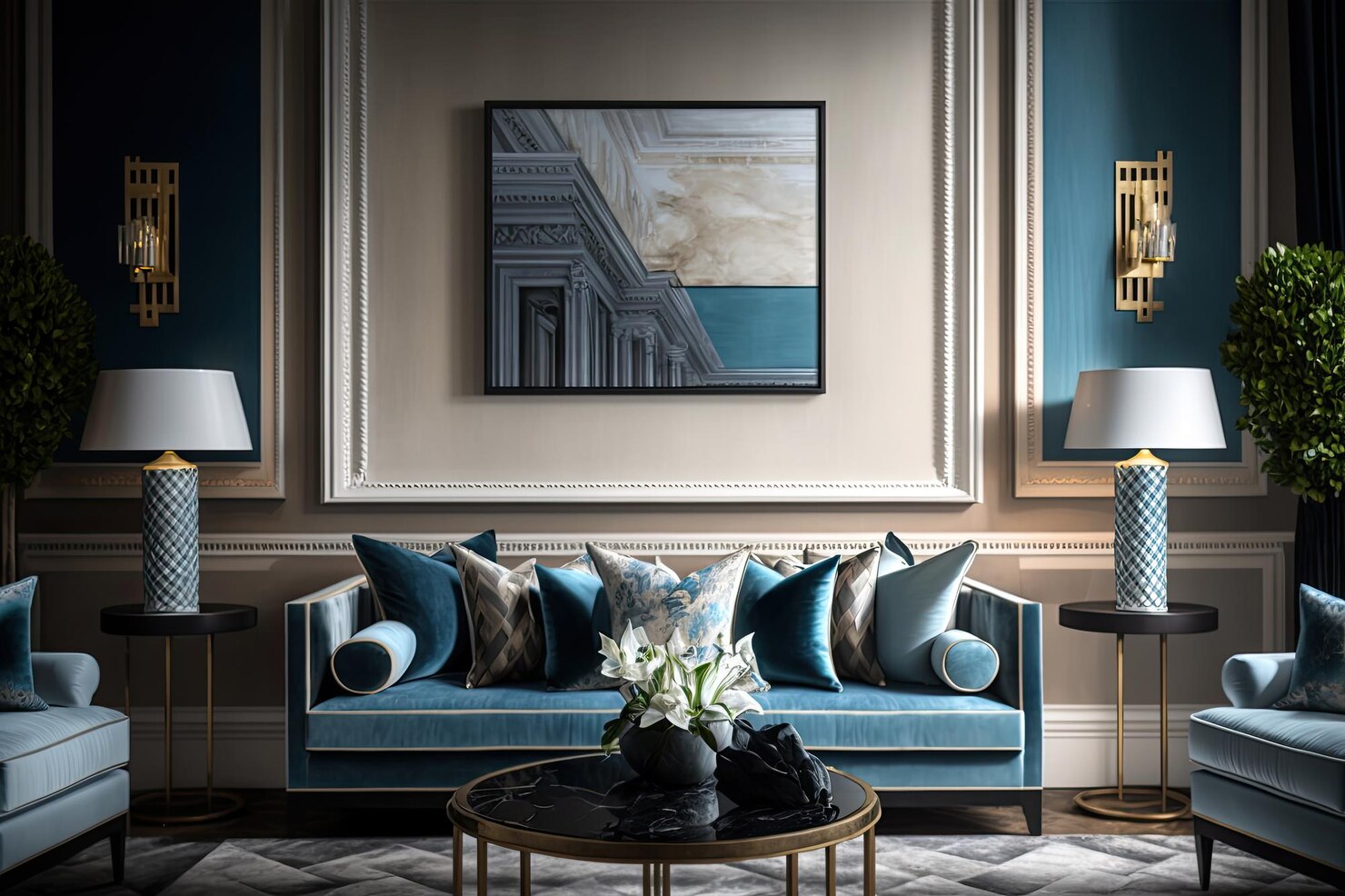
Aesthetic lighting focuses on creating atmosphere and enhancing visual appeal. Decorative fixtures such as chandeliers, pendant lights, wall sconces, and designer floor lamps become statement pieces that contribute to the overall style of the interior.
Aesthetic lighting can:
- Highlight architectural features
- Create focal points
- Add warmth and character
- Improve visual depth
- Enhance luxury and sophistication
Layering decorative lighting with functional lighting creates balanced interiors that are both practical and elegant.
Layered Lighting: The Perfect Balance
The secret behind successful Lighting for functionality and aesthetics lies in layered lighting design. Professionals typically combine three types of lighting:
1. Ambient Lighting
Ambient lighting provides general illumination for the entire room. Ceiling fixtures, recessed lights, and cove lighting are common examples.
Its purpose is to provide comfortable visibility while creating a welcoming atmosphere.
2. Task Lighting
Task lighting focuses on specific activities that require additional brightness.
Examples include:
- Kitchen countertop lights
- Office desk lamps
- Study table lights
- Bathroom mirror lights
These lights improve precision and reduce eye fatigue.
3. Accent Lighting
Accent lighting draws attention to artwork, plants, textured walls, sculptures, or architectural details.
Spotlights, LED strips, and wall washers are commonly used for this purpose.
Combining these three layers results in spaces that are visually dynamic and highly functional.
Choosing the Right Colour Temperature
Colour temperature significantly impacts the atmosphere of a room.
- 2700K–3000K (Warm White): Cosy bedrooms, living rooms, restaurants
- 3500K–4000K (Neutral White): Offices, kitchens, retail stores
- 5000K–6500K (Cool White): Hospitals, workshops, commercial environments
Selecting the appropriate colour temperature is essential for achieving effective Lighting for functionality and aesthetics while supporting the intended purpose of the space.
Natural Light and Artificial Light Integration
Natural daylight improves mood, saves energy, and creates healthier environments. Modern interior designers maximize daylight through:
- Large windows
- Skylights
- Glass partitions
- Open floor plans
- Reflective interior surfaces
Artificial lighting should complement daylight rather than compete with it.
Smart lighting controls and dimmers allow seamless transitions from daytime brightness to evening ambiance, making spaces adaptable throughout the day.
Energy-Efficient Lighting Solutions
Sustainability has become a priority in modern construction and interior design.
LED lighting has become the preferred choice because it offers:
- Lower energy consumption
- Longer lifespan
- Reduced maintenance costs
- Better brightness control
- Minimal heat generation
Smart lighting systems with occupancy sensors and programmable schedules further improve energy efficiency while maintaining excellent interior aesthetics.
Integrating sustainable technology into Lighting for functionality and aesthetics helps reduce environmental impact without sacrificing design quality.
Lighting Design for Different Spaces
Living Rooms
Use layered lighting with ceiling fixtures, floor lamps, and accent lighting to create a warm and inviting atmosphere suitable for relaxation and entertainment.
Bedrooms
Soft ambient lighting combined with bedside reading lamps creates a comfortable environment while maintaining functionality.
Kitchens
Bright task lighting over countertops and islands improves safety and efficiency while pendant lighting adds decorative appeal.
Bathrooms
Mirror lighting should eliminate shadows, while ambient ceiling lighting provides overall illumination.
Offices
Balanced task and ambient lighting reduces eye strain and improves employee productivity.
Retail Stores
Accent lighting highlights products while ambient lighting ensures customer comfort throughout the shopping experience.
The Role of Smart Lighting Technology
Smart home technology has revolutionized modern lighting systems.
Features include:
- Voice-controlled lighting
- Mobile app control
- Automated scheduling
- Motion sensors
- Brightness adjustment
- Colour-changing LEDs
These innovations allow users to customize lighting according to different activities and moods while improving energy management.
Smart technology enhances Lighting for functionality and aesthetics by providing flexibility and convenience for modern lifestyles.
Common Lighting Design Mistakes
Many interiors suffer from lighting problems due to poor planning.
Common mistakes include:
- Using only one ceiling light
- Ignoring task lighting
- Choosing incorrect color temperatures
- Excessive brightness causing glare
- Uneven illumination
- Lack of dimmer controls
Professional lighting planning helps avoid these issues while creating comfortable and visually appealing interiors.
Conclusion
Lighting for functionality and aesthetics is the foundation of successful interior design. It combines practical illumination with artistic expression to create environments that are comfortable, efficient, and visually stunning. By layering ambient, task, and accent lighting, selecting appropriate colour temperatures, incorporating natural daylight, and embracing energy-efficient technologies, designers can transform ordinary spaces into extraordinary experiences.
Whether designing a home, office, hotel, or commercial establishment, investing in thoughtful lighting design enhances both usability and beauty, ensuring spaces remain functional while leaving a lasting visual impression.